Untether the fuel nozzle: What India's oil & gas sector needs from Modi 3.0
When Narendra Modi took office as Prime Minister in 2014, he set clear goals for the oil and gas sector, leading to significant achievements over the past decade. His administration's strong policy support and close oversight have ensured nearly universal access to cooking gas, expansion of petrol pumps and gas distributors, growth in natural gas pipelines and LNG import capacity, an increase in ethanol blending, and a reduction in fuel subsidies.

Households' access to cooking gas has since become nearly universal.
Network of petrol pumps has expanded by about three-fourths, and cooking gas distributors by about 80%. Natural gas pipelines have grown by half, and LNG import facilities more than doubled in capacity.
Average ethanol blending in petrol has gone beyond 12% from 1.5% a decade ago. Fuel subsidies have shrunk, and state oil firms' finances look strong - both strengthening GoI's balance sheet.
While access to fuels has risen, consumer affordability is lower than a decade earlier due to a decline in subsidies, increase in taxes and higher margins of oil companies.
In Delhi, petrol is a third more expensive than it was in June 2014.
Diesel is 50% dearer.
Most cooking gas consumers no longer receive subsidies and end up paying double the price they did in 2014.
Despite the PM's call in 2015 to cut oil and gas import dependence by a tenth by 2022, it has risen in a decade to 88% from 77% in oil, and to 46% from 29% in gas. Domestic production has dropped by about a fifth for crude oil and risen barely 3% for natural gas in a decade.
Meanwhile, consumption of refined products has increased by about half and that of natural gas by about a third.
Foreign investors have shown little interest in the Indian exploration sector despite policy reforms.
Set in the first term of the government, the goal of increasing the share of natural gas in the energy mix to 15% by 2030 from 6% hasn't gotten nearer.
The share is below 7%. The plan to build a $44 bn refinery with Saudi Aramco hasn't happened.
And the jury is still out on the benefits of building a mega state oil company by getting ONGC to acquire HPCL.
GoI's determination to build a competitive fuel retail market suffered a setback in the early days of the Ukraine war as the goal of providing affordable fuels powered the instinct to keep a tight control on domestic prices.
GoI has since shown little sign of loosening its grip.
Failure to find a buyer for state refiner BPCL further diminished the chances of a larger role for the private sector.
Now in its third term, the BJP-led NDA government should focus on the following: Curb demand Officials often interpret rising domestic oil demand as a recognition that the economy is being managed well.
Expanding economies need energy, not necessarily oil whose heavy import makes our economy vulnerable to global market shocks and geopolitics.
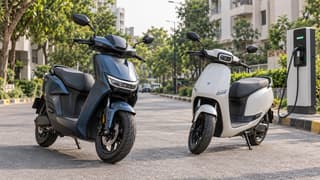
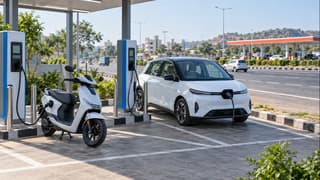
The country needs massive investments in electrified public transport, and big incentives for faster adoption of EVs. China's roaring success - 38% of new cars sold were electric in 2023, up from a mere 5% in 2018 - shows how quickly consumers can shift to EVs. Cut exploration uncertainty Reform laws or licensing contracts to assure explorers that their return from a project will not be affected by future government action.
This is essential to draw in investors scared by retrospective and windfall taxes.
Reform gas sector Include natural gas in GST, unbundle carriage and content, and end marketing exclusivity of city gas distributors where it's due. Rules for energy emergency Bring in practical rules to deal with special situations, such as the one witnessed in the early days of the Ukraine war when global supply became difficult and prices skyrocketed.
End price control Wars are still raging, but the energy market has stabilised.
A genuinely competitive market would serve people better than the ones dependent on the state.
Stop vacillating on SPRs Allocate funds to help build new strategic petroleum reserves (SPRs) and to fill them up, as it's important for managing short-term supply problems.
sanjeev.
choudhary@timesofindia.
com
Share this
Was this helpful?
Thanks for your feedback!