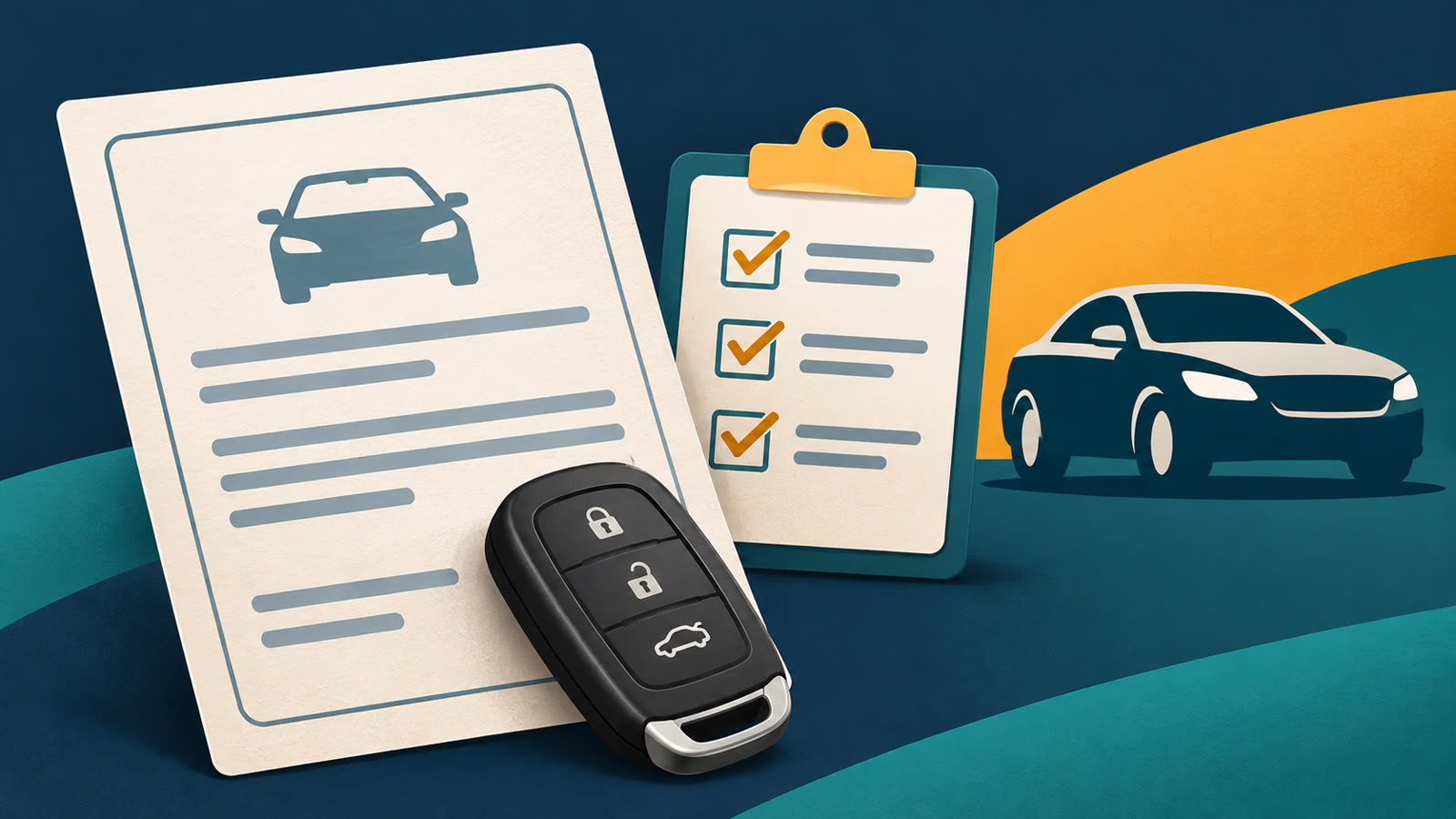
Bima Sugam is designed as a digital insurance marketplace where vehicle owners can compare, buy, renew and service motor insurance across insurers. For an Indian car or two-wheeler owner, the useful skill is not chasing a lower-looking quote; it is checking whether the same cover, limits, exclusions and dates are being compared.
This guide explains the confirmed design, what current rollout reports mean as of November 2026, and how to read a motor-insurance quote when the new four-layer format is introduced.
Key takeaways
- IRDAI's Bima Sugam regulations dated 20 Mar 2024 define a digital marketplace for policy purchase, servicing, claims settlement and grievance redressal.
- The regulations say consumers are not to be charged for marketplace services; this does not mean the insurance premium will be zero or automatically lower.
- Moneycontrol reported motor-insurer trials on 13 Aug 2026, while ET Now reported on 23 Nov 2026 that motor insurance could lead the wider rollout. These are reports, not a guarantee that every insurer or feature is available.
- IRDAI's four-layer circular takes effect for policies issued from 15 Dec 2026 and requires a section-wise schedule, option form and Customer Information Sheet.
- Compare like for like: third-party liability, owner-driver personal accident, occupant or pillion cover, own damage, IDV, deductibles, add-ons, exclusions and policy dates.
What Bima Sugam is — and what it is not
The official Gazette notified the Insurance Regulatory and Development Authority of India (Bima Sugam - Insurance Electronic Marketplace) Regulations, 2024 on 20 Mar 2024. They describe Bima Sugam as digital public infrastructure with interoperable services that can facilitate purchase, sale and servicing of policies, settlement of claims and grievance redressal.
- It is a comparison and service framework: insurers and other permitted insurance stakeholders can participate through common infrastructure.
- It is not a guaranteed discount: the official framework does not promise that every motor policy will cost less than a quote obtained elsewhere.
- It is not a claim guarantee: the insurer named in the policy remains responsible for the policy's cover and claim decision. The regulations require policy services, claim settlement and grievance redressal to be available through the marketplace, but do not promise a particular outcome or turnaround time.
- It is designed around consent: the regulations call for consent-based services and security and privacy standards when data providers are connected.
A quote can look cheaper because it excludes own-damage cover, uses a lower IDV, applies a higher deductible or leaves out an add-on. Price becomes meaningful only after the cover is aligned.
What is confirmed and what is still rollout reporting
The official 2024 regulations establish the marketplace framework. Moneycontrol reported on 13 Aug 2026 that motor insurers had begun trials covering product onboarding, quote generation, data exchange and policy issuance. ET Now reported on 23 Nov 2026 that Bima Sugam was likely to go live that week with motor insurance products first and that insurers could pay a platform fee under the proposed model.
The careful reading is that the design is confirmed, while the day-one insurer list, product availability and user journey should be checked on the live official service. Reports discuss lower acquisition costs as a possibility, not a promised saving. For the current news context, see the FuelPrice report on the reported Bima Sugam motor-insurance rollout.
Marketplace comparison: what to check
The table separates the intended marketplace function from the dates that matter. It is a comparison aid, not a promise that every feature is already live for every insurer.
| Question | What a driver must compare | What the Bima Sugam design adds | Source date or status |
|---|---|---|---|
| Where are quotes compared? | Vehicle details, selected covers, IDV, deductibles and exclusions must match before prices are compared. | A common digital marketplace is intended to make insurer products easier to view and compare. | Regulations notified 20 Mar 2024; motor rollout reported in 2026. |
| Can a policy be bought or renewed? | Check the insurer, policy period, start time, expiry and payment receipt. | Purchase and servicing are marketplace functions; availability depends on the live rollout. | Regulations 20 Mar 2024; ET Now report 23 Nov 2026. |
| Who handles claims and complaints? | Read the insurer's claim process, exclusions, survey requirements and grievance route. | Insurers are required to provide policy services, claim settlement and grievance redressal on the marketplace. | Regulations 20 Mar 2024. |
| Is there a consumer marketplace fee? | Read the total payable amount, taxes, deductibles and disclosed charges. | The regulations state that consumers are not charged for marketplace services; this is different from the insurance premium. | Regulations 20 Mar 2024. |
| Will cover be shown separately? | Do not compare a bare third-party quote with a package quote. | From 15 Dec 2026, the four-layer structure requires section-wise cover and premium information, an option form and a Customer Information Sheet. | IRDAI circular 2 Nov 2026; effective 15 Dec 2026. |
How the four motor-insurance layers affect your comparison
IRDAI's Circular IRDAI/CIR/MOT/10/2026 applies to private cars and two-wheelers. From 15 Dec 2026, policies issued for this category are to follow the four-layer structure and be integrated with Bima Sugam. The structure is standardised, but it does not fix one premium for every vehicle or insurer.
- Section I — third-party liability: mandatory liability cover for injury, death or property damage caused to a third party, subject to the policy and applicable law.
- Section II — legal liability to occupants or pillion riders: optional cover for eligible occupants, pillion riders and employees as described in the standard wording.
- Section III — personal accident: the circular separates the mandatory owner-insured component from optional personal-accident cover for occupants, pillion riders or another driver, subject to the wording.
- Section IV — own damage: optional cover for loss of or damage to the insured vehicle under the selected terms, exclusions, deductible and IDV.
The schedule is expected to show the actual coverage and premium for each section. The completed option form becomes part of the policy, so selections should match the final schedule. The separate FuelPrice guide to the four motor-insurance cover layers gives the structure more room; this guide focuses on comparing it through a digital marketplace.
A repeatable quote-comparison workflow
1. Prepare the vehicle and policy details
- Keep registration certificate details, vehicle variant, registration year, fuel type, declared use and financing or hypothecation information ready.
- Keep the current policy schedule, expiry date, claim history, no-claim bonus details and current IDV available.
- Record whether the vehicle is a private car or two-wheeler; the four-layer circular discussed here is for those categories.
2. Make the cover identical before comparing price
- Match third-party and own-damage periods, IDV, deductibles and financing requirements.
- List add-ons such as zero depreciation, roadside assistance, engine protection or return-to-invoice cover separately, and read their exclusions.
- For a bike, check pillion wording; for a car, check occupant liability and the treatment of drivers where relevant.
3. Read the four lines and the dates
Check that the option form, Customer Information Sheet and policy schedule agree. The start date and time, expiry date, registration number, vehicle identifiers, owner details and issuing insurer should be consistent. Digital issuance does not prevent a policy from carrying a wrong field.
4. Check the claim and grievance path
Note the insurer's claim-intimation channel, inspection requirements, cashless repair conditions, depreciation rules and exclusions. Bima Sugam is intended to surface servicing, claims and grievance functions, but the policy wording and insurer process remain decisive.
5. Save the complete record
Keep the option form, Customer Information Sheet, policy schedule, certificate, payment receipt and inspection photographs together. After renewal, verify the policy number and dates rather than relying only on an SMS. For a broader travel-document check before a long drive, use the FuelPrice road-trip planner alongside valid policy records.
Worked rupee example: why like-for-like matters
This is an illustrative calculation, not a market quote or recommendation. Assume a hypothetical policy schedule displays these payable amounts for one private vehicle:
- Section I third-party liability: ₹3,000
- Section II occupant liability: ₹500
- Section III owner-insured personal accident: ₹1,000
- Section IV own damage: ₹7,000
The displayed total is ₹3,000 + ₹500 + ₹1,000 + ₹7,000 = ₹11,500. If a second quote shows ₹4,000, it cannot be called cheaper without checking which sections, IDV, deductibles, taxes, add-ons and policy periods are included. In this illustration, the first two mandatory-looking lines total ₹4,000 and the optional lines total ₹7,500; actual premiums vary by vehicle, location, insurer, risk factors and selected cover.
For fuel and travel budgeting after the insurance comparison, the FuelPrice fuel-cost calculator can keep recurring running costs separate from the annual insurance total.
Privacy, payment and fraud checks
- Start from the verified official marketplace or insurer address and check the domain before entering vehicle or identity details.
- Do not share an OTP, password, card PIN or remote-access permission with a caller claiming to complete a policy or claim.
- Check the consent screen before data is fetched from a government or vehicle-data provider; the reason should be clear and relevant.
- Download the final schedule and receipt from the authenticated account. Confirm the payment status, insurer name, policy number and dates.
- Keep screenshots only as a backup; the issued policy, schedule and Customer Information Sheet are the documents to read.
What to check or do before paying
- Write down the policy expiry and the exact date on which the new cover is meant to start.
- Identify the issuing insurer and confirm the quote is for the correct registration number and vehicle variant.
- Match the four cover sections, IDV, deductibles, add-ons and policy period across all quotes.
- Read exclusions, depreciation treatment, claim-intimation window and cashless or reimbursement conditions.
- Confirm the owner-driver personal-accident details and any occupant or pillion selections.
- Check separate premium lines, total payable amount and disclosed taxes or charges before payment.
- Download the option form, Customer Information Sheet, policy schedule, certificate and receipt after issuance.
- If the platform does not show the expected insurer or service, verify availability directly with the insurer or an authorised channel instead of assuming a reported rollout is complete.
Frequently asked questions
Is Bima Sugam an insurance company?
No. The official framework describes it as an electronic marketplace and digital public infrastructure. The insurer named in the policy remains responsible for its product wording, exclusions and claim obligations.
Will Bima Sugam make car insurance cheaper?
There is no universal price guarantee. The regulations say consumers are not charged for marketplace services, while rollout reports discuss lower distribution costs as a possibility. Compare the final cover and total payable amount.
What are the four motor-insurance layers from 15 Dec 2026?
They are third-party liability, legal liability to occupants or pillion riders, personal-accident cover and own-damage cover. The circular separates mandatory and optional components and requires the schedule and option form to show selected protection.
Can an existing policy add occupant or pillion cover?
The circular says Section II may be added during the policy term for an additional premium from the insurer that issued the third-party policy. The risk begins at the date and time in the endorsement, and the existing third-party policy need not be cancelled.
Should a policyholder wait for Bima Sugam before renewing?
Availability and insurer participation can change during a phased rollout. Check the official service and current insurer channel against the policy expiry date, and do not treat a news report as proof that a particular renewal feature is live.
Sources
- Gazette of India, “IRDAI (Bima Sugam - Insurance Electronic Marketplace) Regulations, 2024,” 20 Mar 2024.
- Moneycontrol, “Bima Sugam trial run begins for motor insurers,” 13 Aug 2026.
- ET Now, “Bima Sugam set to go live this week; Zero-commission motor insurance sales to lead rollout,” 23 Nov 2026.
- IRDAI, “Four Layer Structure - Motor Insurance Policy,” Circular IRDAI/CIR/MOT/10/2026, 2 Nov 2026 (PDF mirror).
- Business Standard, “Irdai introduces four-layer motor insurance structure from December 15,” 4 Nov 2026.
- Hero image: Lukas Blazek via Pexels, “Close-up Photo of Laptop on White Surface,” free stock photograph, accessed 24 Nov 2026.
This article is for general information only and is not financial, insurance or legal advice.