Car Loan or Pay Cash? The Real Math for Indian Buyers (2026)
By Akhil Arora·28 Sep, 2026
Financing isn't automatically "debt to avoid" and cash isn't automatically "smart". The honest answer depends on your interest rate vs returns — with a worked example.
The verdict: If your safe, guaranteed return is below the loan rate, paying cash wins. Financing only wins if you'll reliably earn more than the loan rate — and "reliably" is doing a lot of work. Best of both: big down payment + short loan, keeping an emergency buffer.
"Never take a car loan" and "finance, it's cheap money" are both wrong as blanket rules. It's a math question with a personal-finance overlay.
It comes down to opportunity cost
Pay cash and you give up returns on that money. Finance and you pay interest but keep capital invested. So compare your loan rate vs the return you'd realistically earn — adjusted for risk and certainty.
A ₹10 lakh car, 9.5% for 5 years
Route
Cost / trade-off
Who it suits
Pay cash
No interest; forgoes returns on ₹10L
If your safe return < 9.5% (e.g. FD ~7%)
Loan + invest the cash
~₹2.6L interest (guaranteed cost); capital stays invested
Only if you reliably earn > 9.5%
Because the loan interest is certain and market returns are not, cash wins for most people unless the rate gap clearly favours investing.
Beyond the math
Liquidity first — don't drain your emergency fund to pay cash.
Discipline — will you actually invest the freed-up cash, or spend it?
Rate sensitivity — a good credit score can change the answer. Improve your CIBIL →
FAQ
Is a car loan "bad debt"? Not inherently — at a low rate with capital invested elsewhere it can be rational. It's the numbers, not morality.
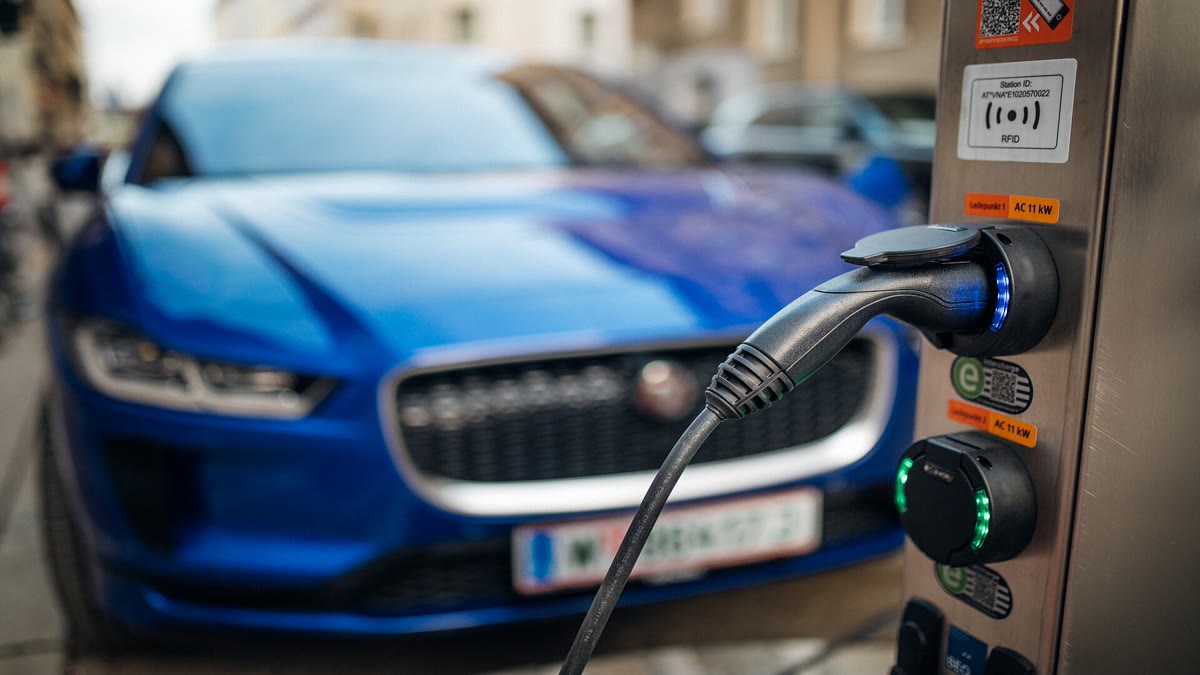
Compare petrol, strong-hybrid and EV running costs in India with dated fuel, mileage, range and electricity inputs, a worked monthly example and a practical ownership checklist.
Learn how battery swapping works for Indian electric two-wheelers, compare it with home and public charging, calculate the rupee cost, and check compatibility, ownership and safety before relying on a network.
After the final EMI, follow the car-loan closure process: collect the NOC and Form 35, remove hypothecation from the RC, track RBI's 30-day rule and prepare for resale.
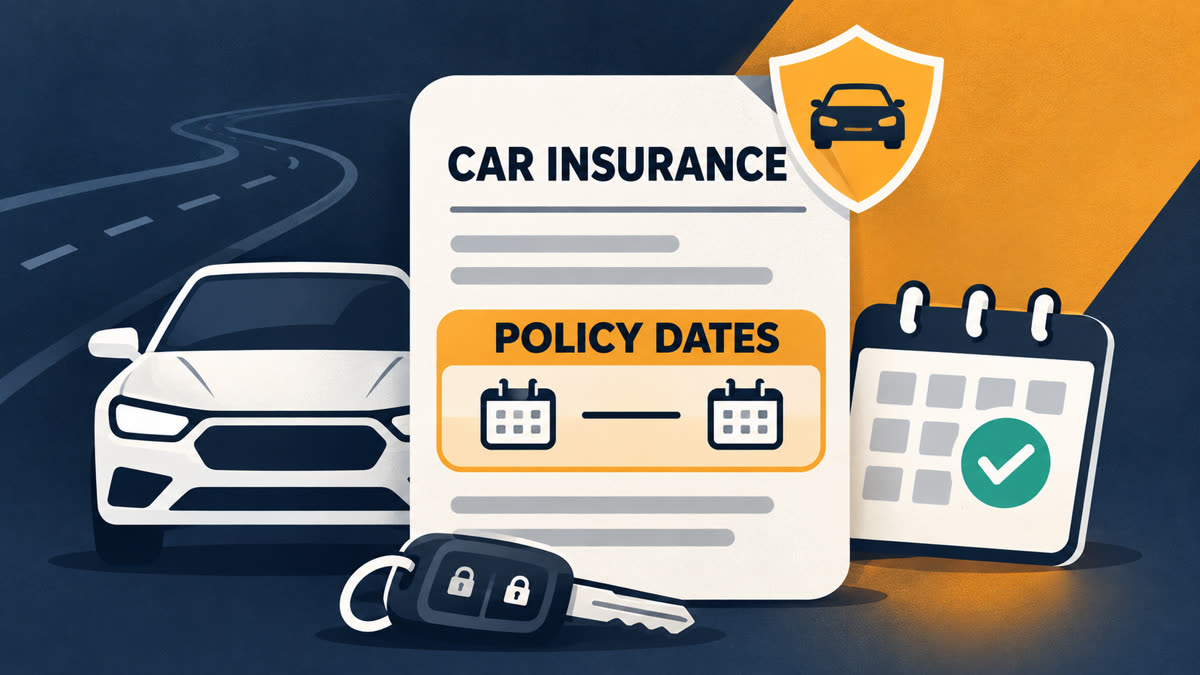
Learn how to verify policy and previous-policy dates, check insurance status online, preserve No Claim Bonus, and fix errors before they complicate a claim.