

Iraq, Kazakhstan challenge OPEC+ capacity review before 2027 quotas
Iraq and Kazakhstan are pressing OPEC+ to lift preliminary oil-capacity estimates before the 29 Nov meeting that will shape 2027 output baselines and global crude supply.
Global energy, oil and fuel updates and what they mean for India.
Iraq and Kazakhstan are pressing OPEC+ to lift preliminary oil-capacity estimates before the 29 Nov meeting that will shape 2027 output baselines and global crude supply.
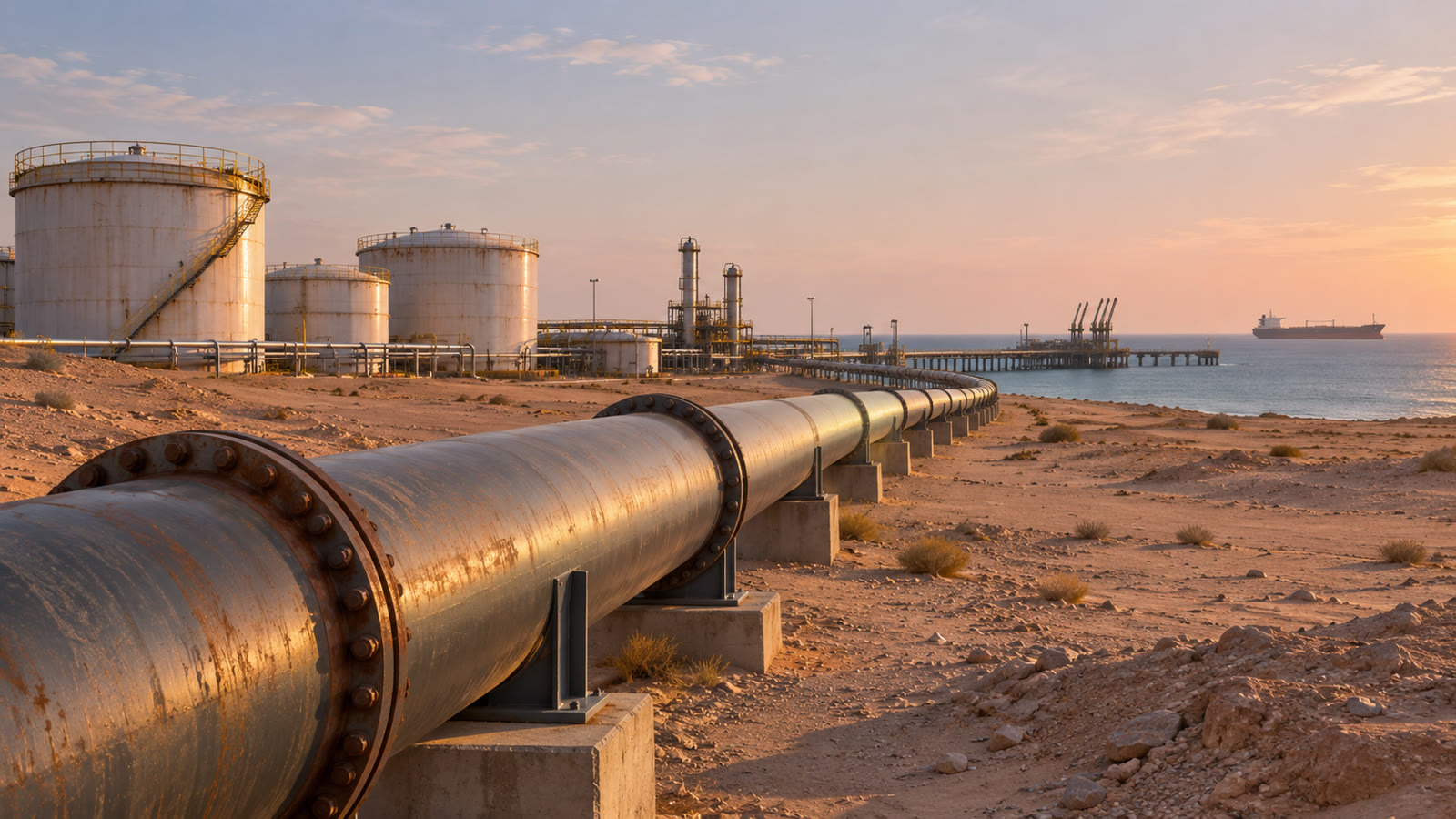
Brent crude settled at US$89.37 a barrel on 23 Nov after Libya’s Sharara pipeline resumed flows, easing supply fears while Middle East shipping risks remain.
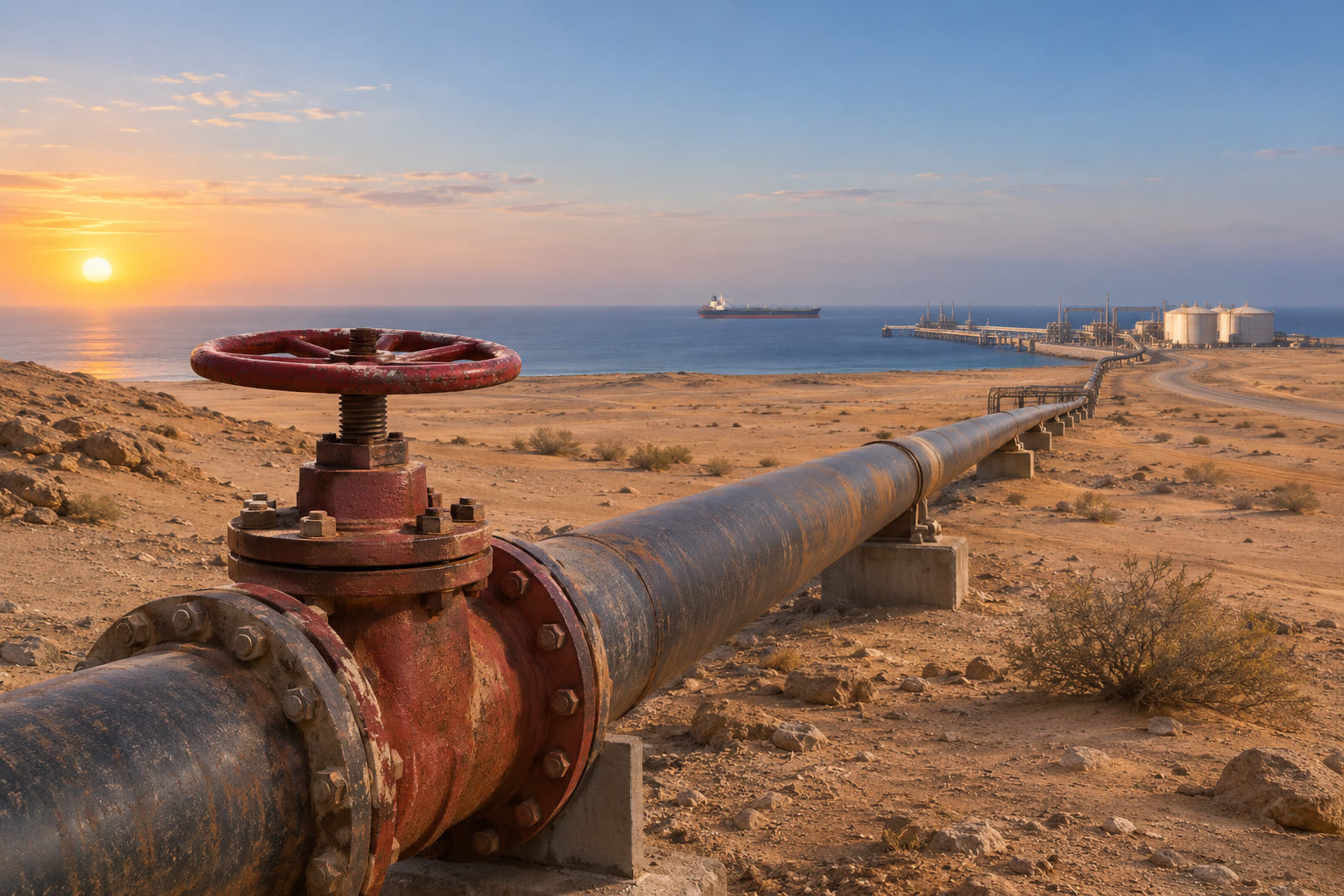
Brent fell about 2% on 23 Nov as stronger Middle East flows and reported Sharara resumption offset Libya's warning that pipeline closures could threaten 365,000 barrels per day of crude output.

UN climate talks in Antalya ended 22 Nov without consensus on an overarching pact after fossil-fuel language stalled; a separate 35% electrification pledge offers a narrower path forward.
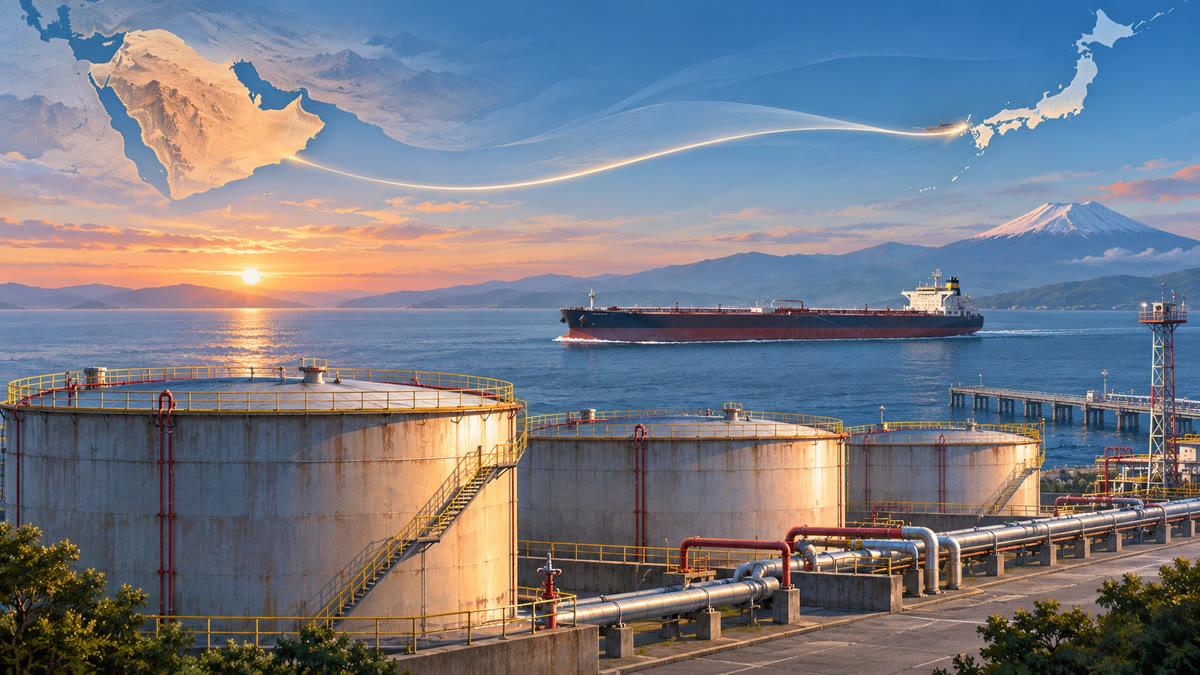
Japan plans to buy up to 8 million barrels of Saudi crude for its reserve, while Saudi Arabia gets 16 million barrels of temporary storage in Japan. The pact strengthens Asia supply resilience.

IMO talks on global shipping fuel standards and emissions payments resume from 23 Nov, with compliance rules still contested. The outcome could reshape marine-fuel choices and freight costs worldwide.
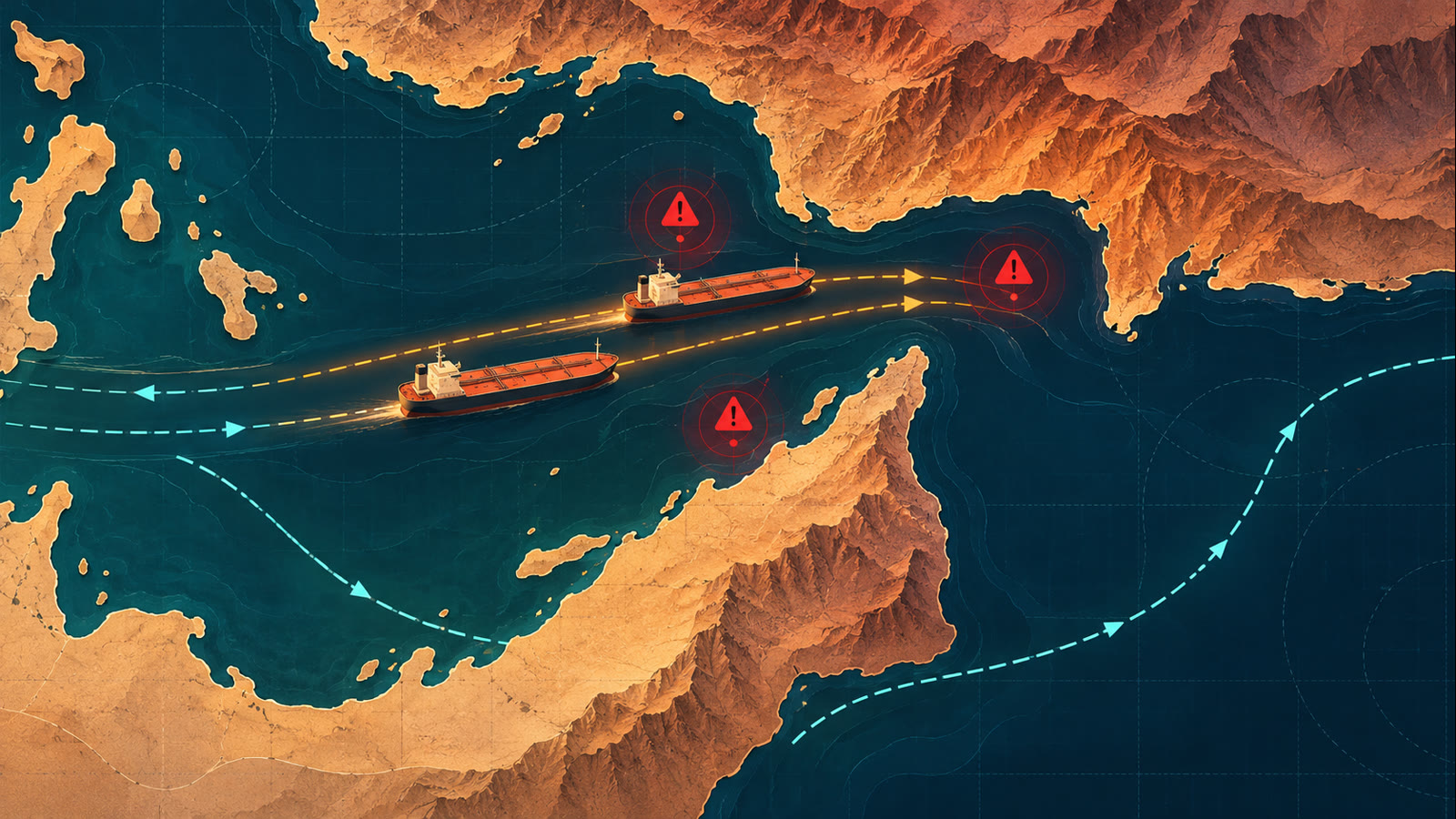
UKMTO reported two tankers struck by projectiles near Oman on 21 Nov, while Iran said another tanker hit a mine. The incidents deepen risk around a key global fuel route.

The EU and UK have concluded talks to link their carbon markets from 1 Jan 2028, subject to ratification. The move could cut carbon-border paperwork and align rules for airlines and ships.
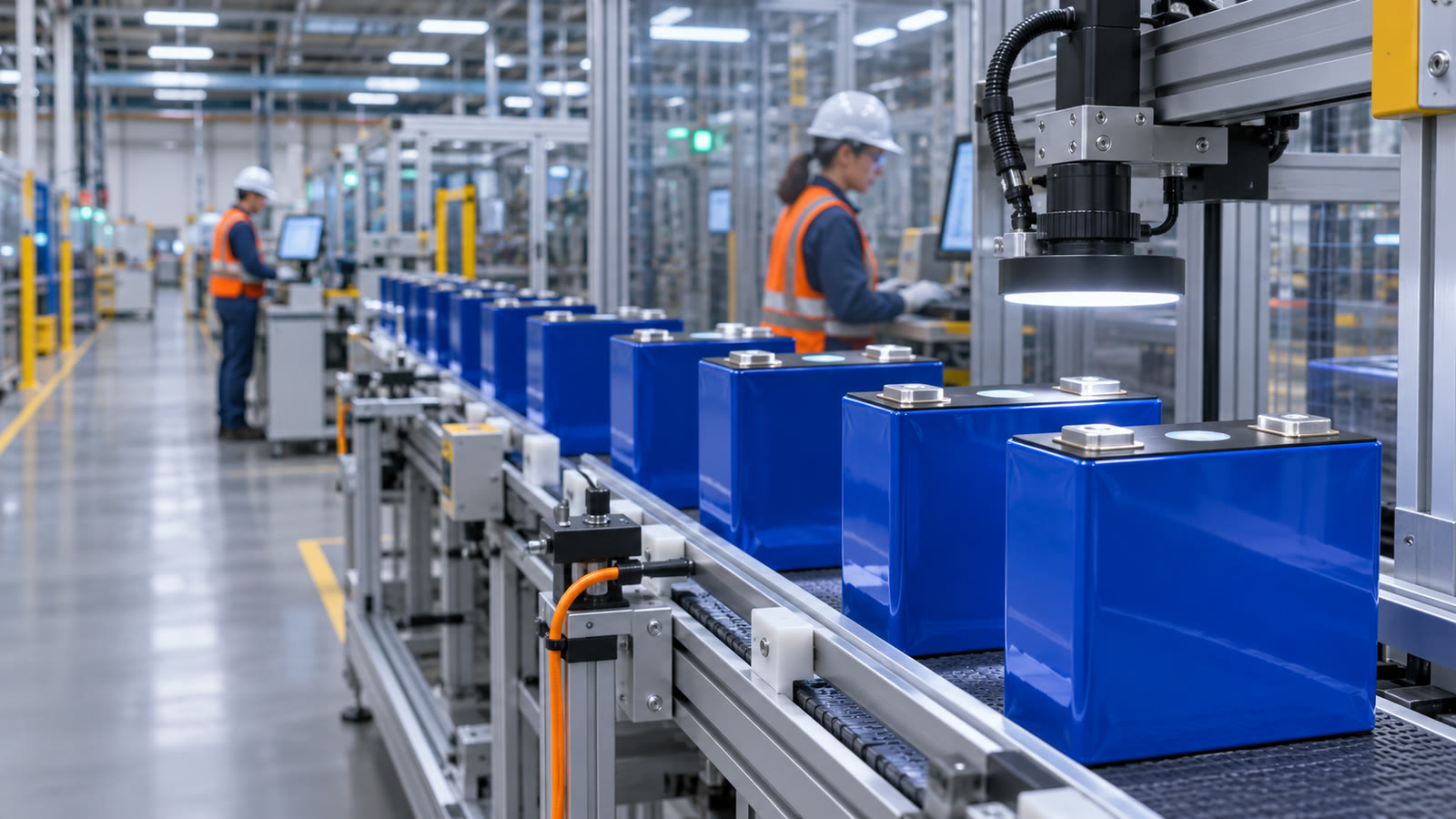
Ford has begun shipping its first LFP prismatic cells from Michigan to Fathom prototypes, using licensed CATL technology. The step could lower battery costs but does not yet mean customer deliveries.

A revised COP31 cover-decision draft removes explicit fossil-fuel phase-out language but keeps a proposed 35% electricity share by 2035, leaving the final policy unsettled.

The IEA says the 2026 Hormuz disruption will leave lasting marks on global fuel supply, prices and electrification, with countries diversifying energy and transport choices.
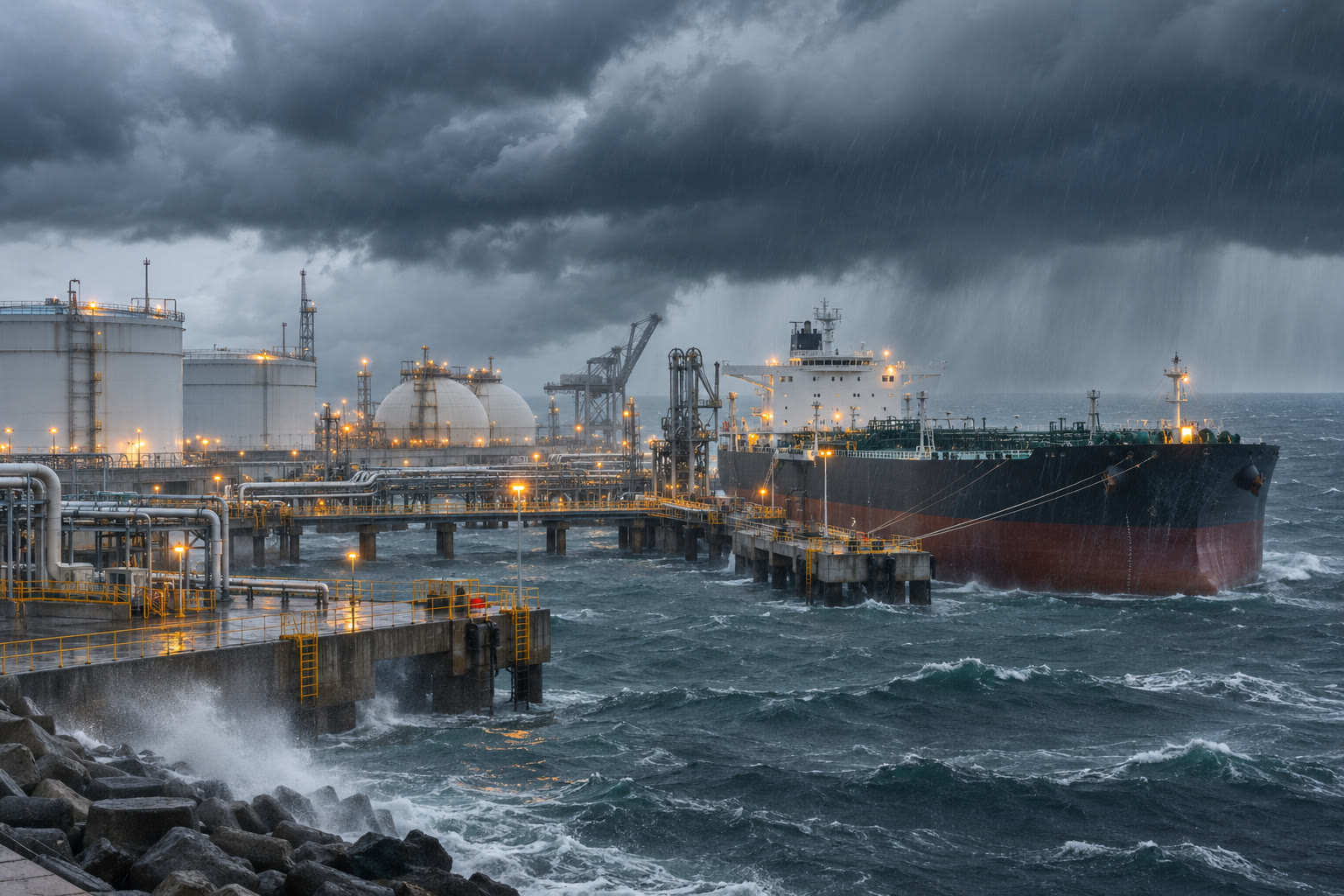
The IEA says storms, floods, drought and heat could disrupt global oil, refined-product and LNG shipping, putting ports, routes and fuel security under pressure.
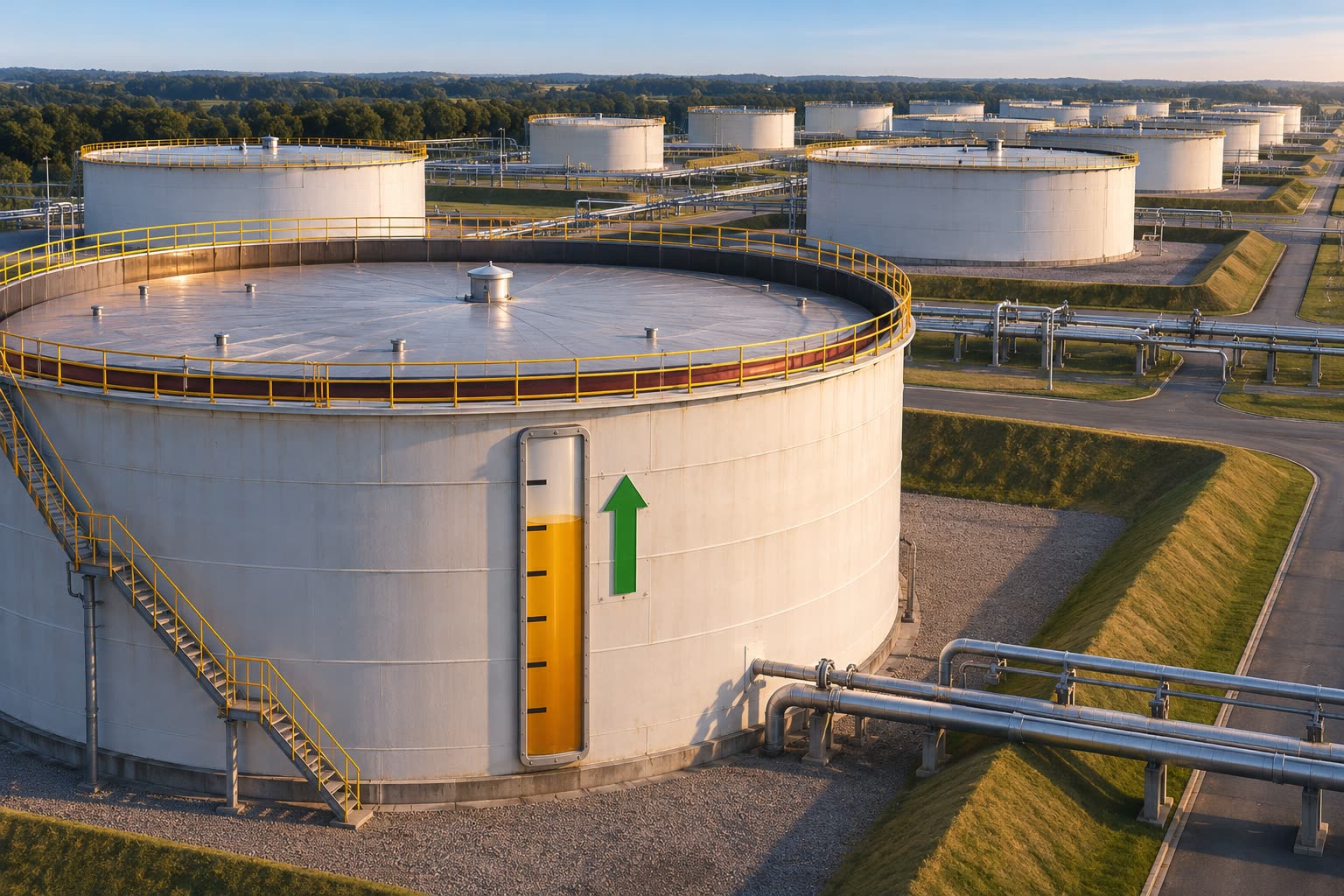
EIA data show US commercial crude stocks rose 3.4 million barrels and gasoline stocks 5.2 million barrels in the week ended 13 Nov 2026, adding pressure to Brent and the global oil outlook.

Venture Global and China Gas confirmed a 20-year deal for 1.0 million tonnes of U.S. LNG a year from 2030, linking North American supply with China’s gas market.
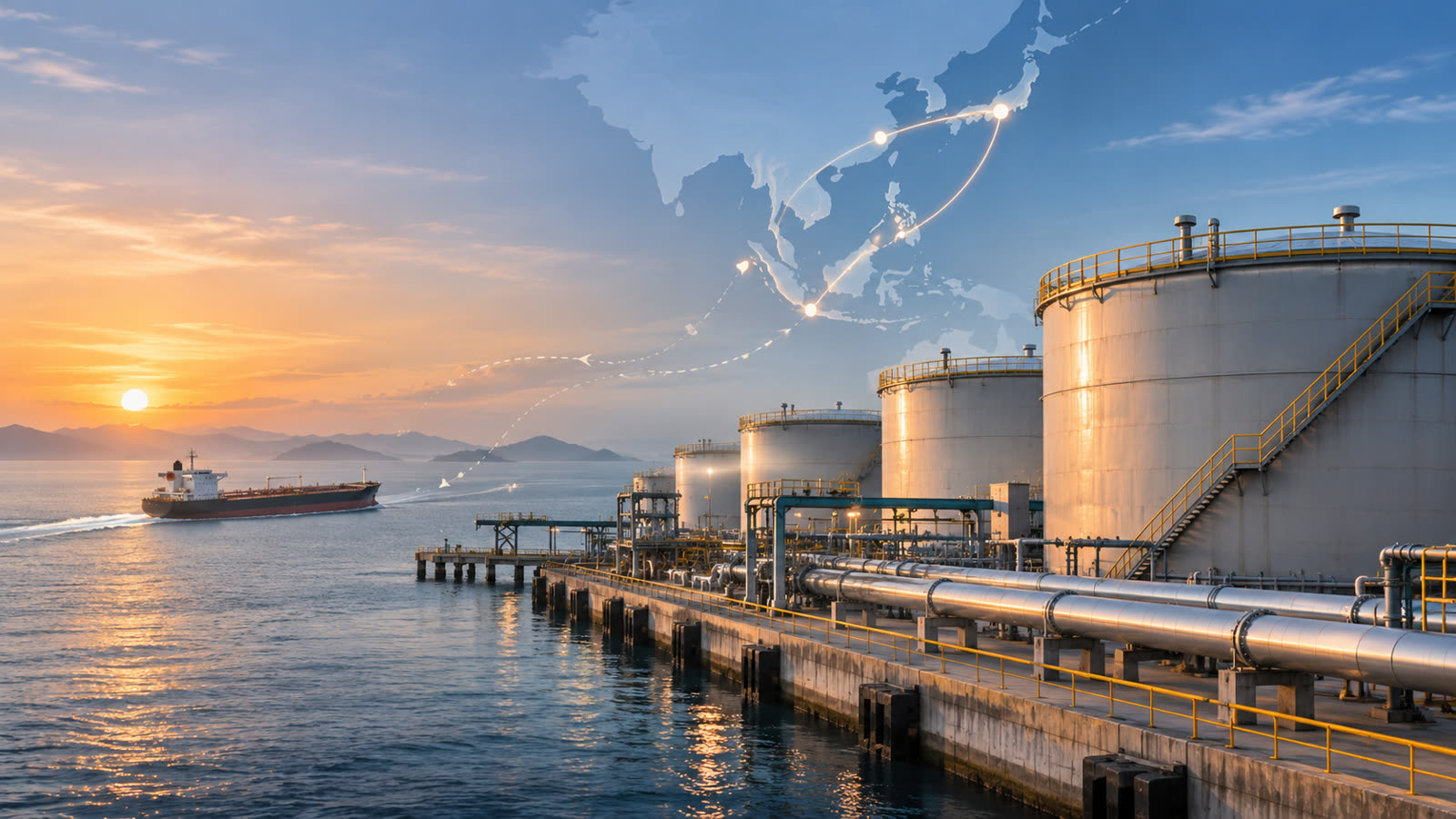
Japan and the IEA backed a new Asia oil-security hub to improve stockpiling and crisis coordination after Hormuz disruptions. It is a framework, not an immediate reserve release.
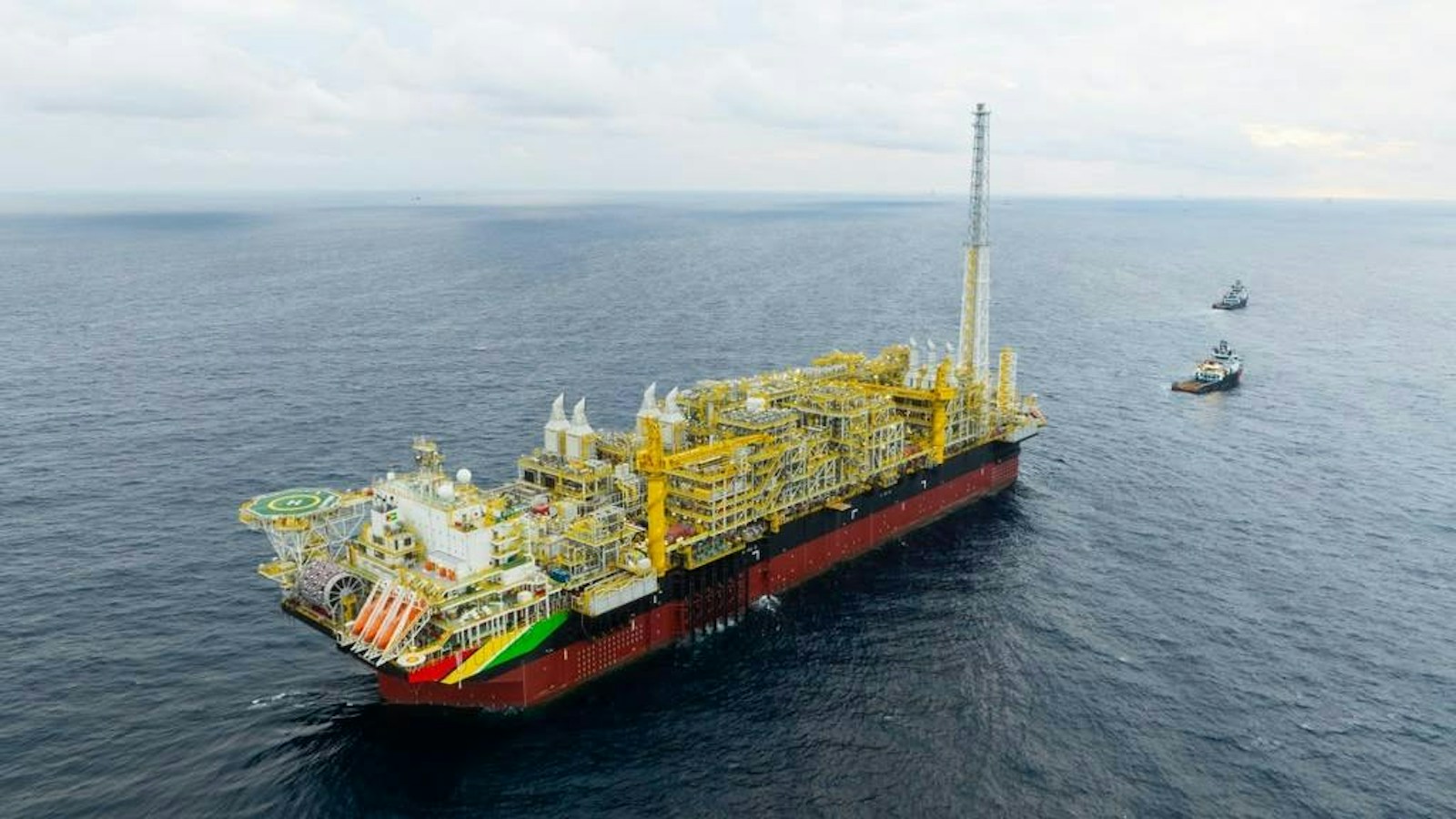
Guyana's Uaru project has started first oil, with its Errea Wittu FPSO expected to ramp to 250,000 bpd in Q1 2027. Here is what it adds to global supply.
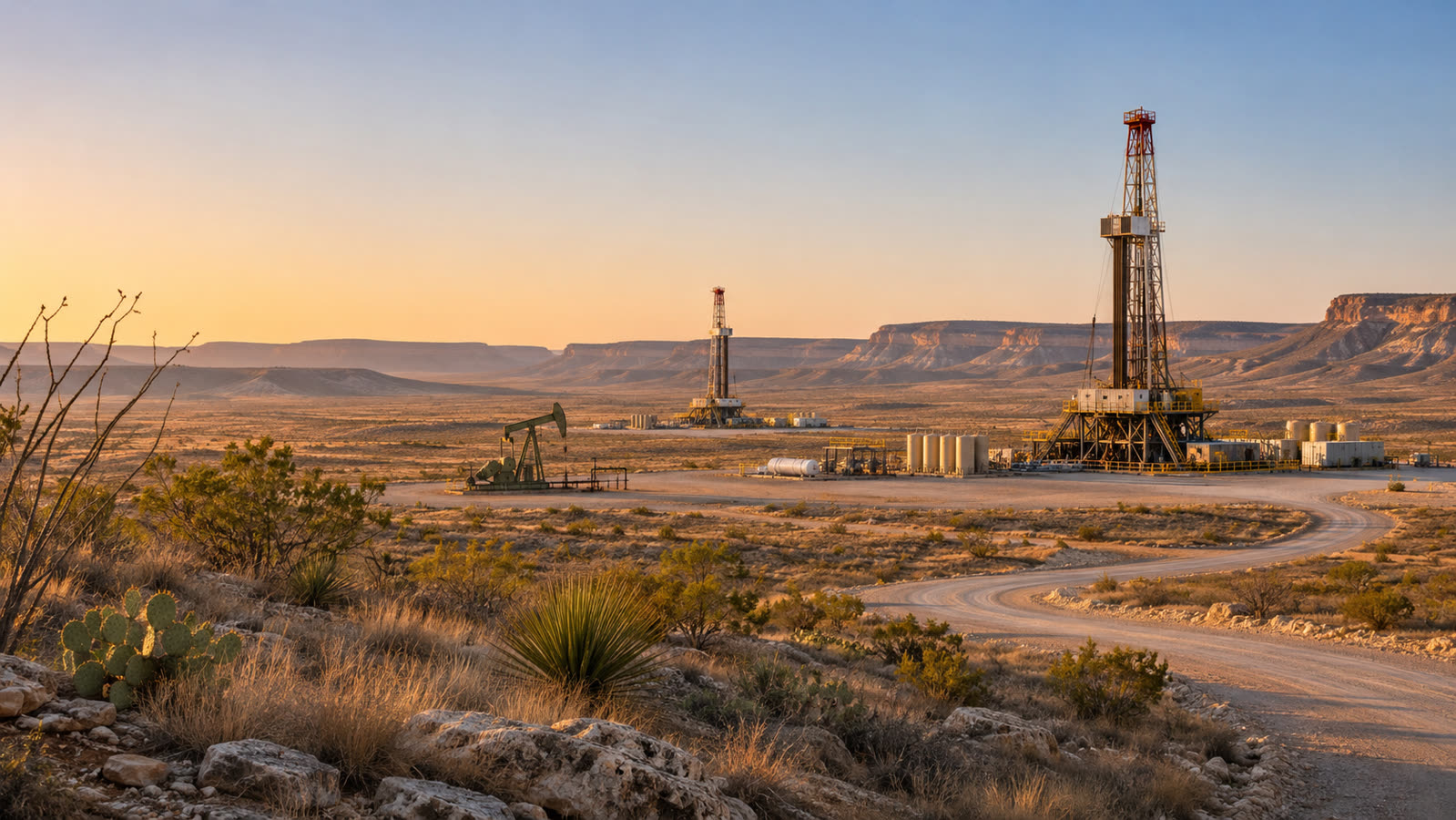
Diamondback Energy agreed on 16 Nov 2026 to buy Double Eagle’s Midland Basin assets for about US$5 billion, with oil output estimated at 35,000 bpd in 2027. The deal adds to the global supply picture.
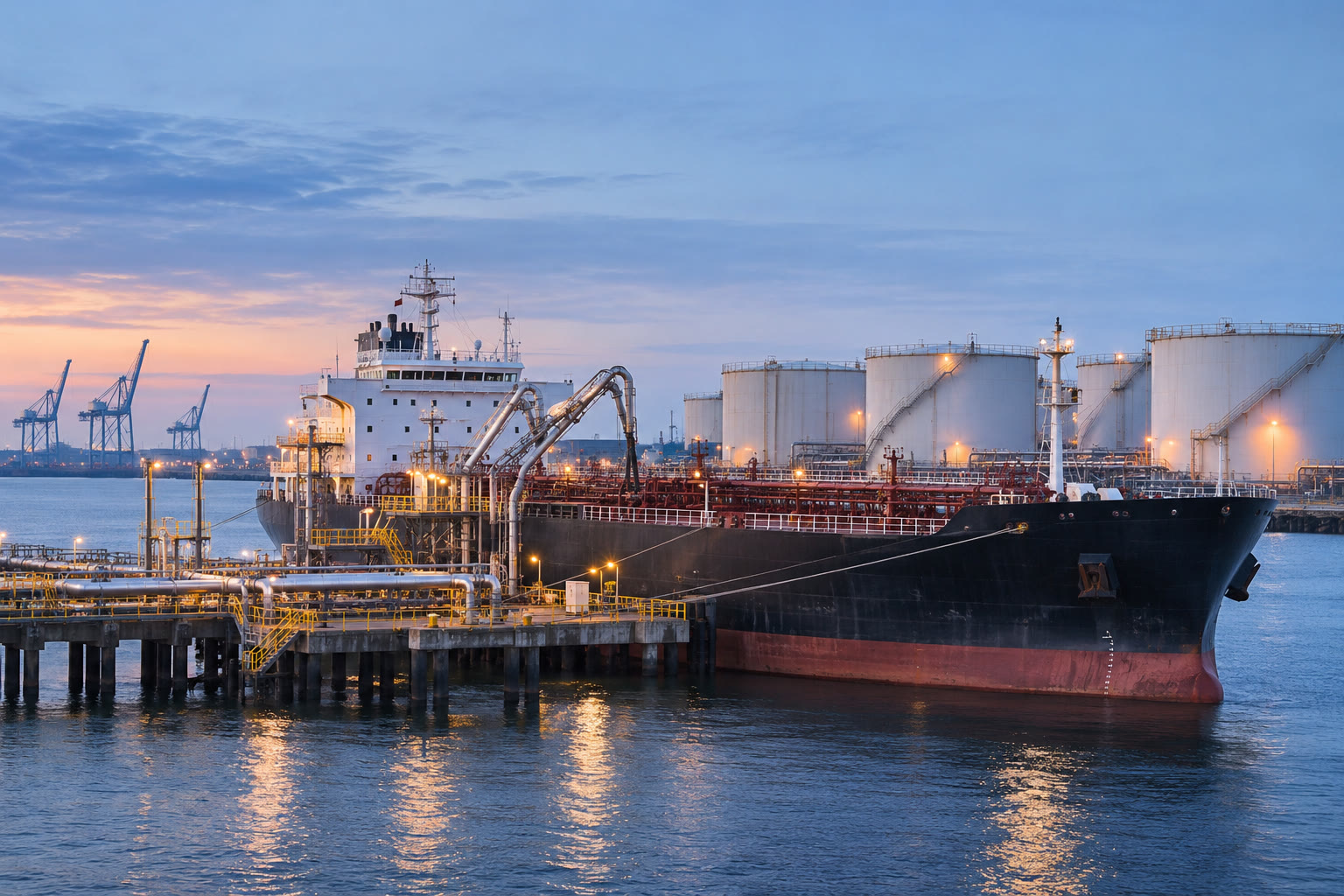
CBP is extending a U.S. fuel-shipping waiver for 90 days from 16 Nov 2026, keeping approved foreign-flagged cargo routes open as energy logistics remain under pressure.

ExxonMobil has sanctioned a US$12.5bn offshore gas-and-condensate project in Guyana after regulatory approval. Longtail targets 2030 start, but its gas export route is still undecided.

A voluntary fossil-fuel transition coalition is preparing for an Ireland-Tuvalu leadership handover at COP31 after Colombia’s withdrawal. The move sets policy work, not an immediate pump-price rule.