Blue Energy Motors has signed an initial pact with the Ministry of Road Transport and Highways (MoRTH) to join the PARIVARTAN vehicle-replacement scheme in Delhi-NCR, according to reports published on 22 Oct 2026. The development matters to fleet operators because it brings another electric heavy-duty truck supplier into a government-backed route for replacing older, high-emission commercial vehicles.
Key takeaways
- Blue Energy Motors has joined PARIVARTAN through an MoU with MoRTH, with the company aiming to support electric heavy-duty truck adoption for freight and logistics operators in Delhi-NCR.
- The scheme covers eligible older commercial trucks and buses registered in Delhi-NCR and supports replacement with electric or qualifying newer vehicles; it is not a nationwide rule for private cars.
- Official scheme benefits include a minimum 8% OEM discount, vehicle-tax and registration concessions, interest support on eligible loans, and a one-time electric-vehicle incentive, subject to the scheme rules.
- The company’s participation does not by itself confirm a model price, delivery date or automatic eligibility. Operators still need to check the portal, vehicle category, registration and replacement conditions.
What changed on 22 October
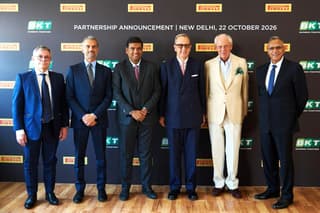
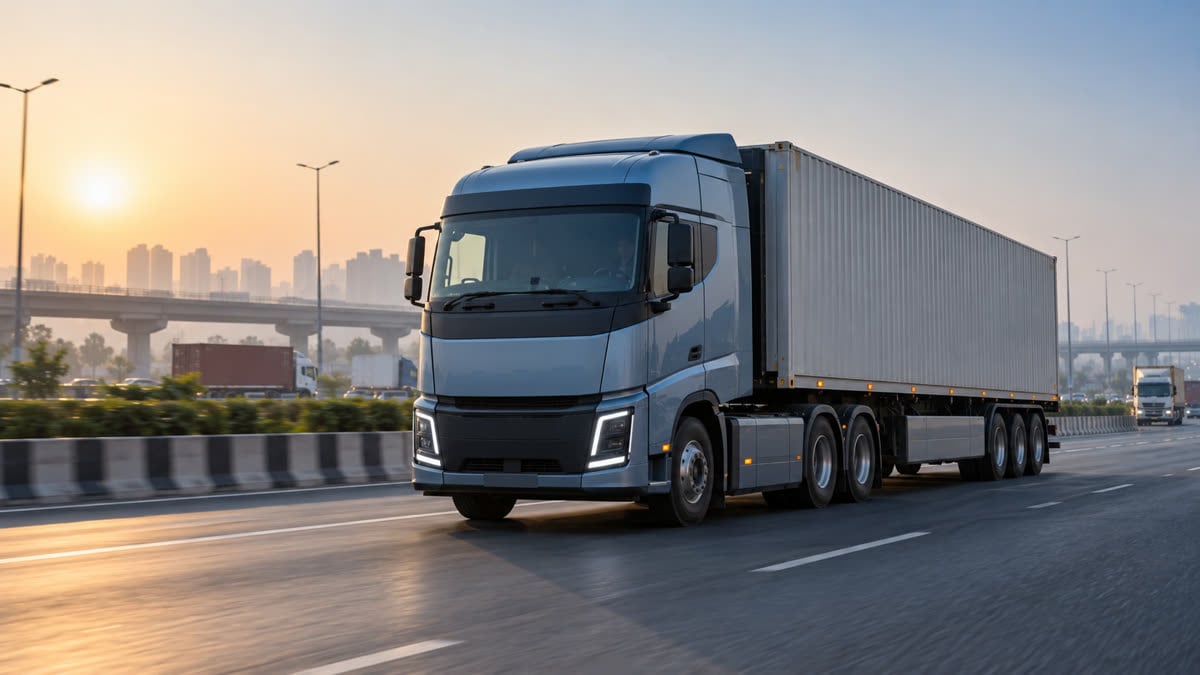
Autocar Professional and ET Auto, carrying a Press Trust of India report, separately reported that Blue Energy Motors had signed an MoU or initial pact with MoRTH under PARIVARTAN. The company said it intends to support fleet operators moving towards electric heavy-duty trucks for freight and logistics operations.
This is a participation and fleet-transition update, not the launch of a new retail truck model or a new nationwide electric-truck mandate. The announcement also does not publish a Blue Energy vehicle price, a purchase quota or a delivery schedule under the scheme. Those details matter to operators and should be treated as pending unless they appear in a later company or government notice.
How PARIVARTAN works
The official framework is aimed at replacing older, high-emission trucks and buses operating in the National Capital Region with Bharat Stage VI-compliant or electric vehicles. It covers the National Capital Territory of Delhi and eligible NCR districts in Haryana, Rajasthan and Uttar Pradesh. That geographic scope is important: a fleet based outside the eligible region cannot assume that the same benefits apply.
MoRTH’s 28 Aug 2026 update says the support package can include a minimum 8% discount on the eligible new vehicle’s ex-showroom price from participating manufacturers, a 100% motor-vehicle-tax concession for 10 years and a full registration-fee waiver where the participating states have issued the required notifications. The official release also describes a 5% interest subvention on eligible vehicle loans for five years.
The fuel and EV benefits are structured differently. Eligible buyers of replacement BS-VI diesel or CNG vehicles can receive monthly fuel vouchers ranging from ₹1,200 to ₹4,800 for five years, depending on vehicle category. Buyers of eligible replacement electric vehicles can instead receive a one-time incentive ranging from ₹64,000 to ₹2.56 lakh. These are scheme figures reported by the government and are not a promise that every applicant will receive the maximum amount.
The government’s August update said PARIVARTAN is intended to replace more than 2 lakh BS-IV or older trucks and buses. It also said the scheme had onboarded 42 banks and NBFCs and 15 auto OEMs by 27 Aug 2026. Blue Energy’s announcement adds the company to the broader industry participation story, but the exact vehicle, lender and application combination remains an eligibility question for each operator.
What Blue Energy’s participation means for fleets
For operators, the immediate value is potentially greater choice when comparing an eligible replacement truck. A policy-backed purchase route can bring together the OEM discount, tax and registration concessions, financing support and the EV incentive. The useful comparison is the total transaction cost after the applicable benefits, not one headline percentage in isolation.
That calculation still depends on the vehicle category, the old vehicle’s registration and emission status, the replacement vehicle, the lender’s terms and the operator’s route. A heavy-duty electric truck also has to fit the duty cycle: payload, daily distance, depot access, charging or battery-swapping arrangements, turnaround time and maintenance support. PARIVARTAN support can reduce some entry costs, but it does not remove those operating requirements.
Operators comparing an electric truck with a diesel or CNG replacement should also keep the benefit design clear. The monthly fuel-voucher support described by the government applies to qualifying BS-VI diesel and CNG replacements, while an eligible electric replacement has a one-time incentive. A fleet budget should not add both benefits to the same EV purchase.
For the energy side of the decision, the EV charging directory can help identify the public charging network available in a state, while the live fuel-price hub provides the diesel or CNG reference price used in a conventional-vehicle comparison. A route-level estimate can be checked with the fuel cost calculator, but an electric-truck comparison also needs the operator’s electricity tariff, charging losses and planned charging arrangement.
What operators should check now
- Eligibility record: confirm the old truck or bus’s registration location, emission norm, vehicle category and whether it meets the scheme’s replacement or scrappage conditions.
- Portal process: use the PARIVARTAN process to check eligibility, register the vehicle and preserve the application or scheme reference details.
- Complete quote: ask for the vehicle price, applicable OEM discount, tax and registration treatment, loan rate, interest-subvention terms and insurance or maintenance costs as separate line items.
- Operational fit: map the regular route, payload, charging or swapping location, turnaround time and backup plan before treating the EV incentive as the full cost case.
- Documents: keep the registration certificate, scrappage or Certificate of Deposit records, purchase documents and lender paperwork together so the benefit claim can be checked against the final transaction.
What to watch next
The next meaningful updates will be the vehicle and dealer details accepted through the scheme, the processing experience on the portal and the number of old commercial vehicles actually replaced. An MoU expands potential participation; it does not prove that a particular truck is approved, that a particular route is commercially viable or that a fleet will receive a fixed benefit without a completed eligibility assessment.
For Delhi-NCR freight operators, the announcement is therefore a practical signal rather than an immediate change at every depot. Cleaner trucks are moving closer to a supported replacement pathway, but the rupee impact will be decided by the individual vehicle quote, financing terms, route energy plan and applicable state concessions.
Sources
- Autocar Professional — “Blue Energy Motors Joins Govt PARIVARTAN Scheme for Electric Heavy-Duty Trucks” (22 Oct 2026)
- ET Auto / PTI — “Blue Energy Motors joins Centre’s commercial vehicle replacement scheme for Delhi-NCR” (22 Oct 2026)
- Press Information Bureau, MoRTH — “PARIVARTAN Scheme gains momentum: 1,300+ beneficiaries registered, 42 Banks/NBFCs and 15 auto OEMs onboarded across Delhi-NCR” (28 Aug 2026)
- Press Information Bureau, MoHUA — “MoHUA Approves Guidelines for PARIVARTAN Scheme to Accelerate Replacement of Old Trucks and Buses in NCR” (16 Jul 2026)
- PARIVARTAN portal — eligibility, benefits and application information (accessed 23 Oct 2026)
This article is for general information only and is not financial, insurance or legal advice.