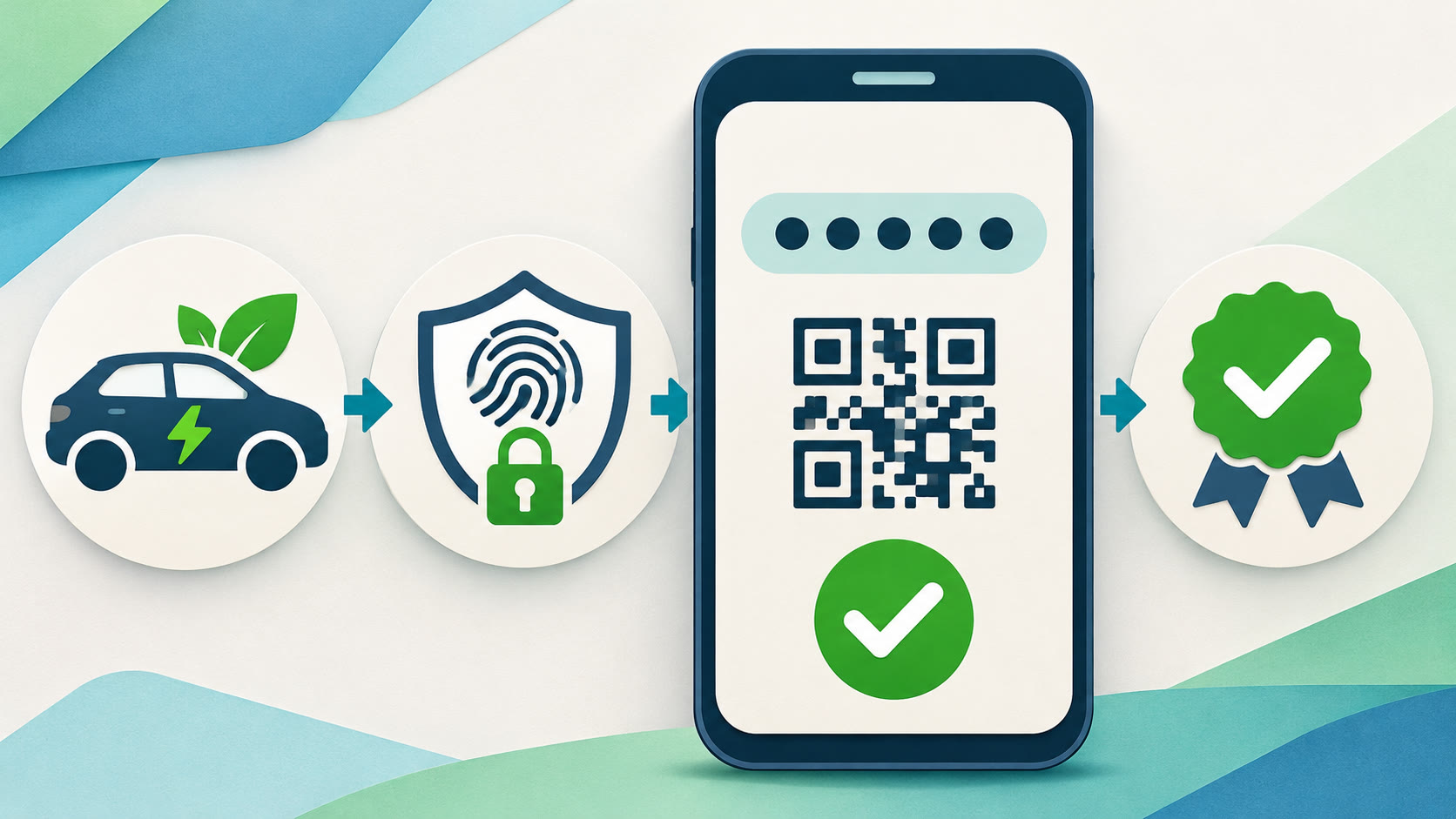
Delhi has made Aadhaar-number submission and OTP authentication mandatory for individuals claiming purchase or scrappage incentives under the Delhi Electric Vehicles (EV) Policy, 2026. The change matters for anyone applying through Delhi's EV Incentive Portal: the identity check is now part of the claim process, although the notification keeps documented fallback routes for people who have not received Aadhaar or cannot complete OTP verification.
Key takeaways
- The rule applies to individual applicants seeking a purchase incentive or scrappage incentive under Delhi's EV policy.
- Authentication is electronic and uses a one-time password on the portal designated by the Transport Department.
- An applicant waiting for Aadhaar can use an Aadhaar Enrolment ID slip plus one accepted photo identity document, subject to departmental verification.
- If OTP or time-based OTP authentication is not possible, the department may verify a physical Aadhaar letter through its QR code.
What changed in Delhi's EV incentive process
The Transport Department notification is dated 3 November 2026 and was published in the Delhi Gazette on 12 November. It says every individual applicant for a purchase or scrappage incentive must furnish an Aadhaar number and undergo Aadhaar authentication as part of the online application. The department says the purpose is to establish beneficiary identity, prevent duplicate or fraudulent claims, and route Direct Benefit Transfer payments to the eligible person.
This is a verification requirement, not a new all-India EV subsidy. The notification applies to claims made under the GNCTD's Delhi EV Policy 2026. It also says the policy's existing eligibility criteria, conditions, incentive ceilings and timelines continue to apply. An application can therefore pass the Aadhaar check and still be assessed against the vehicle, registration, scrappage and other conditions in the policy and its operational guidelines.
Who needs to pay attention
The affected group is wider than a buyer taking a purchase incentive. The notification names both purchase-incentive and scrappage-incentive applicants, so a person replacing an eligible old vehicle and claiming the policy's scrappage benefit will also need to complete the identity process. The requirement is tied to the individual application; it does not turn every EV registration in India into an Aadhaar-based claim.
For Delhi residents comparing an electric two-wheeler, three-wheeler, car or goods vehicle, the practical question is whether the benefit being claimed is administered through the Delhi policy's online incentive process. The Department's policy document remains the reference for which vehicle categories, model conditions, registration requirements and time limits apply. A buyer in a neighbouring city should not assume that a Delhi-registered incentive is available simply because the vehicle is purchased from a Delhi dealer.
Fallbacks if Aadhaar or OTP is not ready
The notification does not leave every applicant with a working Aadhaar OTP as the only path. A person who has not enrolled or whose Aadhaar number has not yet been assigned is required to apply for enrolment if eligible, but can claim the benefit before the number is generated by submitting the Aadhaar Enrolment ID slip along with one of four documents:
- a photo-bearing bank or post-office passbook;
- a PAN card;
- a passport; or
- a voter identity card.
The listed documents may be checked by an officer designated by the Transport Department. The notification also directs district offices to facilitate enrolment where beneficiaries do not have a nearby centre.
There is a separate route for authentication failure. If Aadhaar OTP or time-based OTP authentication cannot be completed, the department may provide the benefit after checking a physical Aadhaar letter through its printed QR code. The order also refers to the DBT Mission's exception-handling mechanism, with the stated objective of preventing a genuine beneficiary from being denied only because the normal authentication path failed.
What this means for a vehicle-cost calculation
The new requirement is administrative, so it should not be read as a change in an EV's ex-showroom price or as a guaranteed reduction in the amount a buyer will pay. For a Delhi purchase, the cost picture has separate pieces: the vehicle price, any policy incentive for which the vehicle and applicant qualify, the treatment of road tax or registration charges under the policy, and the time and documents needed to complete a claim.
That distinction matters when comparing an electric vehicle with a petrol or diesel replacement. Use the fuel cost calculator to estimate the current vehicle's running cost, then keep the Delhi policy claim as a separate, conditional item rather than subtracting it before eligibility and verification are confirmed. EV drivers can also check the state-wise EV charging directory before treating a lower running-cost estimate as the full ownership picture.
For longer trips, charging availability and route length can change the time cost even when the energy cost looks favourable. The road-trip planner can help compare route distance and stops while the incentive application is handled separately through the designated government process.
Checklist before submitting a claim
- Confirm that the vehicle, registration and incentive type fall within the Delhi EV Policy 2026 and its current operational guidelines.
- Keep the Aadhaar number and access to the OTP channel ready for the designated EV Incentive Portal.
- If Aadhaar is pending, retain the Enrolment ID slip and one of the four accepted documents.
- If OTP cannot be completed, ask the relevant district office about the physical-letter and QR-verification route rather than abandoning a potentially eligible claim.
- Keep the application acknowledgement and any departmental verification record with the vehicle papers.
What to watch next
The next useful update will be operational rather than a new headline incentive: how the EV Incentive Portal displays the Aadhaar step, which district offices handle exception cases, and how applicants can track a claim after document verification. Until those instructions change, the confirmed position is that Aadhaar authentication is part of the Delhi purchase- and scrappage-incentive process, with enrolment-slip and QR-based alternatives written into the notification.
Sources
- Government of India e-Gazette — “Notification under Section 7 of the Aadhaar Act for Delhi EV Policy 2026” — 3 Nov 2026; published 12 Nov 2026.
- Moneycontrol — “Delhi EV Policy 2026: Aadhaar mandatory for purchase, scrapping incentives; check new rules” — 12 Nov 2026.
- Transport Department, GNCTD — “Delhi Electric Vehicles Policy, 2026” — 1 Jul 2026.