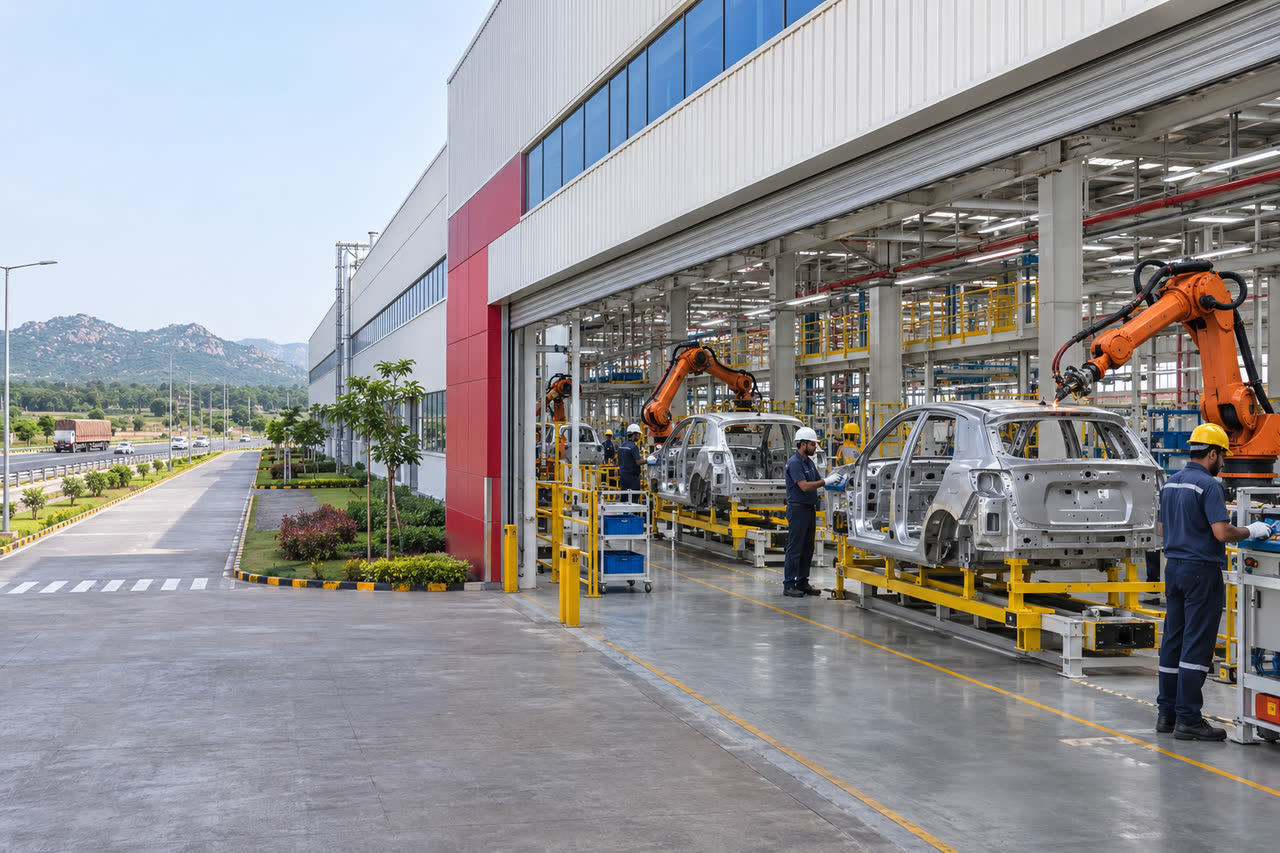
Kia India and its supplier partners announced on 12 Nov 2026 that they plan to invest US$2 billion in a second manufacturing plant in Andhra Pradesh. The proposed facility matters to Indian car buyers because it is intended to add 2 lakh vehicles of annual capacity and support new internal-combustion and electric models, although no model, price or booking plan has been confirmed.
Key takeaways
- The second Anantapur facility is proposed under a memorandum of understanding with the Andhra Pradesh government.
- The planned plant would add 2 lakh units a year, taking Kia India's combined installed capacity from 4.3 lakh to 6.3 lakh vehicles, according to the company reports.
- The project is expected to create about 12,000 direct and indirect jobs across Kia and its supplier ecosystem.
- Kia says the facility will support new ICE and EV models, but it has not named the vehicles or announced prices.
- Reuters and Autocar India reported early 2030 production, while PTI said Kia's CEO did not specify an operational timeline at the CII summit. Early 2030 should therefore be treated as a reported plan, not a guaranteed delivery date.
What Kia has announced
Kia India has signed an MoU with the Andhra Pradesh government for an additional facility in Anantapur. Business Today, citing Kia's statement, reported the combined Kia-and-supplier investment as US$2 billion and the proposed land area as 465 acres. The project would add 2 lakh units of annual manufacturing capacity, taking the company's combined capacity across its two Indian facilities to more than 6 lakh vehicles.
Reuters reported the resulting capacity as 6,30,000 vehicles a year, up from 4,30,000 units at the existing Anantapur plant. The company said the new facility would serve both Indian and overseas markets and would work with Indian and South Korean component suppliers. The investment remains a proposal linked to an MoU; it is not an announcement that a new plant is already operating.
| Project detail | What is reported | Status |
|---|---|---|
| Investment | US$2 billion with supplier partners | Announced proposal |
| Added capacity | 2 lakh vehicles a year | Planned |
| Combined capacity | 6.3 lakh vehicles a year | Expected after commissioning |
| Powertrains | ICE and electric vehicles | Models not named |
| Employment | About 12,000 direct and indirect jobs | Company estimate |
What changes for car buyers now
No immediate price or model change
The announcement does not change the price, waiting period or specification of any Kia vehicle currently on sale. It also does not confirm that a particular global model will come to India. A new factory can improve future manufacturing headroom, but the effect on a showroom price or delivery time depends on the model mix, localisation, supplier readiness and market demand.
For a buyer calculating ownership cost today, the useful inputs remain the vehicle's actual price, fuel or electricity consumption, insurance, service and financing terms. A proposed factory should not be treated as evidence of a future discount. The fuel cost calculator can help estimate the running-cost part of that comparison using a vehicle's stated efficiency and a dated fuel price.
More capacity could widen future choice
Kia has said the second facility will support new models across ICE and EV powertrains. That gives the company room to add vehicles without relying entirely on the existing plant, but it does not tell buyers whether the next model will be a small car, SUV, hybrid, electric vehicle or a commercial product. No India-specific launch date or price was disclosed with the plant announcement.
The expansion may also strengthen local component demand and export volumes over time. Those are potential benefits, not guaranteed outcomes: a 2-lakh-unit capacity is an installed ceiling, not a promise that 2 lakh vehicles will be built or sold each year.
Why the EV reference matters
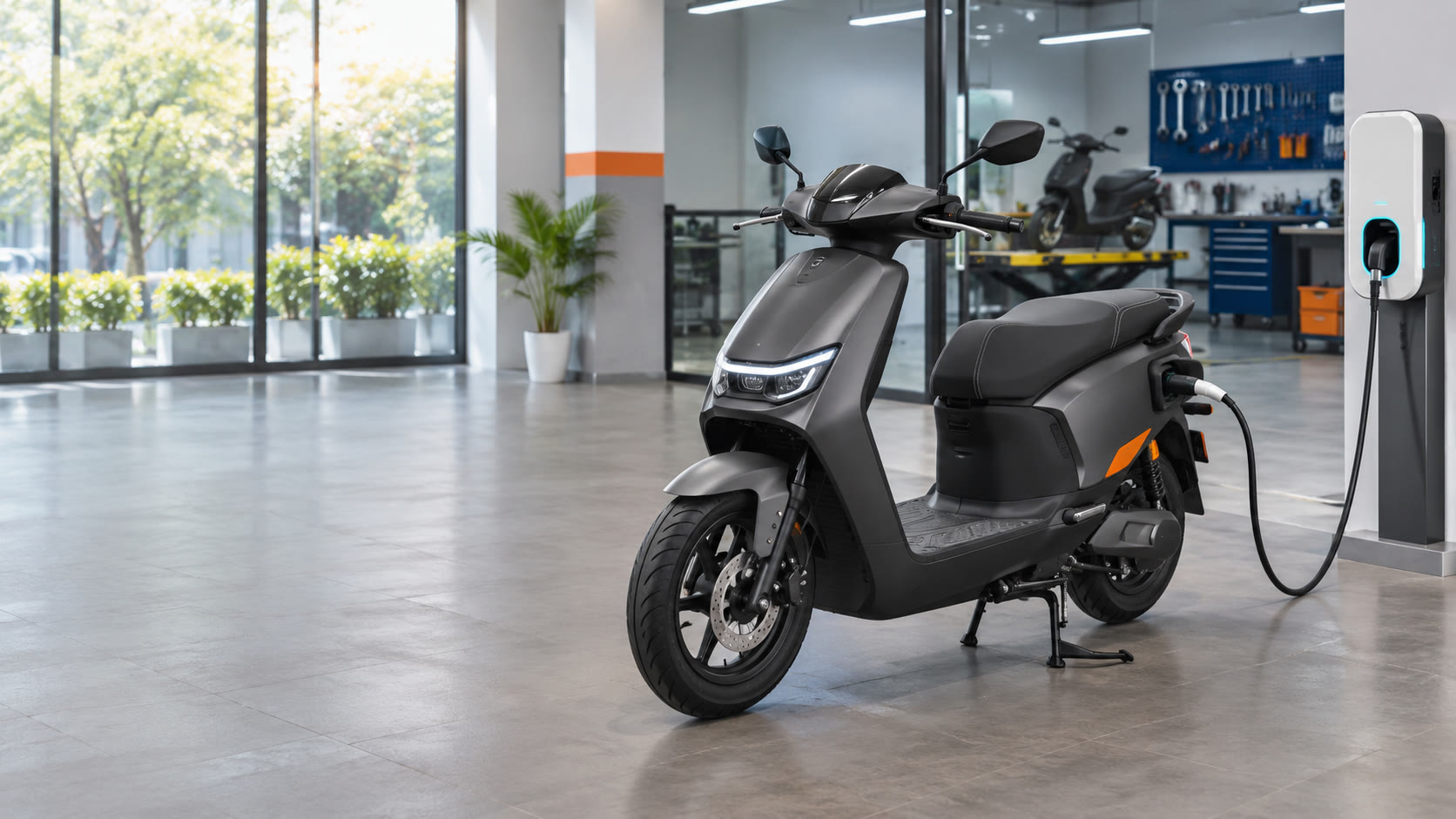
Kia's statement places battery-electric vehicles alongside internal-combustion models in the future plant's scope. This is relevant to buyers because local production can eventually support more powertrain choices and may reduce dependence on imported finished vehicles. It does not, by itself, confirm an EV's battery size, range, charging speed, price or launch timing.
Charging availability will remain a separate ownership question. Readers assessing an electric vehicle should check the live network and connector options in their regular routes; FuelPrice's state-wise EV charging directory is the relevant follow-up tool. The plant announcement is about manufacturing capacity, not a new charging rollout.
Timeline: what is confirmed and what is still open
There is a small but important difference in the initial reports. Reuters said production is expected to begin in early 2030, and Autocar India also reported early 2030 as the planned start. PTI's 12 Nov report said Kia India Managing Director and CEO Gwanggu Lee did not specify when the investment would be made or when the extra capacity would become operational in his summit remarks.
That means early 2030 is best described as a reported target associated with the company announcement, while the commissioning schedule remains subject to land, approvals, construction, supplier tooling and model allocation. The next useful confirmation will be a detailed project schedule and a named product plan from Kia or the Andhra Pradesh government.
Why it matters beyond Kia
The proposal arrives as automakers seek more Indian production capacity for domestic sales and exports. Kia's existing Anantapur plant began mass production in August 2019, Reuters reported, and makes vehicles for both markets. That export-and-domestic role shows why extra capacity can matter: the new facility would give Kia more room to respond to demand while keeping the India plant connected to overseas supply chains.
For transport operators, suppliers and workers, the potential effect is more immediate in the industrial ecosystem than at the fuel pump. More stamping, welding, painting and assembly activity can create demand for components, logistics and technical skills, but the precise employment and supplier contracts will emerge only as the project moves from MoU to construction.
What to watch next
- A formal project schedule, including land and construction milestones.
- The models and powertrains Kia assigns to the second facility.
- Whether the company confirms early 2030 as a firm start-of-production target.
- Changes in localisation, exports, charging support and service capacity for any future Kia EV.
Reader takeaway
Kia's second Andhra Pradesh plant is a significant future-capacity announcement, not an immediate product launch or price change. Indian buyers can treat it as a signal that Kia intends to expand its ICE and EV range from India, while waiting for named models, certified specifications, prices and a confirmed production schedule before drawing conclusions about a purchase.
Sources
- Reuters — Kia India plans $2 billion investment in second plant, targets 2030 production kickoff — 12 Nov 2026
- PTI/The Week — Kia India to invest USD 2 billion for new manufacturing unit in Andhra Pradesh — 12 Nov 2026
- Autocar India — Kia to establish second India manufacturing facility in Andhra Pradesh — 12 Nov 2026
- Business Today — Kia to invest $2 billion to set up 2nd plant in Andhra Pradesh — 12 Nov 2026
- Kia India — India Plant — accessed 13 Nov 2026