Go Digit’s H1 FY27 transparency report shows its average motor-vehicle repair approval time rose to 17 hours 39 minutes from 14 hours 44 minutes a year earlier. The insurer attributed part of the increase to Gujarat flood claim volumes, inaccessible vehicles and garage congestion; for vehicle owners, the figures are a useful reminder that claim timelines vary with damage, inspection and documentation.
+ +Key takeaways
+-
+
- The report covers H1 FY27 and uses claims data as at 30 September 2026. +
- Average vehicle-repair approval time rose from 14 hours 44 minutes in H1 FY26 to 17 hours 39 minutes in H1 FY27. +
- Excluding Gujarat flood claims, the reported H1 FY27 average was 16 hours 27 minutes. +
- Digit said it settled 2,109 Gujarat flood motor claims, representing 72.5% of claims received, and paid ₹28.5 crore by the end of H1 FY27. +
- Retail motor registration and nomination changes took 22 minutes on average, compared with 10 minutes in H1 FY26. +
What changed in the motor-claims data
+The headline figure is a work-approval turnaround time, not the time needed to complete repairs or pay a final settlement. Digit defines it as the period from the first notice of loss to the issuance of the vehicle repair order. That period includes claim intimation, checks on whether the claim is admissible and communication of the approval to the garage.
+Digit’s report says vehicle repair approvals typically take one to two days, while its own average moved higher in H1 FY27. The company also reported an average of 16 hours 27 minutes when Gujarat flood claims were excluded. That comparison is useful, but it remains insurer-level data rather than an industry-wide benchmark.
+For policyholders, the distinction matters. A work order can allow repairs to begin, but parts availability, survey requirements, a total-loss assessment, lender documentation or garage capacity can affect the time until the vehicle is ready. The 17-hour 39-minute figure therefore should not be read as a promise that every claim will be approved within that period.
+ +Flood claims put the numbers in context
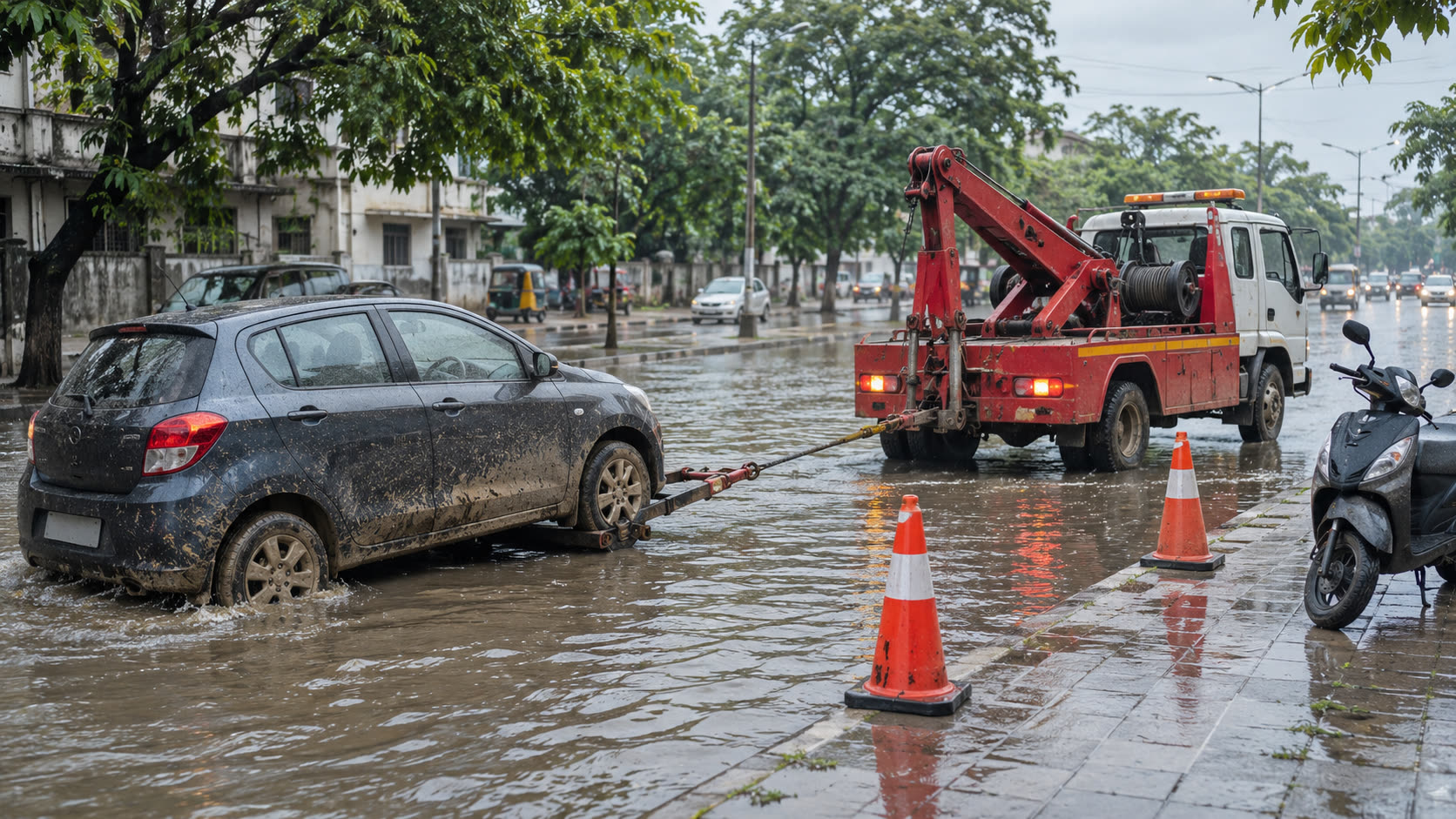
+Digit linked the slower average partly to two rounds of flooding in Gujarat. The company said more than five districts were affected and that it settled 2,109 motor claims by the end of H1 FY27, equal to 72.5% of the flood motor claims it had received. It reported ₹28.5 crore paid against those claims during the same period.
+The report describes several operational pressures behind the result: vehicles that could not be reached, crowded garages and a higher need for physical surveys. Digit said home surveys covered 45% of customers in the flood response and that a claims team of more than 65 people worked across field and back-office operations. It also cited automated registration-certificate checks through Vahan and Parivahan and towing assistance as part of the response.
+Some total-loss cases involving vehicles with an active loan required additional coordination with lenders, according to the report. That is relevant for financed cars and two-wheelers because ownership, hypothecation and settlement paperwork can add a separate document-verification step.
+ +What the newer process is meant to do
+Digit said it has introduced speech-to-text during vehicle inspections. The stated aim is to help assessors record findings faster for straightforward claims and issue work orders to garages sooner. Elets reported the same link between the tool and the rise in repair-approval time, while noting that the company has not claimed the technology removes every cause of delay.
+This is an operational change, not a change to what a policy covers. Whether an insurer approves a claim still depends on the policy wording, the loss circumstances, evidence, admissibility checks and any applicable exclusions. The report gives no basis for assuming that the new process will shorten every claim or change an individual’s entitlement.
+ +What policyholders can track after a claim
+-
+
- First notice of loss: Record when the claim was intimated and retain the claim number. Digit’s work-approval clock begins at that first notice. +
- Inspection status: Check whether the assessment is being completed digitally or requires a physical survey, and note any pending photographs, documents or re-inspection request. +
- Repair-order status: Confirm whether the admissibility review is complete and whether the garage has received the repair order. This separates approval delay from later parts or repair delays. +
- Financed-vehicle documents: Registration or nomination changes may involve hypothecation records or a lender’s no-objection certificate. The report says the average time for these retail motor changes rose from 10 minutes to 22 minutes in H1 FY27. +
For a broader explanation of what third-party, own-damage and personal-accident sections do, readers can use FuelPrice’s motor-insurance cover guide. Renewal timing, no-claim bonus treatment and policy-term comparisons are covered in the multi-year versus annual motor-insurance guide.
+ +What the report does—and does not—show
+The disclosure is valuable because insurer-level turnaround figures are not commonly published in this detail. It shows where one insurer’s service moved during a six-month period that included severe weather claims, and it identifies the process changes being tested. It does not compare insurers, establish a universal claims deadline or indicate that a particular cover is suitable for every vehicle.
+Drivers reviewing how cover is separated before the next renewal can also read FuelPrice’s four-layer motor-insurance explainer. The practical check is to match the policy schedule, exclusions, claim-intimation process and required documents with the vehicle’s actual use, rather than treating a single insurer’s average as a guaranteed outcome.
+ +What to watch next
+The next useful measure will be whether Digit’s inspection speech-to-text process is followed by a lower repair-approval average in a comparable reporting period. For vehicle owners, the more immediate signal is the clarity of status updates: when the claim was logged, whether the survey is complete, whether the garage has the work order and which document, if any, is holding up the next step.
+ +Sources
+-
+
- Go Digit, “Digit Insurance Settles Over 6 Lakh Claims in H1 FY27; Health Cashless Approvals Average 25 Minutes”, 16 Nov 2026 +
- Elets BFSI, “Digit Insurance Deploys AI to Speed Up Motor Claim Approvals”, 22 Nov 2026 +
- Business Standard, “Digit Insurance Settles Over 6 Lakh Claims in H1 FY27; Health Cashless Approvals Average 25 Minutes”, 26 Nov 2026 +
This article is for general information only and is not financial, insurance or legal advice.
+