India’s electric-vehicle industry is on course to become a ₹20 lakh crore market by 2030, Union Road Transport and Highways Minister Nitin Gadkari has said, signalling the scale of investment, jobs and charging infrastructure the transition is expected to bring.
Why the projection matters
EV penetration in passenger vehicles has already crossed 5% in 2026, helped by steadily rising petrol and diesel costs and a growing choice of models. A market of this size implies a rapid build-out of public charging, battery manufacturing and financing — the pieces that currently make range and charging availability the biggest questions for buyers.
Thinking about going electric?
The real-world case for an EV comes down to how much you drive and where you can charge. Before switching, compare your current running cost with our fuel cost calculator, and when you plan a route, our trip cost calculator shows an EV charging estimate and likely charging stops alongside the petrol and toll cost — so you can see the trade-off for your own journeys, not just the averages.
Based on public remarks by Union Minister Nitin Gadkari; the 2030 figure is a projection and actual growth will depend on policy, prices and infrastructure.
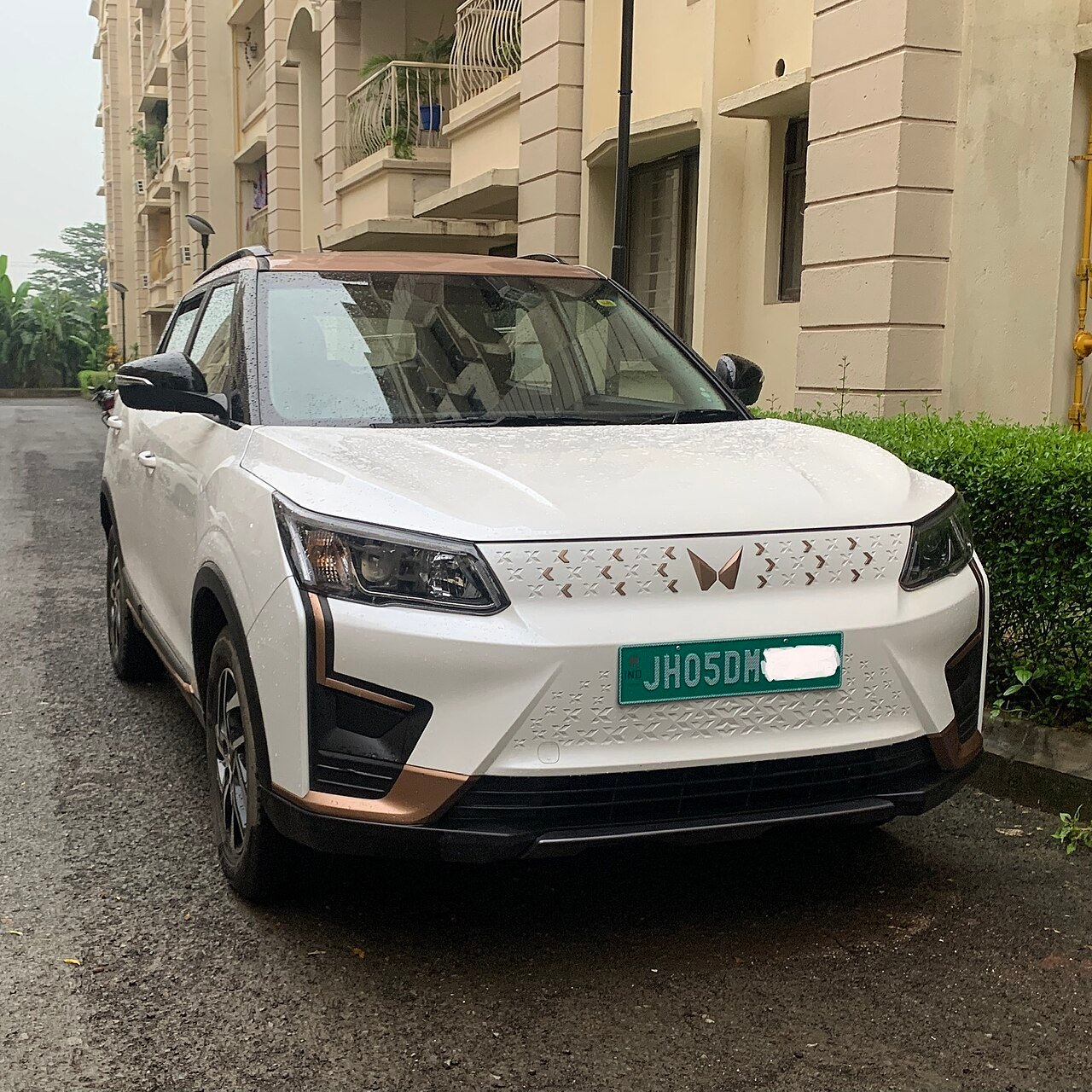
Image: Ank Kumar via Wikimedia Commons (CC BY-SA 4.0)