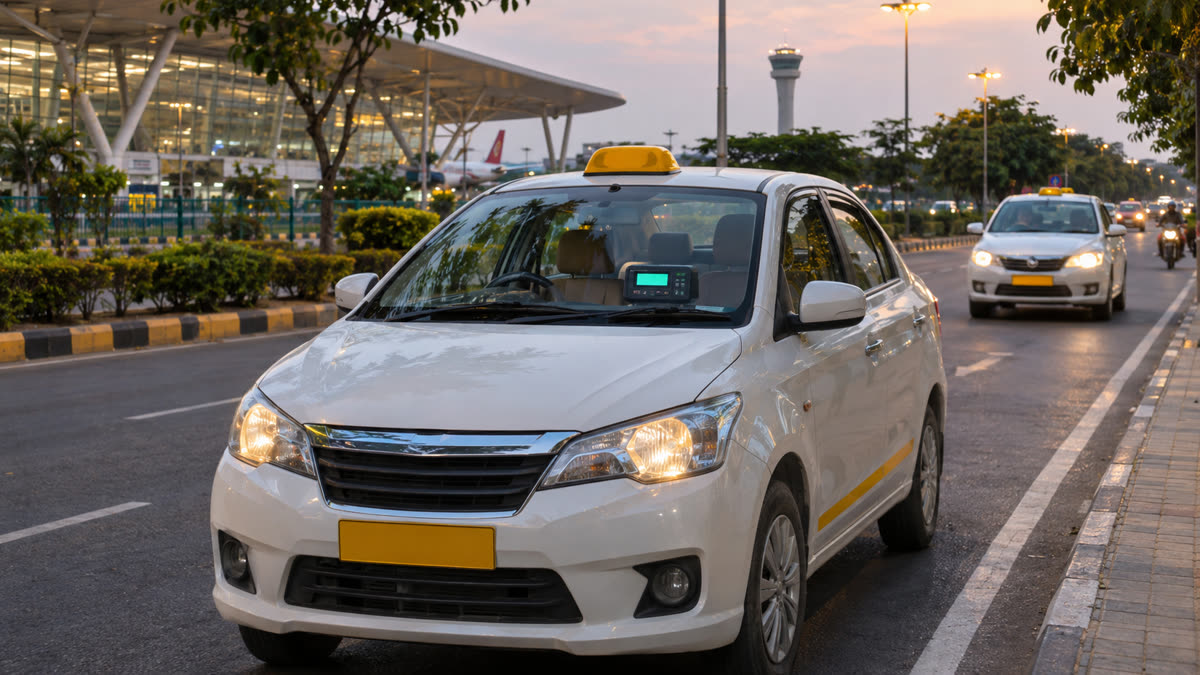
Karnataka has announced plans to require digital fare meters in app-based cabs, private taxis and autorickshaws from the New Year, a move that could change how Bengaluru passengers verify fares. The announcement is still a proposal: the state has not published the final rules, effective date or a revised fare schedule, so existing app fares have not automatically changed.
Transport Minister Byrathi Suresh told reporters in Bengaluru on 16 Nov 2026 that taxis linked to Ola and Uber, other private taxis and autorickshaws would have to install digital meters. NDTV, carrying an Indo Asian News Service report, said the government is preparing rules and legislation and that vehicles without meters could be seized after the new rules take effect. The Indian Express separately reported that the framework is being prepared and that app-based taxi companies would have to charge the fares fixed by the government.
Key takeaways
- The meter requirement is planned for the start of 2027, but no exact start date has been notified.
- The proposal covers app-based cabs, private taxis and autorickshaws; the final categories will depend on the formal rules.
- A meter mandate is not the same as a fare cut. The government has not announced a new fare card with this proposal.
- Airport journeys are expected to be an early enforcement focus, according to the minister's statement reported by NDTV.
- Passengers should watch for the Gazette or Transport Department notification before treating the proposal as an operative rule.
What Karnataka announced on 16 Nov
The minister's announcement is aimed at bringing app-based taxi pricing under the state's notified fare framework. The stated concern is that aggregators can set or vary fares without the same meter-based reference used by conventional taxis and autorickshaws. Suresh said the planned rule would apply broadly rather than only to one app.
The reports describe implementation as coming from the New Year or soon after the rules are finalised. That wording should not be read as a fixed legal deadline. A binding change would normally need the applicable rule, notification or order to identify the vehicles covered, the meter standard, the fare table and the enforcement mechanism. Until that document is issued, a passenger should not assume that a driver can reject the app fare solely because a proposed meter rule has been announced.
What could change for passengers
If the proposal becomes law in its reported form, passengers could have two fare references at the end of a trip: the amount shown in the booking app and the amount calculated by the approved meter. The final rule will need to explain which figure governs, how waiting time and distance are calculated, and whether airport, luggage or other notified charges can be added.
Those details matter more than the presence of a screen on the dashboard. A digital meter can improve visibility without automatically making a ride cheaper. The announcement does not set a lower fare, cap surge pricing, or say that every app booking will be replaced by a street-hail meter transaction. It is therefore too early to promise savings or predict a specific passenger fare.
Airport travellers are a particular focus of the plan. The minister said the department would target vehicles operating to and from the airport, but the exact inspection process was not published with the announcement. Passengers using a cab for an airport or railway-station trip can preserve the booking screen, the final receipt and any extra-charge breakdown until the state clarifies how app and meter records will be reconciled.
Why the meter proposal matters
The proposal could make fare disputes easier to document if the meter, app and receipt are required to show the same journey details. It could also create a common compliance burden for vehicles operating under different permits and business models. An airport taxi, an app-booked sedan, a tourist vehicle and an autorickshaw may not currently use the same fare rules, so the notification will need to define the scope carefully.
The practical question is not only whether a meter is installed. It is whether the meter is approved, calibrated, sealed, visible to the passenger and connected to a receipt that identifies the route and charges. The rule will also have to explain who pays for installation and what happens to vehicles whose permits or fitness certificates are due for renewal.
What existing Karnataka rules already say
The Government of Karnataka's Tumakuru RTO page reproduces the state's motor-vehicle rules and the duties of drivers of metered taxis and autorickshaws. Those duties include keeping the fare meter in working order, not extracting more than the legally due fare, starting the meter only when the cab is hired and stopping it when the cab reaches the destination.
That existing framework provides a useful baseline, but it does not answer every question raised by app bookings. The forthcoming order will be important because it must translate the meter obligations into an aggregator setting where a fare is often shown before the trip and payment is made digitally after it.
What drivers and fleet operators should watch
- Coverage: whether the final order applies across Karnataka or only in notified cities and whether it distinguishes app cabs, airport taxis, tourist cars and autorickshaws.
- Technical compliance: the approved meter type, calibration and sealing process, display position and inspection interval.
- Fare integration: whether the app estimate, meter total and digital receipt must match, and how waiting, tolls and airport charges are recorded.
- Enforcement: the start date, inspection authority, penalties and the circumstances in which a vehicle can be detained or seized.
Until those points are published, the minister's statement is a policy announcement rather than a complete compliance checklist. Operators and passengers will need the formal notification to know what changes on a particular date.
The fuel and trip-cost angle
A meter rule could make the passenger fare easier to audit, but it does not by itself change the cost of running a taxi. Drivers and fleet owners comparing routes can use the fuel cost calculator to separate fuel expenditure from the fare collected. Passengers planning an airport or outstation journey can use the road-trip planner to estimate route distance and time before comparing the quoted cab fare.
What happens next
The next meaningful development will be a formal Karnataka Transport Department or Gazette notification. It should state the effective date, covered vehicle classes, government fare table, meter specifications and enforcement process. Until that happens, the New Year target remains expected rather than confirmed in force, and passengers should treat current app fare screens and receipts as the operative record for their booked journey.
Sources
- NDTV — Karnataka To Make Digital Metres Mandatory For Ola, Uber Cabs From 2027 — 16 Nov 2026
- The Indian Express — Karnataka to ban half-helmets, mandate meters for app-based taxis: Minister — 16 Nov 2026
- Government of Karnataka, Tumakuru RTO — Karnataka Motor Vehicles Rules, 1989 and driver duties — accessed 17 Nov 2026