The Kerala High Court has warned Kerala officials that delays in implementing its road-safety directions will not be tolerated. The development matters to motorists, bus commuters and fleet operators because the court is pressing the state to coordinate enforcement, monitor dangerous stretches and create a driver-profiling system, although it has not announced an immediate new toll, fuel or private-car rule.
Key takeaways
- The court's latest compliance warning was reported on 29 Oct 2026 after an order dated 15 Oct 2026.
- Kerala's proposed Integrated Road Safety Monitoring Platform is intended to connect road-safety information across agencies and track action on reported defects.
- The Transport Department has been given 90 days from the 24 Sep 2026 directions to set driver-profiling parameters, review thresholds, counselling and training procedures, and action for repeat offenders.
- Public-transport vehicles are not to change lanes abruptly or overtake, while private-bus schedules are to be reviewed with stakeholders.
- The next hearing is listed for 3 Nov 2026; the directions are for Kerala agencies and are not a nationwide change in toll or fuel pricing.
What triggered the latest warning
The High Court is monitoring a suo motu road-safety proceeding involving the state and agencies responsible for transport, roads, policing, health and public infrastructure. The Times of India reported on 29 Oct that the bench of Justices V Raja Vijayaraghavan and K V Jayakumar had warned senior officials about delays in carrying out the earlier directions.
The report said an order dated 15 Oct made the Chief Secretary the nodal authority for coordinating compliance with the court's 24 Sep directions. The court asked the departments and agencies involved to be ready with the steps taken, the officers responsible and the timelines for completion. It also said that the existence of multiple authorities could not be used to defer action or pass responsibility between departments.
That is an implementation update, not a new offence notification. The court has asked agencies to show how the directions are being carried out; the public-facing effect will depend on the notifications, systems and enforcement processes that the state actually puts in place.
What Kerala has been asked to build
An integrated monitoring platform
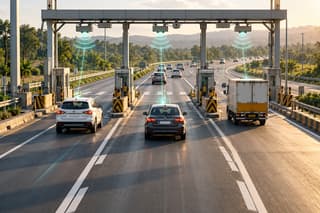
The 24 Sep order calls for a state-wide, GIS-enabled Integrated Road Safety Monitoring Platform linking systems used by the Public Works Department, Motor Vehicles Department, Kerala Police and other agencies. The purpose is to give road-safety complaints a trackable path from identification to rectification, rather than leaving a pothole, black spot or other hazard with no clear owner.
The court's directions cover more than driving behaviour. They address road design and maintenance, signs and lane markings, construction and utility work zones, hazardous electrical installations, black-spot treatment and emergency response. A technology platform can help record a location and responsible authority, but it does not by itself repair a road or change a bus timetable; those actions still require departmental follow-through.
A driver-profiling system
The order directs the Transport Department to create a centralised, state-wide registry for public and heavy-vehicle drivers. The categories named in the order include private-bus, school-bus, stage-carriage, contract-carriage and heavy-goods-vehicle drivers, subject to privacy and data-protection requirements.
The proposed system is meant to be more than a list of licence details. The court said the department should prescribe parameters for profiling, thresholds for automatic review, counselling and training procedures, and measures involving repeat offenders, vehicle owners and permit holders. The 90-day period is a deadline for setting those parameters; it is not a statement that every driver will automatically lose a licence after a particular number of violations.
Bus scheduling and lane discipline
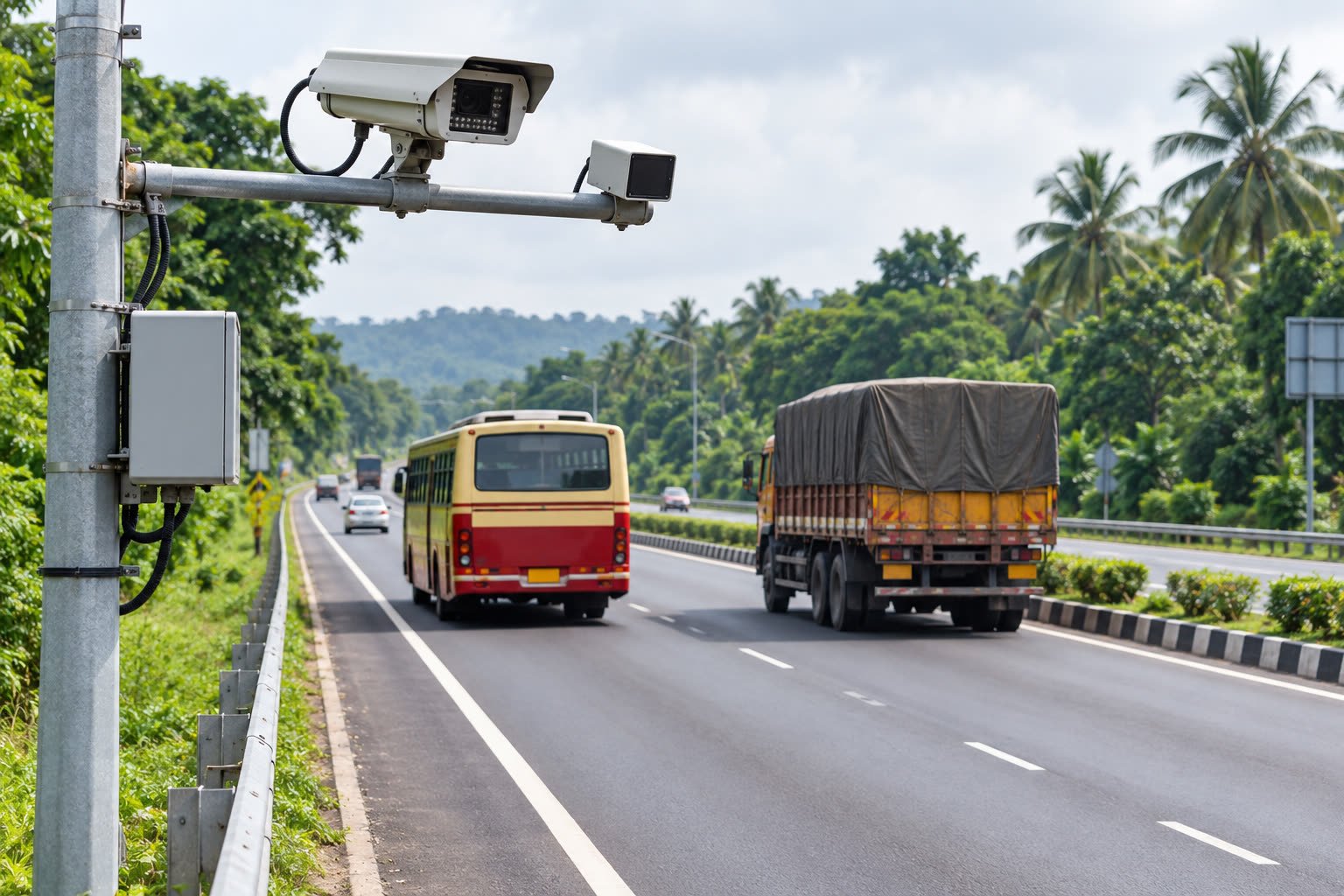
The court also directed that public-transport vehicles should not change lanes abruptly or overtake. It asked the Transport Commissioner to consult stakeholders on private-bus operations and review whether schedules are realistic, with the aim of developing a more scientific running schedule. This matters because a timetable that leaves too little time for traffic, stops and road conditions can create pressure to speed or race for passengers.
What this means for everyday road users
For Kerala commuters, the practical promise is better accountability around known hazards and repeat dangerous driving, not an instant change to the cost of a journey. If the monitoring platform is implemented, a reported road defect could be assigned to a department, given a timeline and reviewed for completion. If driver profiling and bus-schedule reforms are implemented, enforcement could focus more consistently on repeat-risk patterns rather than treating each incident in isolation.
Truck and fleet operators should watch the Motor Vehicles Department's future implementation details, especially the information collected, the authorised users of the registry and the process for review or training. The court order does not itself publish a new national permit fee, toll rate or fuel-price change. It also does not make every private motorist subject to a new profiling system at this stage.
What drivers should check now
- There is no immediate fuel or toll-price change in this order. For a planned Kerala journey, use the toll-charge calculator to separate toll outlay from other trip costs.
- For a longer trip, the road-trip planner can help organise stops and route timing while agencies work through any safety-related updates.
- Fuel remains a separate cost from road-safety compliance. The fuel-cost calculator can help estimate the petrol or diesel portion of a trip using the vehicle and route assumptions entered.
- Watch for official Kerala Transport Department or police notices before treating a future platform, driver-profiling process or bus-operation change as active.
What to watch next
The next clear checkpoint is the High Court's listed hearing on 3 Nov 2026. The useful question will be whether each department can identify a responsible officer, give a workable completion timeline and show evidence of action on the court's earlier directions.
For drivers and passengers, the distinction between an order and an implemented system is important. A court-directed platform may improve visibility of road hazards, but it will deliver a safety benefit only when complaints are acted on, dangerous stretches are corrected, and enforcement data is used lawfully and consistently. Until the state publishes those operational details, the current development should be read as a compliance warning and a timetable for government action, not as a new nationwide driving rule.
Reader takeaway
Kerala's High Court has moved the road-safety discussion from broad assurances to named agencies, deadlines and reporting duties. Motorists do not need to change toll or fuel payments because of this update, but bus commuters, heavy-vehicle operators and regular highway users should watch the 3 Nov review and subsequent state notices for the details that turn the court's directions into working systems.
Sources
- The Times of India — “Delay in implementing court-ordered road safety measures: Kerala HC warns officials”, 29 Oct 2026.
- India Today — “Kerala High Court urges AI alerts to curb deadly speeding crashes”, 15 Oct 2026.
- LiveLaw — “Driver Profiling, Online Monitoring Platform, Private Buses Regulation: Kerala High Court Issues Slew Of Directions To Improve Road Safety”, 25 Sep 2026.
- Kerala High Court — W.P.(C) No. 15090 of 2020, order dated 24 Sep 2026.