Latest Fuel News

Recent fuel, transport and policy updates, in a clear and scan-friendly format.

Kanpur-Kabrai NH-34 Highway Cleared At Rs 7,145 Crore: Why The BOT Toll Corridor Matters For Freight

01 Jul, 2026

Kanpur-Kabrai NH-34 Highway Cleared At Rs 7,145 Crore: Why The BOT Toll Corridor Matters For Freight

The Cabinet has approved a Rs 7,145.14 crore, 117.7-km access-controlled greenfield highway between Kanpur and Kabrai on NH-34 in Uttar Pradesh. The BOT toll project is designed to cut travel time from 3.5 hours to 1.5 hours, strengthen links to the Kabrai mining belt and Bundelkhand corridor, and lower logistics friction for freight, construction material and agricultural movement.

India Resets Export Duty On Petrol, Diesel And ATF From July 1: Why Refiners, Airlines And Fuel Users Should Watch It

02 Jul, 2026

India Resets Export Duty On Petrol, Diesel And ATF From July 1: Why Refiners, Airlines And Fuel Users Should Watch It

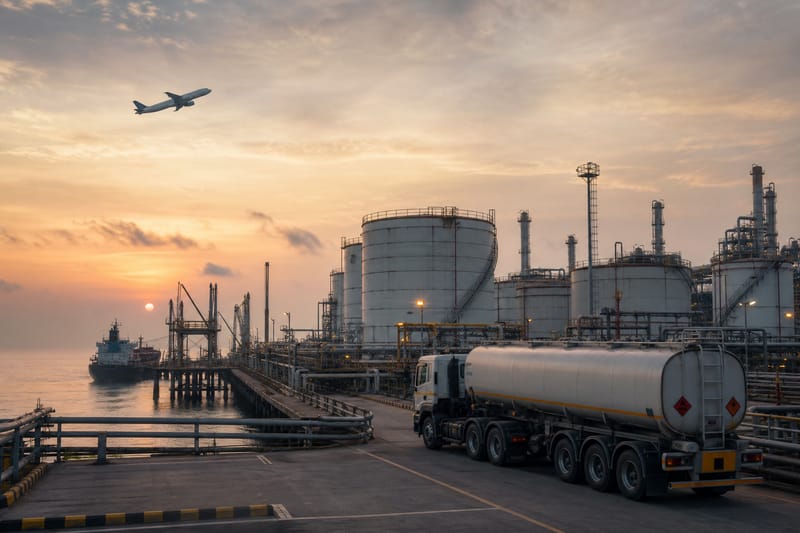
India has reset windfall-linked export duties from July 1, 2026 by raising the levy on petrol exports to Rs 4 per litre while cutting diesel and aviation turbine fuel export duties to Rs 8.50 and Rs 7.50 per litre respectively. The move matters because it changes refining economics, export incentives and the downstream pressure points that can eventually shape domestic fuel availability, airline costs and broader transport pricing.

Commercial LPG Down Rs 183.50, ATF Cheaper By Rs 5: What July Relief Means

02 Jul, 2026

Commercial LPG Down Rs 183.50, ATF Cheaper By Rs 5: What July Relief Means

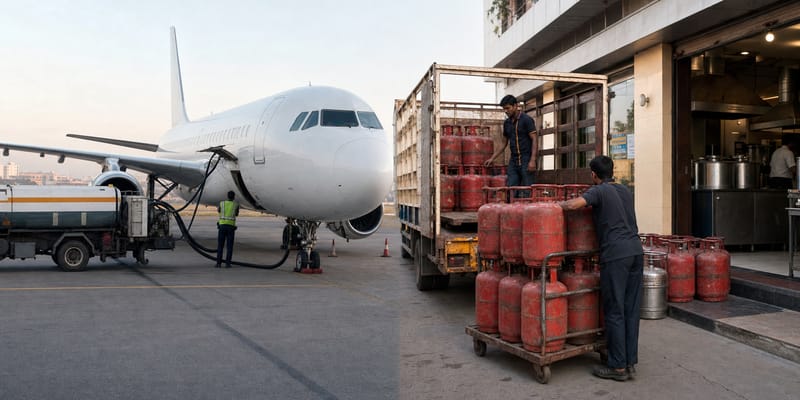
State-run oil companies cut the 19-kg commercial LPG cylinder price by Rs 183.50 from July 1, 2026 and reduced aviation turbine fuel by Rs 5 per litre to about Rs 110 in Delhi. The move offers relief to restaurants, hotels and airlines, but household LPG, petrol and diesel users are still waiting.

India Lifts Petrol, Diesel Sale Curbs From July 1: What It Means For Commercial Buyers

01 Jul, 2026

India Lifts Petrol, Diesel Sale Curbs From July 1: What It Means For Commercial Buyers

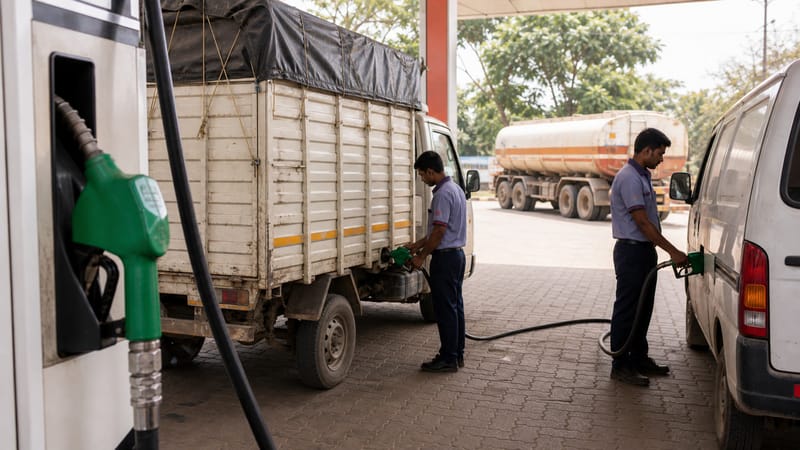
India has lifted the temporary June 2026 restrictions that blocked commercial buyers from purchasing petrol and diesel at retail pumps and capped diesel sales at 200 litres per customer or vehicle per day. The rollback restores normal access from July 1, 2026, but the bigger takeaway for transporters, industrial users and ordinary motorists is what it says about supply stress, pricing pressure and the government’s confidence in domestic fuel availability.

Tata Motors Plans Rs 40,000 Crore FY31 Investment: Why Its EV And CNG Push Matters For Buyers

24 Jun, 2026

Tata Motors Plans Rs 40,000 Crore FY31 Investment: Why Its EV And CNG Push Matters For Buyers

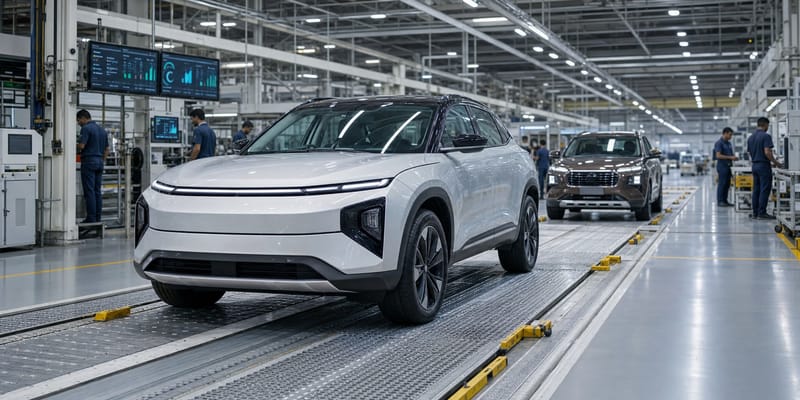
Tata Motors Passenger Vehicles is planning to invest Rs 37,500-40,000 crore over the next five years, up to FY31, as it targets a bigger production base, more models and annual sales of over 1.2 million units. ET also reported that the company wants revenue to cross Rs 6 lakh crore by FY31 with a 10 percent EBIT margin, with EVs and CNG models doing much of the heavy lifting. For buyers, the story is less about balance-sheet ambition and more about what kind of cars Tata wants to sell next.

Petrol, Diesel Rates May Ease As Cheaper Crude Arrives: What Hardeep Puri’s Signal Means For India

23 Jun, 2026

Petrol, Diesel Rates May Ease As Cheaper Crude Arrives: What Hardeep Puri’s Signal Means For India

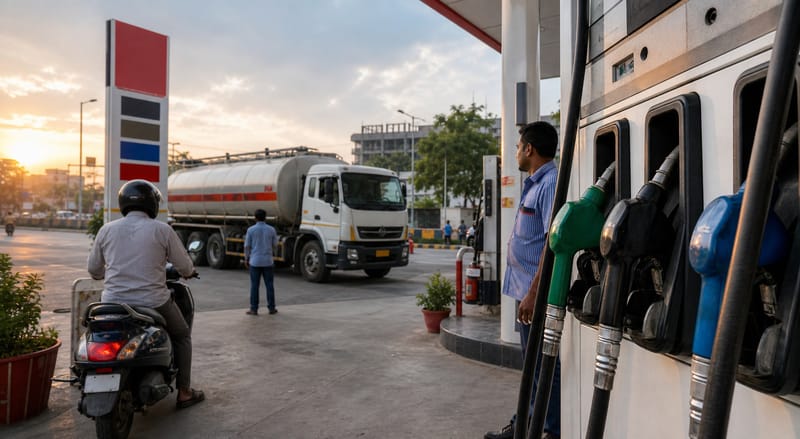
Union Petroleum Minister Hardeep Singh Puri says petrol and diesel rates in India may ease once recently bought cheaper crude reaches refiners, after global oil prices cooled and Brent slipped below $80 a barrel. The signal matters because India imports most of its crude, so any sustained fall can filter through to motorists, freight users and inflation. But the relief is unlikely to be immediate, because fuel prices depend on inventory cycles, logistics and how quickly oil companies pass on lower input costs.

Petrol, Diesel Rates May Ease As Cheaper Crude Arrives: What Hardeep Puri’s Signal Means For India

23 Jun, 2026

Petrol, Diesel Rates May Ease As Cheaper Crude Arrives: What Hardeep Puri’s Signal Means For India

Union Petroleum Minister Hardeep Singh Puri says petrol and diesel rates in India may ease once recently bought cheaper crude reaches refiners, after global oil prices cooled and Brent slipped below $80 a barrel. The signal matters because India imports most of its crude, so any sustained fall can filter through to motorists, freight users and inflation. But the relief is unlikely to be immediate, because fuel prices depend on inventory cycles, logistics and how quickly oil companies pass on lower input costs.

Toyota Ebella Deliveries Begin In India: Why The ₹23.6 Lakh E3 Matters For EV Buyers

19 Jun, 2026

Toyota Ebella Deliveries Begin In India: Why The ₹23.6 Lakh E3 Matters For EV Buyers

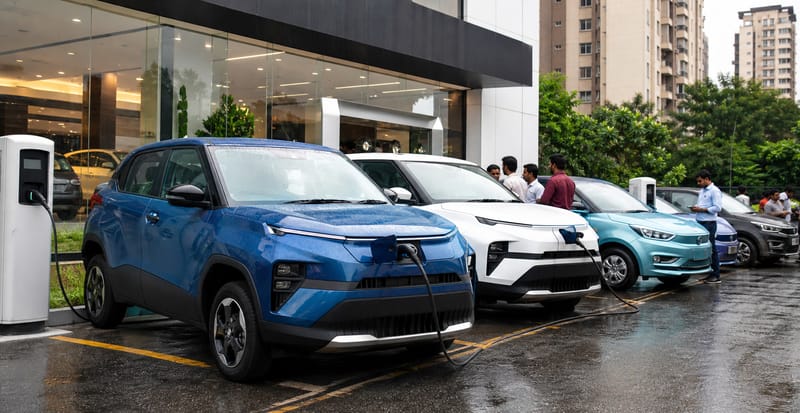
Toyota has started deliveries of the Urban Cruiser Ebella electric SUV in India, turning the model from launch headline into a real-world ownership story. The top-spec E3 is priced at Rs 23.60 lakh ex-showroom, while Toyota is also offering a Battery-as-a-Service route that lowers the entry price to Rs 15.25 lakh and charges Rs 4.99 per km for battery use. For EV buyers, this is the point where Toyota’s first mass-market electric SUV begins proving itself on the road.

Delhi Wants E-Autos, But Drivers Want Charging First: Why The Capital’s EV Push Needs More Than Permits

18 Jun, 2026

Delhi Wants E-Autos, But Drivers Want Charging First: Why The Capital’s EV Push Needs More Than Permits

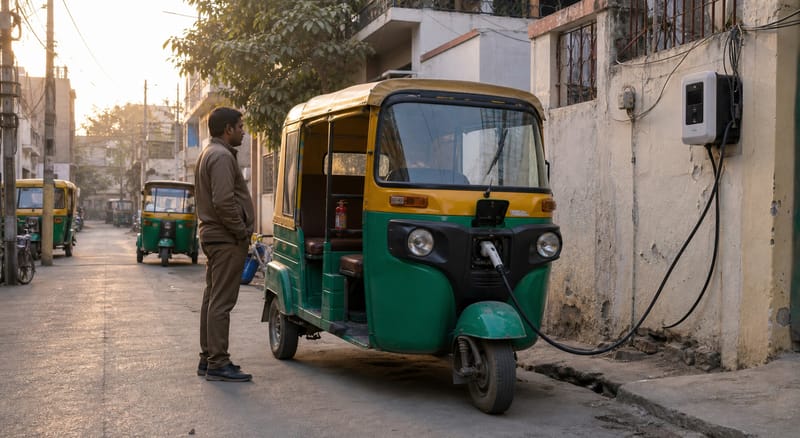
Delhi’s draft EV Policy 2.0 is trying to accelerate the shift to electric three-wheelers, including e-autos, but drivers say the capital is not ready yet. In Burari and other parts of the city, operators are still losing hours to charging, coping with home-connection upgrades and dealing with a permit system that has barely moved in more than a year. The debate is no longer about whether Delhi wants e-autos; it is about whether the charging ecosystem can keep up.

Bolt.Earth And ChargeZone Launch Interoperable EV Charging Network With 1,500+ Fast-Charging Points

18 Jun, 2026

Bolt.Earth And ChargeZone Launch Interoperable EV Charging Network With 1,500+ Fast-Charging Points

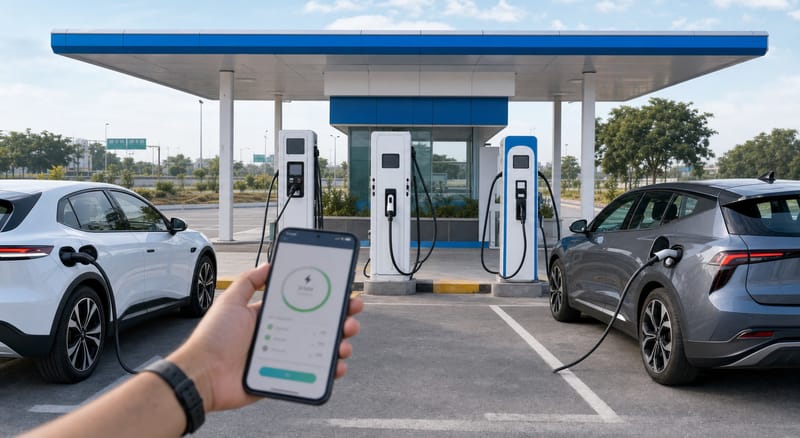
Bolt.Earth and ChargeZone have announced a partnership that makes their EV charging networks interoperable across India. The move gives drivers access to more than 1,500 fast-charging locations through a single app, removing one of the biggest headaches in EV ownership: switching between multiple platforms to find, unlock and pay for chargers. The shift does not change battery technology, but it could make EV ownership noticeably simpler and more practical.