Mahindra & Mahindra will reorganise its automotive leadership from 1 April 2027, with Shuchi Suri taking charge of automotive sales and marketing. The change also brings customer care, accessories and electric-vehicle charging infrastructure into her reported remit, making it relevant to how Mahindra customers and EV owners may experience the brand over time.
The company’s 5 November 2026 stock-exchange filing formally confirms Suri’s transition to Chief Sales & Marketing Officer – Automotive Business from 1 April 2027. Independent auto-industry reports say automotive division CEO Nalinikanth Gollagunta will move to a group-level corporate-development role on the same date. The announcements do not represent an immediate price, product or charging-fee change.
Key takeaways
- Shuchi Suri will become Mahindra’s Chief Sales & Marketing Officer for the automotive business from 1 April 2027.
- Her reported responsibilities include sales, marketing, customer care, charging infrastructure and accessories.
- Nalinikanth Gollagunta is reported to be moving from automotive leadership to Mahindra Group corporate development.
- No new vehicle price, loan rate, subsidy or charging tariff has been announced as part of this reorganisation.
What Mahindra has confirmed
Mahindra’s regulatory filing, issued after its board meeting on 5 November 2026, says Suri will transition from Executive Vice-President – Mahindra Experiences to Chief Sales & Marketing Officer – Automotive Business with effect from 1 April 2027. The filing is the primary confirmation of her new role and effective date.
The filing does not set out a new vehicle programme or any change to customer pricing. It is a management disclosure under the company’s stock-exchange reporting obligations, so its immediate effect is on reporting lines rather than on the terms of a car purchase, service contract or charging session.
How the automotive team is being reshaped
Autocar Professional reported on 14 November that the automotive business will operate under R Velusamy, President of the Automotive Business, from the transition date. The report said Suri will oversee sales, marketing, customer care, charging infrastructure and accessories, while product-planning, manufacturing and the Nagpur project will report directly to Velusamy.
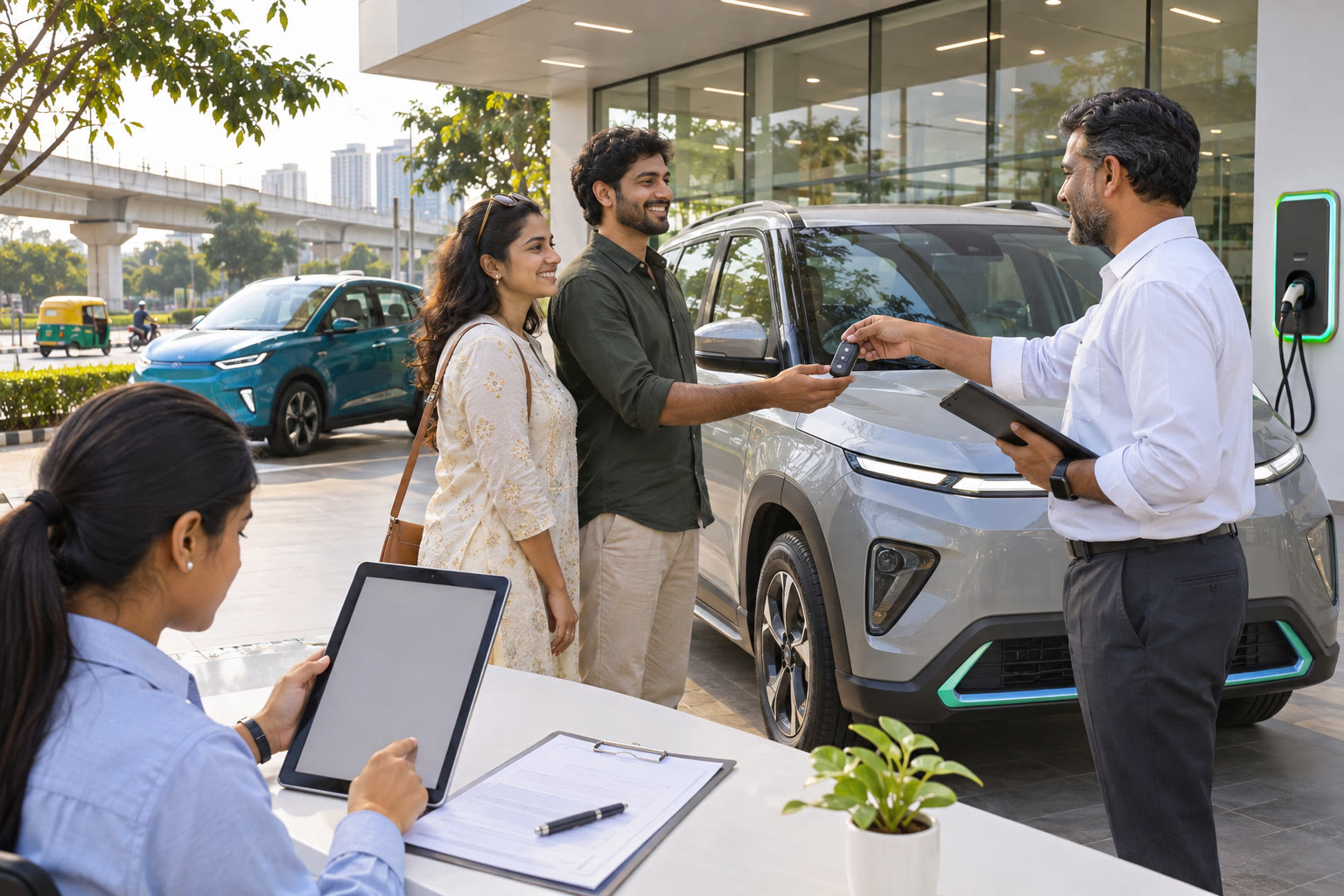
That structure puts two customer-facing parts of Mahindra’s growth plan closer together: the marketing and sales of electric SUVs, and the charging support that can influence day-to-day EV ownership. ETAuto separately reported that Suri will take the automotive sales and marketing role, while Gollagunta will become Executive Vice-President and Head of Corporate Development, reporting to Group CEO and Managing Director Anish Shah.
Mahindra has not publicly identified the strategic opportunity that Gollagunta will evaluate. Reporting on the change describes it as a potential new growth opportunity, not as a confirmed acquisition, new vehicle business or charging partnership. Keeping that distinction clear matters because a leadership mandate is not the same as an announced investment.
What it means for vehicle owners and EV users
For a current Mahindra owner, there is no announced action to take today. The new responsibilities start in April 2027, and the public material reviewed does not say that existing warranties, service arrangements, dealer contracts or charging prices will change. Any such change would need a separate company announcement or customer communication.
The reader relevance is longer term. Sales and marketing decide how models are presented and distributed; customer care shapes the handling of service and ownership issues; charging infrastructure affects the practical usability of an electric vehicle beyond its showroom specifications. With those functions grouped under one automotive sales and marketing leader, future updates may be easier to follow as a single ownership story. That is a possible organisational benefit, not a promise of faster service or wider charging access.
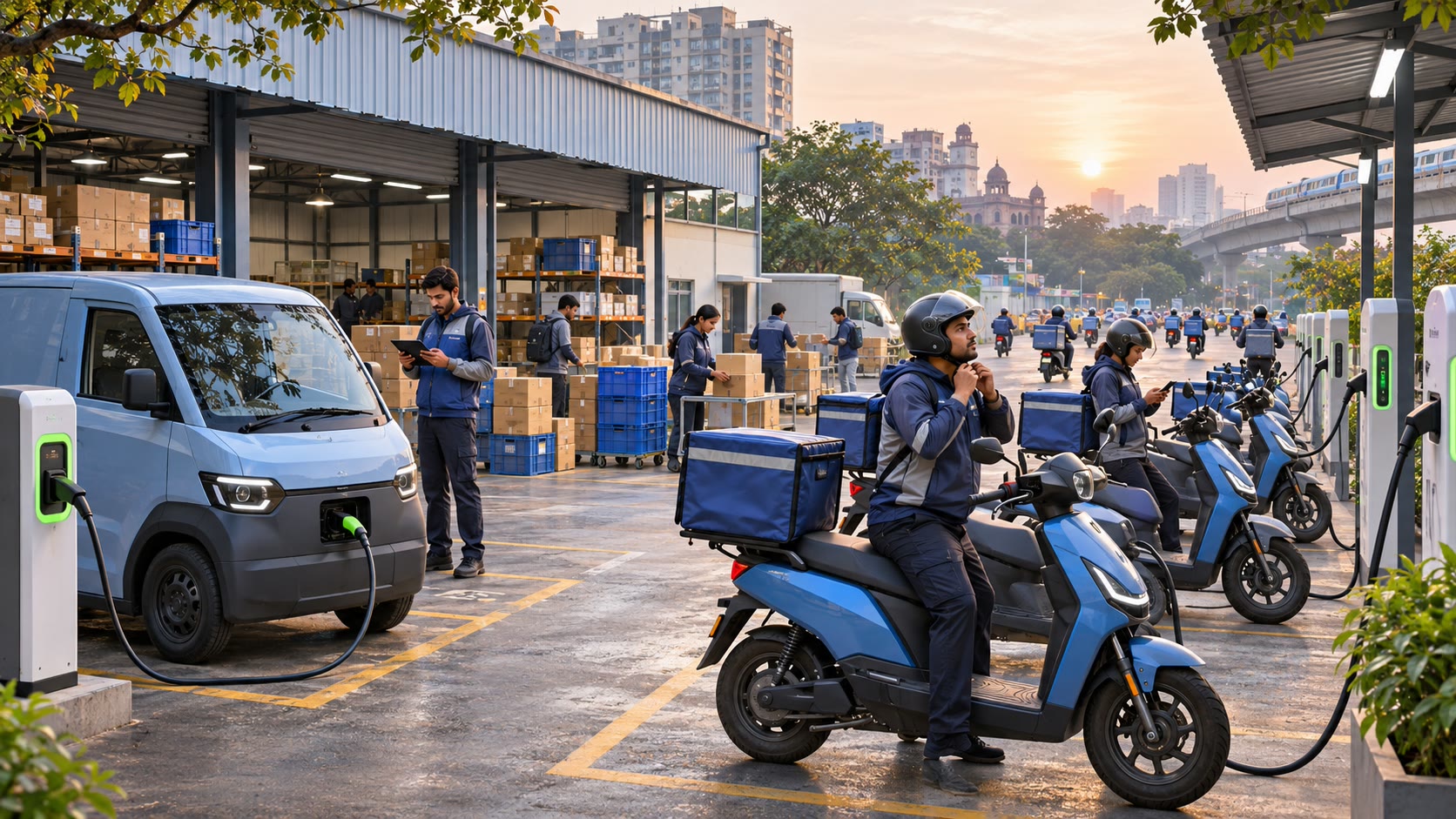
For EV shoppers, the announcement is therefore context rather than a purchase offer. It does not disclose a new Mahindra EV, a range improvement, a charging-price cut or a delivery commitment. For fleet and last-mile operators, the relevant watchpoints are the availability of charging support, response times for customer care, and any model-specific operating programmes that Mahindra may publish later.
What to watch next
The first useful follow-up will be how Mahindra communicates the transition to dealers, customers and charging partners before 1 April 2027. Readers can also watch for model-level announcements, changes in the charging network, and clearer service or accessories support for electric SUVs. Those developments would affect ownership directly; the leadership filing alone does not.
When comparing a petrol or diesel vehicle with an EV, readers can use the Fuel Cost Calculator to establish a route or monthly fuel baseline, then check the state-wise EV station directory for charging options. The comparison should use the exact model, route, electricity tariff and charging access available to the user rather than assuming that an organisational change automatically changes running costs.
The practical takeaway is straightforward: Mahindra has announced a future leadership transition, not an immediate change to what drivers pay or what vehicles are available. Suri’s combined brief will be worth following because it covers the customer and charging functions that increasingly shape EV ownership, while Gollagunta’s new group role could influence Mahindra’s longer-term growth direction.