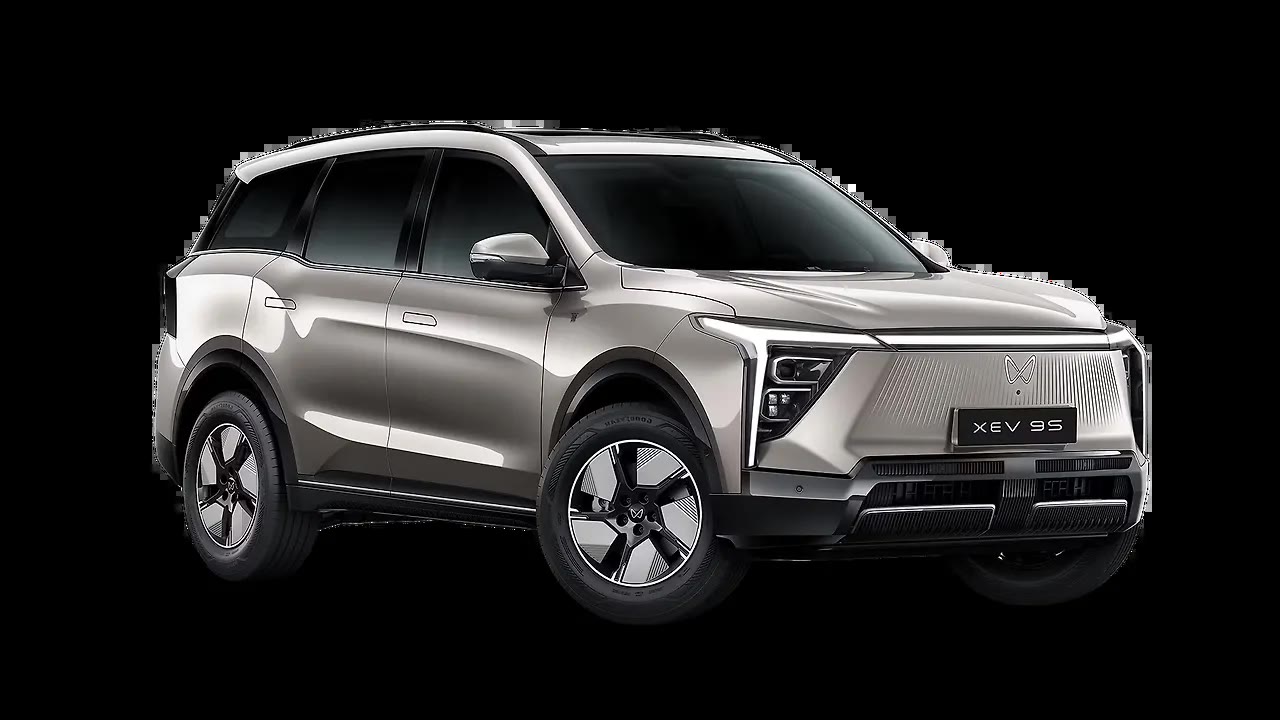
Mahindra has announced that its XEV 9S electric SUV has secured a 5-star rating in the Bharat New Car Assessment Programme (Bharat NCAP), with 76.15 points across adult and child occupant protection. The 17 Nov 2026 result gives Indian buyers a comparable safety benchmark for a three-row EV, but the exact seating layout and equipment still need to be checked on the chosen variant.
The result matters beyond the star badge because the XEV 9S is designed for family and long-distance use. It gives buyers a tested reference for occupant protection, while leaving separate questions around the selected trim, charging plan, service support and everyday running cost.
Key takeaways
- The Mahindra XEV 9S received a 5-star Bharat NCAP rating on 17 Nov 2026.
- It scored 31.15 out of 32 in adult occupant protection and 45 out of 49 in child occupant protection.
- Mahindra describes it as the first 7-seater EV to receive the top Bharat NCAP rating and the highest-scoring 7-seater tested under the programme.
- News9 identified the assessed vehicle as a six-seat XEV 9S Pack Two Above 79 kWh variant, so buyers need to confirm the exact configuration they are considering.
- Safety equipment is not identical across the range, according to independent reports; airbags and advanced driver-assistance features need a trim-level check.
What the Bharat NCAP result confirms
Mahindra’s official announcement says the XEV 9S achieved 31.15 out of 32 points for Adult Occupant Protection (AOP) and 45 out of 49 for Child Occupant Protection (COP). Together, those assessments produced a score of 76.15 points, which the company described as the highest overall score among 7-seater vehicles tested under Bharat NCAP up to the date of the release.
Autocar India independently reported the same scores and said the XEV 9S outscored the other 7-seater SUVs tested by Bharat NCAP at that point. News9 also reported 5-star protection for both adults and children. The agreement across the manufacturer release and independent reports supports the core safety result, while the detailed test performance remains more useful than the headline alone.
The two scores answer different questions
The adult-protection score relates to how the vehicle protected the driver and adult passenger in the prescribed crash assessments. The child-protection score includes the performance of child dummies and the child-restraint installation assessment. News9 reported that the tested vehicle achieved full marks in the dynamic child assessment and child-restraint installation portions, but lost points in the vehicle-assessment component.
That distinction is important for families. A 5-star rating is a strong signal from the defined test protocol, but it is not a guarantee of the outcome in every real-world crash. Occupant size, crash direction, road conditions, seat-belt use and the exact vehicle specification can all affect what happens in an incident.
Why this matters to XEV 9S buyers
The result gives the XEV 9S a clearer safety position in a market where buyers often compare electric SUVs on range, charging speed, cabin space and features first. Bharat NCAP provides an India-focused comparison point, so a buyer can place the XEV 9S’s occupant-protection performance beside another tested vehicle instead of relying only on a brochure or a brand statement.
It also helps separate safety claims from convenience claims. The XEV 9S’s equipment list includes electronic stability control, tyre-pressure monitoring and ISOFIX child-seat mounts, while higher-specification versions add more advanced driver-assistance functions. Those features can support safer driving, but their availability and operation should be confirmed for the exact variant and software configuration.
Check the variant before treating the score as a buying shortcut
One detail deserves close attention. Mahindra’s release presents the XEV 9S as a 7-seater EV, while News9’s report identifies the vehicle used for the assessment as a six-seat Pack Two Above 79 kWh version. Autocar India reported that the scores apply across the XEV 9S trims, but the seating and feature descriptions show why the order document still matters.
Before comparing an XEV 9S with another family vehicle, check these items in the exact trim sheet:
- Whether the chosen layout has six seats or seven, and how the second-row arrangement affects access to the third row.
- The number and placement of airbags. News9 reported six airbags as standard, with seven available on the Pack Three and Pack Three Above versions.
- Whether the chosen version includes the full ADAS package, including functions such as automatic emergency braking, lane-keeping support and adaptive cruise control.
- The battery-pack specification, charging hardware, warranty terms and the location of the nearest authorised service support.
- ISOFIX points, tyre-pressure monitoring and electronic stability control for the way the vehicle will actually be used.
This is not a reason to discount the rating. It is a reminder that a model-level safety result and a variant-level equipment list answer different parts of the purchase question.
Charging and trip planning remain separate checks
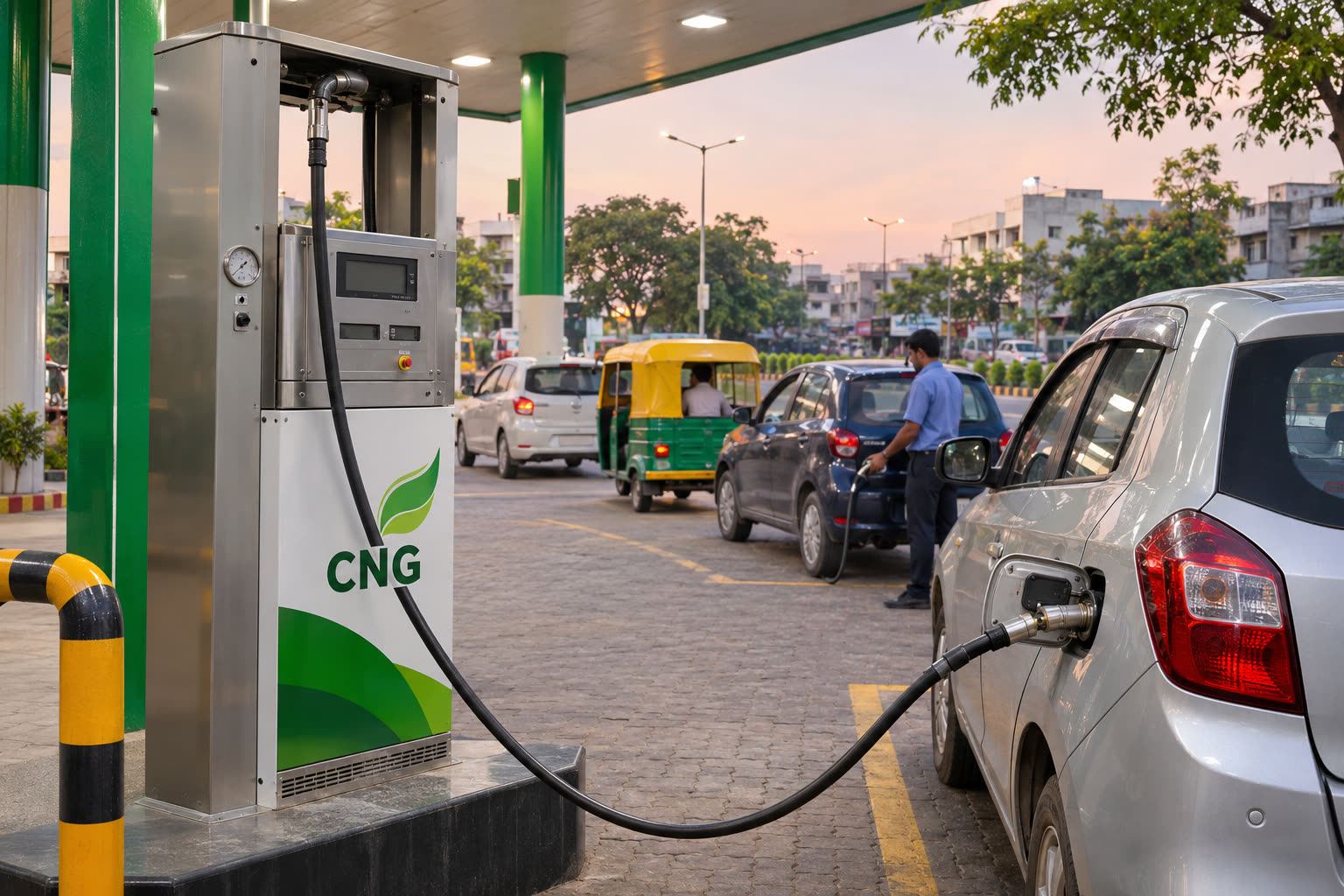
A strong crash-test result does not remove the practical work of planning an electric-SUV trip. Drivers considering the XEV 9S for inter-city travel can check the EV charging station directory for available locations and use the road-trip planner to map charging stops around the route. If an EV is being compared with a petrol or CNG vehicle for a particular journey, the fuel-cost calculator can show the conventional-fuel side of the comparison; electricity tariffs and charging fees still need separate inputs.
That practical check is especially relevant for a large family vehicle. The best safety score does not tell a driver how much time a planned charging stop will take, whether a charger is available at the destination or how the vehicle’s usable range changes with passengers, luggage, traffic and weather.
What to watch next
The next useful detail for buyers is the final test documentation and any variant-level clarification accompanying the Bharat NCAP result. It is also worth watching whether Mahindra changes safety equipment, seating availability or software features across future model-year updates. Those changes would not alter the 17 Nov 2026 rating, but they could change how a later vehicle compares with the tested specification.
Reader takeaway: The Mahindra XEV 9S’s 5-star Bharat NCAP result and 76.15-point score are meaningful safety signals for Indian EV buyers. Read them alongside the exact trim’s airbags, seating layout, ADAS availability and charging needs rather than treating the star rating as the entire ownership decision.