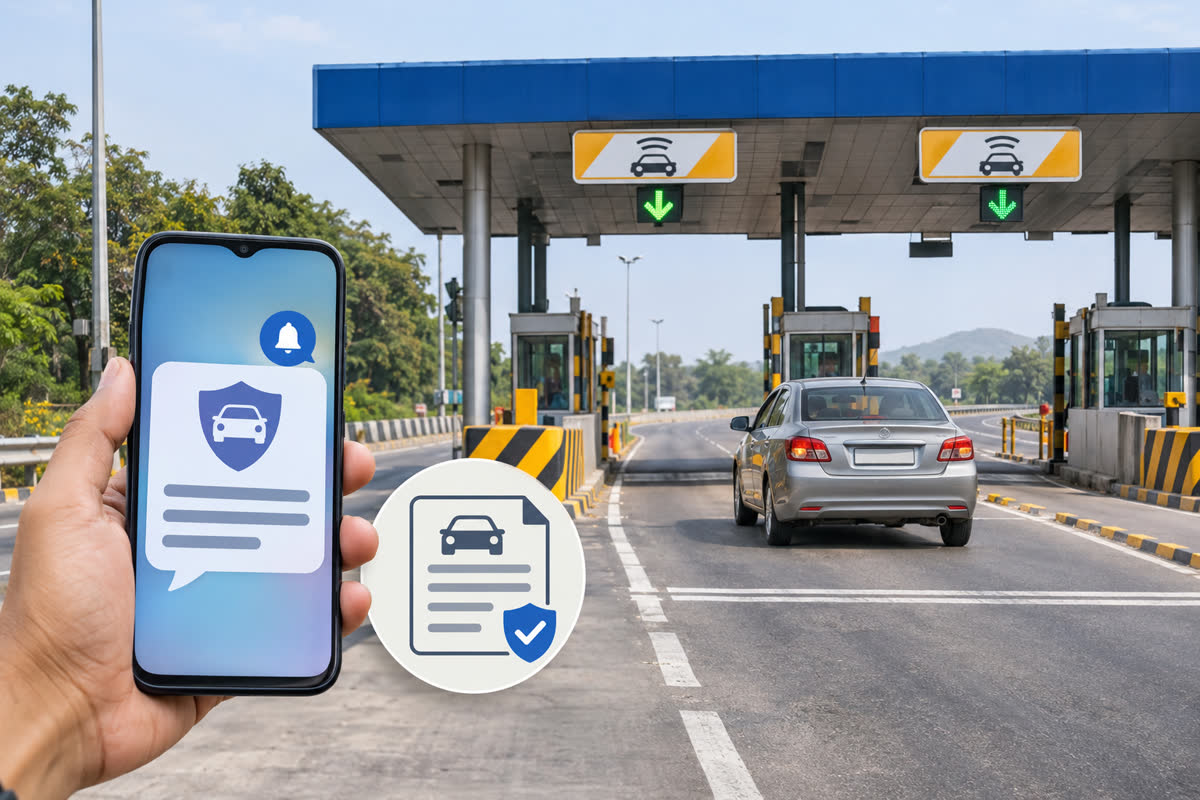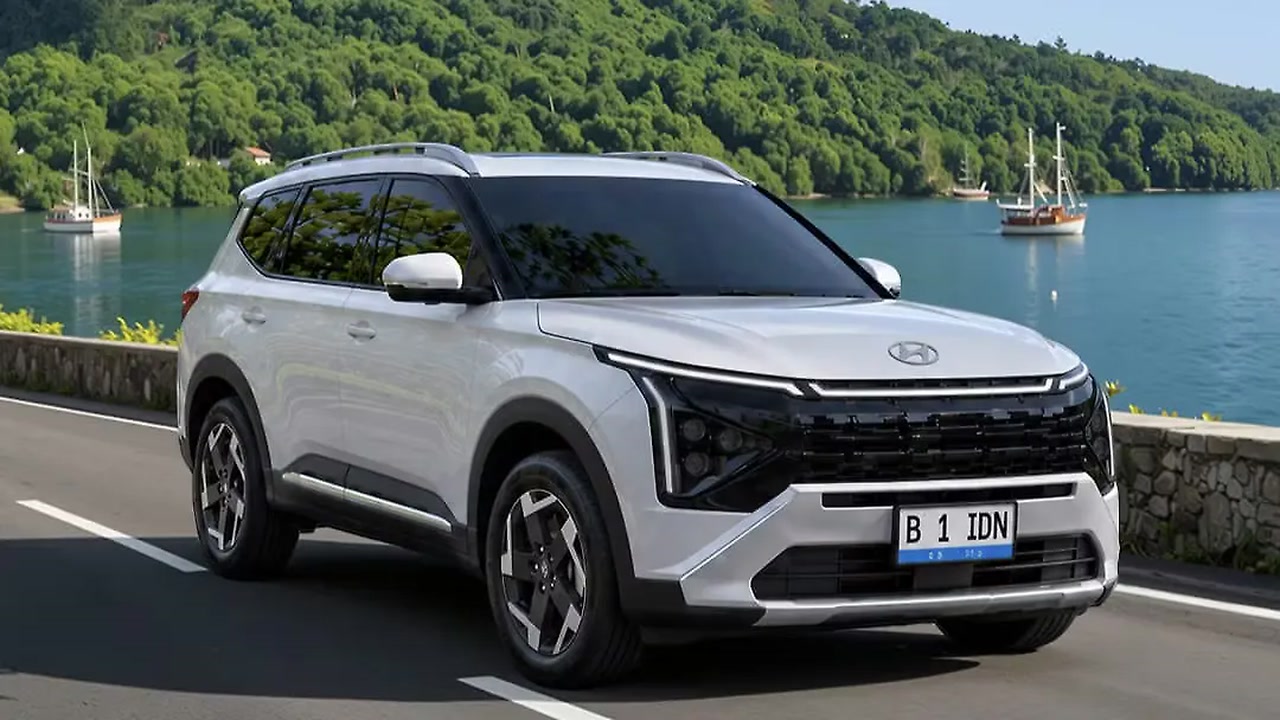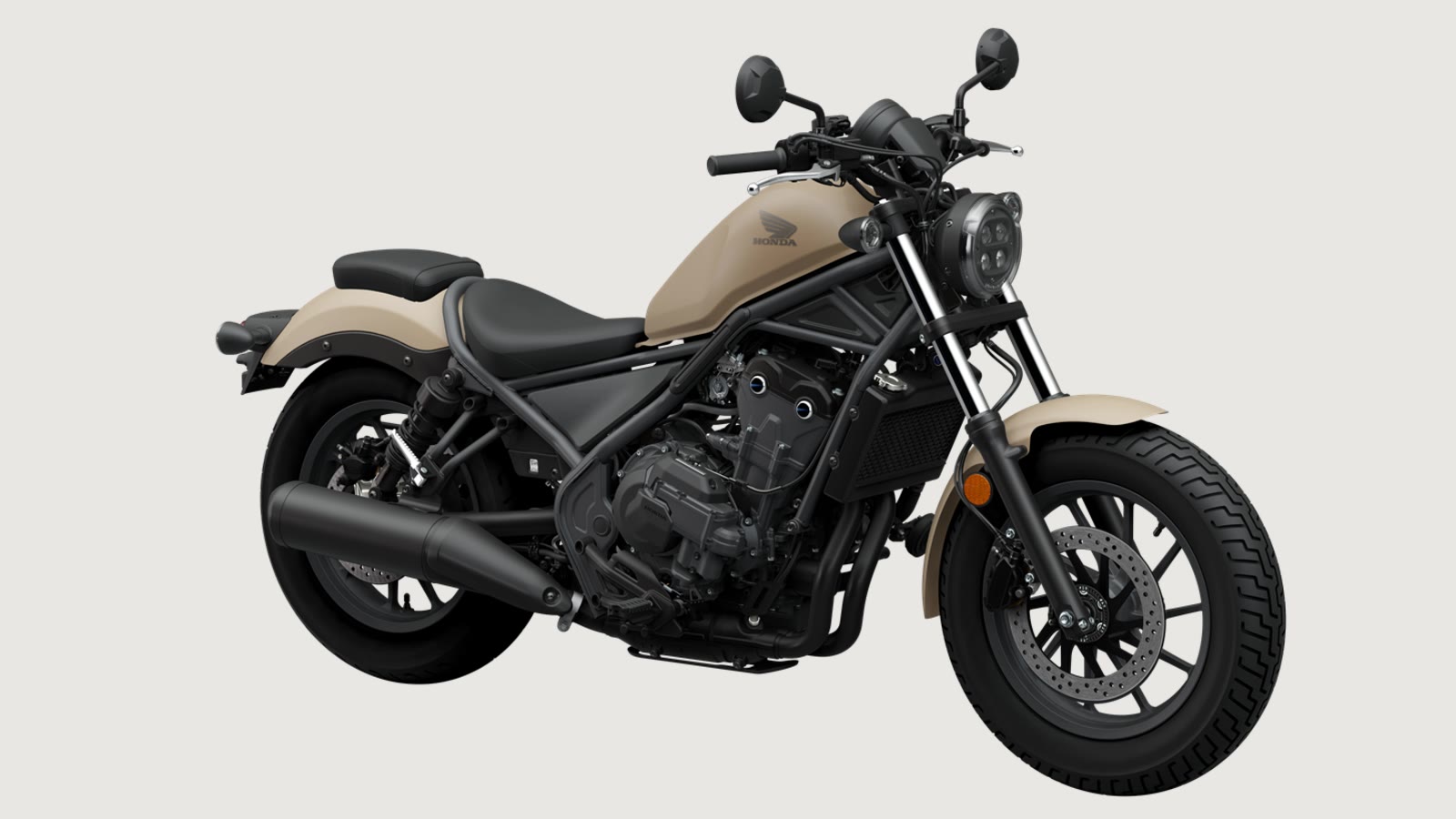
Meghalaya launched an online electric-vehicle (EV) subsidy portal on 19 Nov 2026 as part of a wider rollout of digital transport citizen services and an e-Challan system. The portal gives eligible residents a digital route to apply under the Meghalaya Electric Vehicle Policy 2026; the notified policy sets a ₹25,000 purchase incentive for private electric cars and ₹50,000 for commercial electric cars, subject to price ceilings, category limits and departmental conditions.
Key takeaways
- The portal was launched alongside digital transport services and a statewide e-Challan system on 19 Nov 2026.
- Private electric four-wheelers can qualify for ₹25,000, while commercial electric four-wheelers can qualify for ₹50,000, with an ex-factory price ceiling of ₹35 lakh and a limit of 3,000 vehicles in each category.
- Electric two-wheelers have a ₹1.75 lakh ex-factory price ceiling and separate private and commercial category limits of 2,000 vehicles each; commercial electric three-wheelers are capped at 500 vehicles.
- Eligible EVs registered in Meghalaya during the policy period can receive motor vehicle tax and registration-fee exemptions, subject to the Transport Department’s conditions.
- The online service lists identity, registration, purchase and bank documents. Incentives are subject to eligibility, funds and first-come, first-served category limits.
What Meghalaya launched on 19 Nov
The Sentinel Assam and ShillongToday independently reported that Chief Minister Conrad K. Sangma launched digital transport citizen services, an e-Challan system and an online EV subsidy portal in Meghalaya. The same programme included a road-safety partnership, but the EV portal is the part that creates a direct application route for vehicle buyers and operators.
The distinction matters because the Meghalaya EV Policy 2026 was notified earlier, on 22 Oct 2026. The 19 Nov development is the public-facing digital route for submitting an incentive application. The policy says its framework will remain in force for three years from the date of notification in the Official Gazette, but the benefit is not automatic for every EV: eligibility, vehicle category, price ceilings, funds and the available category quota still apply.
Incentives and limits under the 2026 policy
The state’s policy notification separates private and commercial vehicles and sets different limits. The main four-wheeler amounts are also reported by India Today NE, while the Transport Department’s application page provides the live price and quota checks for applicants.
| Vehicle category | Published eligibility or incentive | Limit or condition |
|---|---|---|
| Private electric four-wheeler | ₹25,000 purchase incentive; ex-factory price ceiling of ₹35 lakh | First 3,000 vehicles; prescribed conditions apply |
| Commercial electric four-wheeler | ₹50,000 purchase incentive; ex-factory price ceiling of ₹35 lakh | First 3,000 vehicles; prescribed conditions apply |
| Private or commercial electric two-wheeler | Ex-factory price ceiling of ₹1.75 lakh; separate incentives for each category | First 2,000 private and first 2,000 commercial vehicles |
| Commercial electric three-wheeler | Covered by the policy | First 500 vehicles |
The official policy also provides exemptions from motor vehicle tax and registration fees for eligible private and commercial two-wheelers, three-wheelers, four-wheelers and electric buses registered in Meghalaya during the policy period. Those exemptions are subject to conditions notified by the Transport Department, so they should not be treated as a blanket waiver without checking the applicable process.
A useful caution for buyers is that ₹25,000 is not a universal EV benefit. The notified amount is specifically stated for private electric four-wheelers; commercial electric four-wheelers have a separate ₹50,000 amount. The public policy summary describes separate two-wheeler incentives but does not show one flat amount for every two-wheeler or three-wheeler. That makes the category and the live application instructions important before a purchase is finalised.
How the online application works
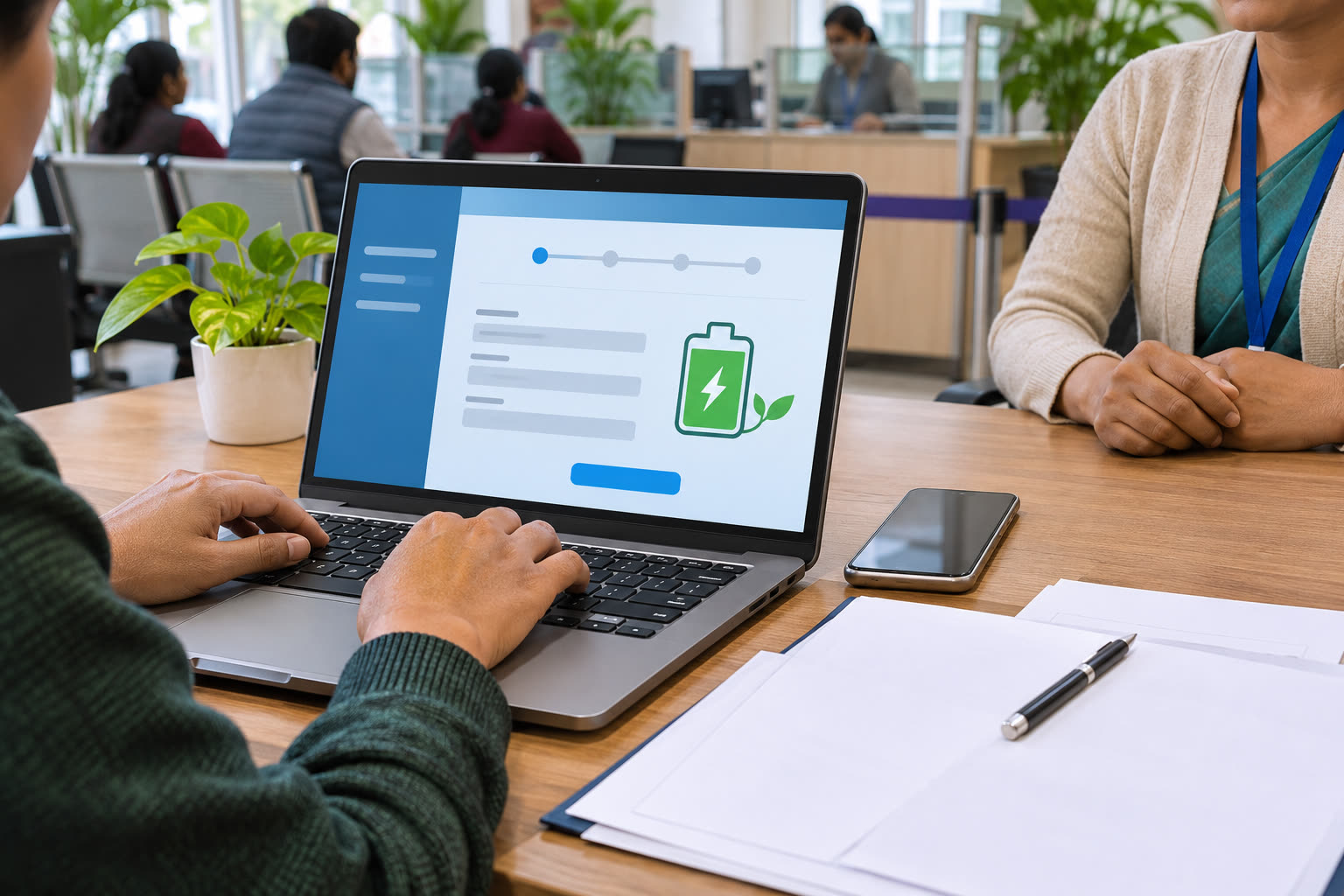
The Transport Department’s EV Subsidy page directs applicants to the e-District service named “Application for Incentive under Meghalaya Electric Vehicle Policy 2026”. The listed process is to register or log in, search for that service, enter vehicle, applicant and bank details, attach the required enclosures and submit the form. Applicants can then use the application or registration number to track the status.
The current e-District listing names identity proof such as a driving licence, voter ID, Aadhaar card or passport; the vehicle registration certificate; a purchase certificate or Form 21/tax invoice mentioning battery capacity; a bank passbook; and a certificate of deposit. The page shows the service as available online, by kiosk or by hand, but it does not publish a fixed delivery time. The Transport Department may prescribe additional operational conditions.
Charging access remains a separate part of the ownership calculation. Meghalaya EV buyers can use the state-wise EV charging directory to check where charging points are available before comparing models or routes.
What the launch means for buyers and fleets
For a private electric-car buyer, the confirmed ₹25,000 incentive can reduce the upfront purchase cost, while the possible motor-vehicle-tax and registration-fee exemptions affect other parts of the on-road bill. The final amount still depends on the vehicle’s eligible category, the price definition used by the policy, registration conditions and whether the relevant quota remains available.
For commercial operators, the ₹50,000 four-wheeler incentive is more directly relevant to fleet acquisition, but it is limited to the notified category and the first 3,000 vehicles. The same first-come, first-served structure applies across the policy’s other vehicle categories. A portal submission therefore records an application; it is not a guarantee that every claim will be approved after a quota or fund limit is reached.
The subsidy also does not answer the running-cost question by itself. For a trip or monthly baseline, the fuel-cost calculator can help compare the petrol or diesel alternative with the EV’s charging and efficiency assumptions. That comparison should use the buyer’s actual electricity tariff and driving pattern rather than the headline incentive alone.
Long-distance use needs a separate check because charging availability and route length can matter more than the purchase benefit. The road-trip planner can help map a journey, while the charging directory can be used to review the stops along the route.
What to check before applying
- Confirm whether the vehicle is private or commercial and whether its ex-factory price fits the relevant ceiling.
- Check the category quota and whether the application is being accepted under the current operational instructions.
- Keep the RC, purchase certificate or invoice with battery-capacity details, identity proof and bank information consistent across the application.
- Ask how the motor vehicle tax and registration-fee exemption will be recorded for the eligible vehicle, because the policy makes those benefits conditional.
- Keep the application or registration number for status tracking and distinguish the purchase incentive from the separate scrappage track.
The 2026 policy also includes a separate scrappage incentive route for qualifying BS-IV and earlier vehicles replaced with new EVs through an authorised Registered Vehicle Scrapping Facility. That route has its own applicant, vehicle and quota conditions; it should not be assumed to be an automatic add-on to the purchase incentive.
What happens next
The Commissioner of Transport is the nodal agency for implementing and monitoring the policy, while a state-level committee will examine incentive claims and related infrastructure proposals. The immediate practical next step is for the department to keep the portal instructions, category availability and document checklist aligned with the notified policy. Applicants should rely on the current Transport Department and e-District pages for any later changes to forms, timelines or conditions.
Sources
- The Sentinel Assam — “Meghalaya Launches Digital Transport Services, e-Challan System and EV Subsidy Portal” — 19 Nov 2026
- ShillongToday — “Meghalaya Hands Over Baljek Airport to AAI, Launches Road Safety and Digital Transport Initiatives” — 19 Nov 2026
- Government of Meghalaya — “Meghalaya Notifies EV Policy 2026, Offers Purchase Incentives, Tax Waivers and Scrappage Benefits” — 22 Oct 2026
- India Today NE — “Meghalaya notifies Electric Vehicle Policy 2026, offers purchase incentives and tax exemptions” — 21 Oct 2026
- Government of Meghalaya, Transport Department — “EV Subsidy” — accessed 19 Nov 2026
- Meghalaya e-District — “Application for Incentive under Meghalaya Electric Vehicle Policy 2026” — accessed 19 Nov 2026
This article is for general information only and is not financial, insurance or legal advice.