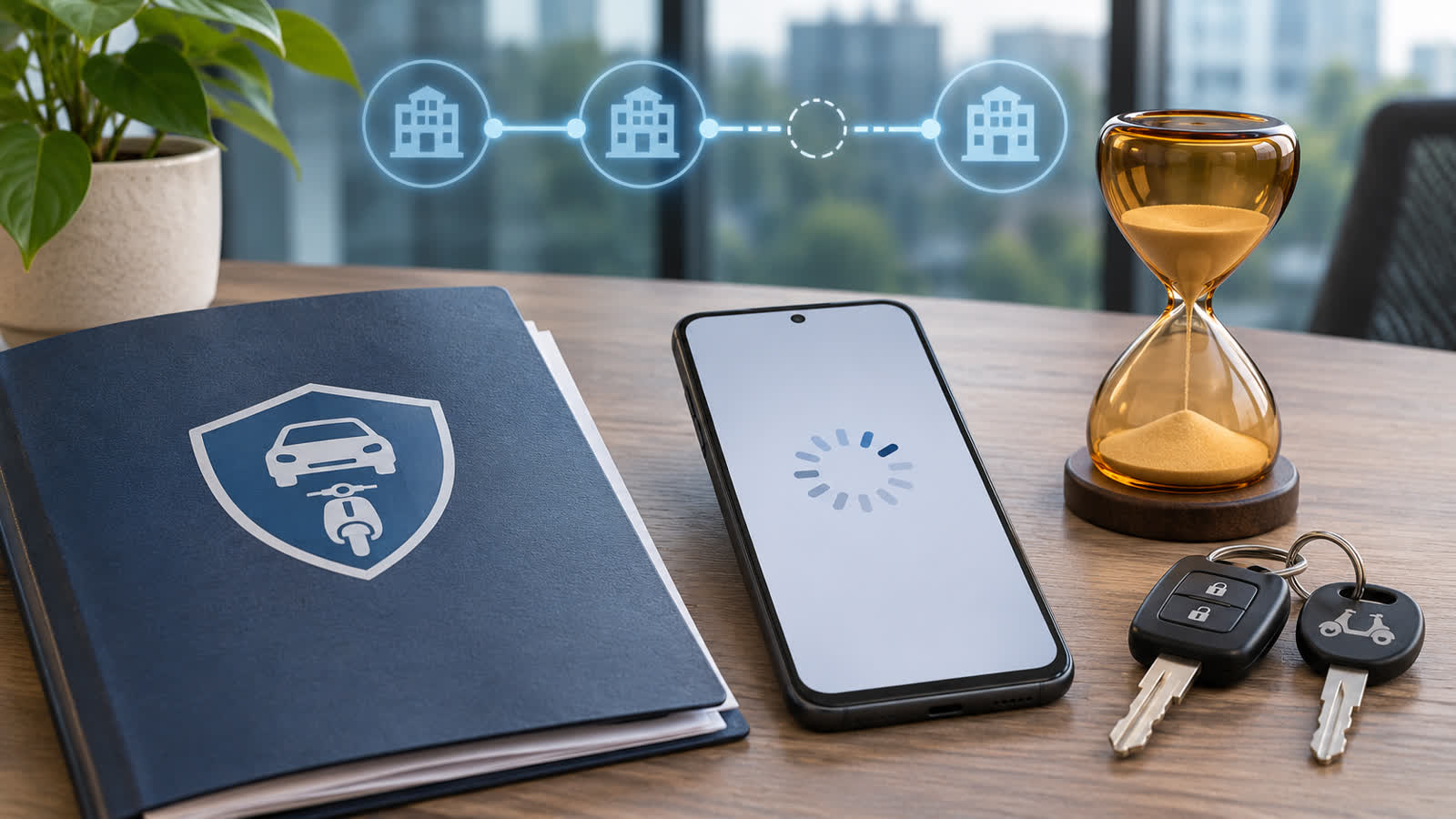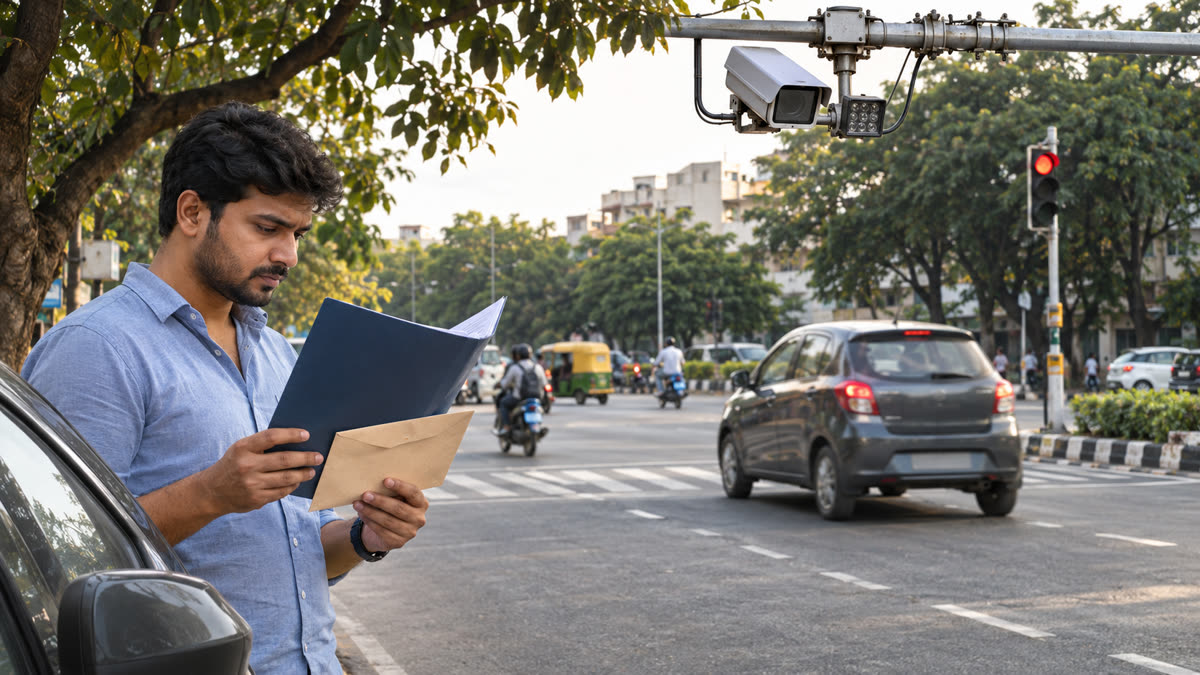
India’s road transport ministry is considering linking future motor-insurance premiums to traffic offences recorded in the previous year, alongside a proposed four-year single premium for cars and a six-year policy for two-wheelers. A separate pilot could check insurance at five petrol pumps each in Haryana and Uttar Pradesh using automated number-plate recognition (ANPR), but the reported proposals are not nationwide rules as of 25 Nov, 2026.
Key takeaways
- Traffic violations from the preceding year could become a factor in a vehicle’s future insurance premium if the proposal is formally adopted.
- The reported plan also considers single-premium policies covering four years for cars and six years for two-wheelers.
- A proposed no-insurance, no-fuel pilot would use ANPR at five petrol pumps each in Haryana and Uttar Pradesh.
- No formula, premium amount or nationwide start date has been announced in the reports; current policies do not automatically change because of this proposal.
What the government is considering
The Times of India and Dainik Jagran reported on 25 Nov, 2026 that the Ministry of Road Transport and Highways (MoRTH) is examining a plan to use traffic offences recorded against a vehicle owner in the previous year when assessing motor-insurance premiums. The stated aim is to improve compliance with the Motor Vehicles Act and encourage more vehicle owners to keep valid cover.
The reporting describes a possible risk-based addition to renewal pricing, not a published tariff. It does not specify which offences would count, how they would be weighted, whether the record would be attached to the owner or the vehicle, or how a disputed challan would be treated. Until those details appear in an official notification, a traffic challan should not be presented as an automatic premium increase under a live national rule.
The same reports say MoRTH is considering a single-premium four-year policy for cars and a six-year policy for two-wheelers. They also mention a review of base insurance rates for selected vehicle categories, including electric vehicles. These are separate proposals: the reports do not provide an effective date or an official premium table for them.
How the proposed fuel-station pilot would work
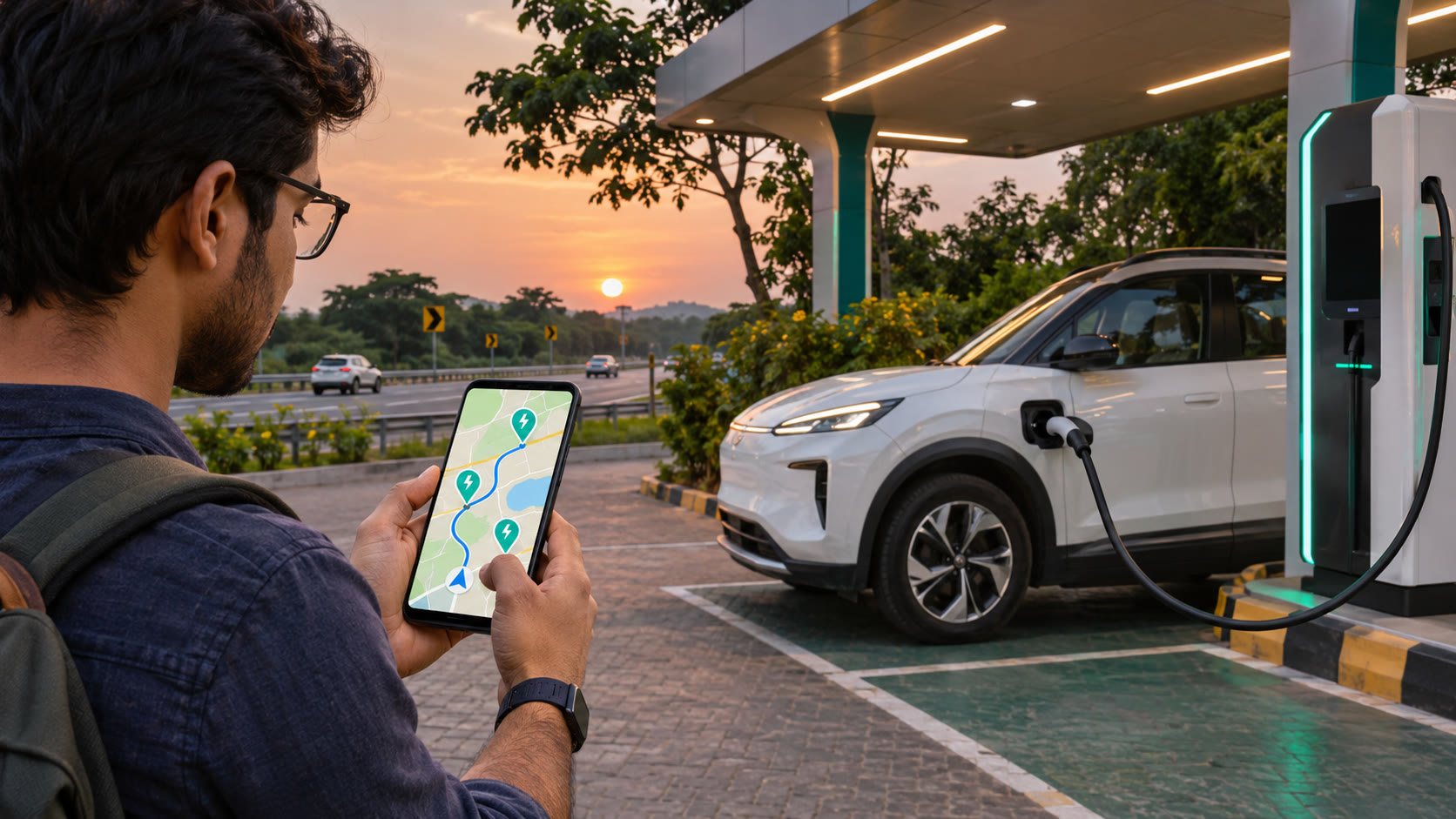
The Supreme Court Committee on Road Safety has asked the road transport and petroleum ministries to launch a pilot at five petrol pumps each in Haryana and Uttar Pradesh. The selected pumps are reported to have ANPR cameras that can identify a vehicle and check its insurance status before fuelling.
This would be a limited test, not a direction to deny fuel across India. The reports do not say that the pilot has started or set out the exact process for a vehicle whose insurance record cannot be verified. Its purpose would be to test whether fuel-station checks can help reduce the number of uninsured vehicles on the road.
There is already an official digital-enforcement foundation for such checks. In a Rajya Sabha answer dated 11 Feb, 2026, MoRTH said Section 146 of the Motor Vehicles Act requires valid third-party insurance for a vehicle used in a public place and that ANPR cameras integrated with the VAHAN database are being promoted for enforcement. That existing requirement is different from the proposed fuel-supply pilot.
Why the change is being discussed
The reports cite insurance data showing nearly 25 crore active vehicles with valid insurance, or about 81% of the vehicles currently running. The cited coverage is above 90% for heavy commercial vehicles, about 88% for cars, about 80% for two-wheelers and about 57% for three-wheelers. These figures are reported snapshots dated 25 Nov, 2026, rather than a new statutory target.
The gap matters differently across segments. A truck or bus operator may already face insurance checks linked to permits, fitness and commercial operations, while a private two-wheeler can lapse outside regular enforcement contact. Three-wheelers show the lowest cited compliance rate, making the segment especially relevant to any policy that combines insurance records with traffic or vehicle databases.
What it could mean for drivers and fleet operators
If a traffic-linked premium system is notified, renewal pricing could reflect more than the vehicle’s age, location, insured declared value and claims history. It could add another variable to the quote, but the financial effect cannot be estimated until the government publishes the offences covered, the look-back period, the calculation method and an appeals process.
For now, the useful distinction is between a proposal and an existing obligation. Vehicle owners can review the policy expiry date, the type of cover shown on the schedule and whether the registration details match the insurance record. A plain-language explanation of the existing cover layers is available in this comparison of third-party, own-damage and personal-accident insurance.
New buyers should also separate any long-term third-party requirement from optional own-damage or add-on cover. The cost and protection can appear as separate lines in a quote; the guide to how car-insurance premiums are calculated explains the main variables without treating one quote as universal.
For commercial operators, policy validity is an operating detail as well as a compliance issue. A lapse can complicate claims and may interrupt a vehicle’s work while records are corrected. Operators comparing policy renewals can also note the policy’s treatment of paid drivers, deductibles and vehicle use, because the reported proposal does not replace those existing terms.
What to watch next
The next meaningful update would be an official notification, circular or pilot instruction that answers four questions: which violations count, whose record is used, how premiums are calculated and how an owner can correct a wrong data match. For the fuel pilot, the government would also need to identify participating pumps, the verification workflow and what happens when ANPR or database data is unavailable.
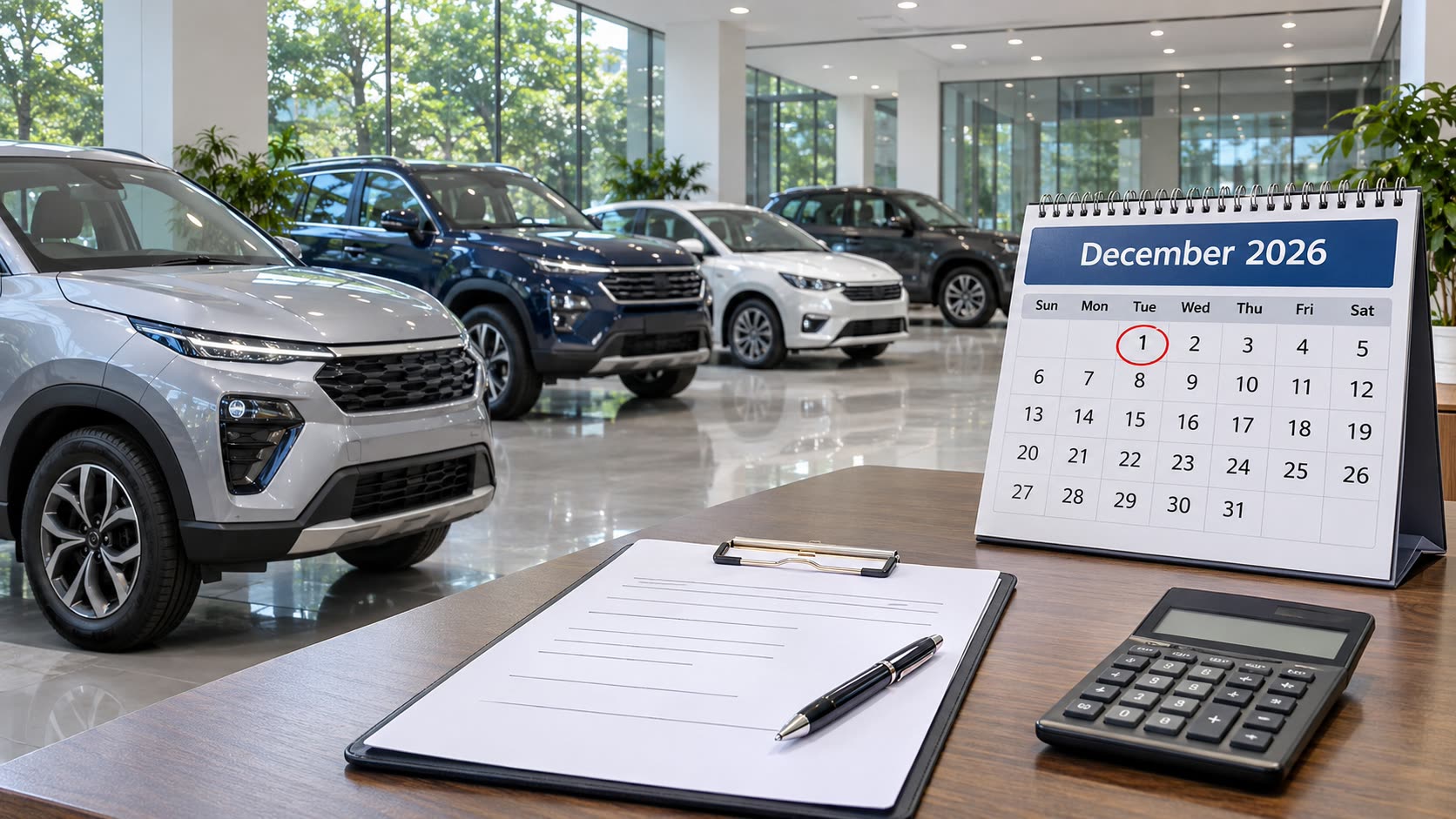
The proposal should also be read alongside the separate IRDAI changes that introduce clearer cover layers and customer option forms for private vehicles. FuelPrice has already reported that four-layer motor-insurance structure and its December start date; that framework should not be treated as confirmation that traffic-linked pricing has begun.
Reader takeaway
As of 25 Nov, 2026, the reported traffic-linked premium plan, longer single-premium terms and no-insurance, no-fuel checks remain proposals or a proposed pilot. Valid third-party motor insurance remains the current legal baseline, while any change to renewal pricing or fuel-station access would need clear official rules before it can be applied nationwide.
This article is for general information only and is not financial, insurance or legal advice.
Sources
- The Times of India — Govt plans multi-year motor insurance for cars, bikes; no insurance, no fuel pilot at 10 petrol pumps in NCR — 25 Nov, 2026
- Dainik Jagran — Motor insurance premiums may be linked to traffic violations — 25 Nov, 2026
- Ministry of Road Transport and Highways — Rajya Sabha answer on reining in uninsured vehicles — 11 Feb, 2026