Reports published on 17 October 2026 say the National Highways Authority of India (NHAI) has provided around ₹50 crore to Bihar's environment, forest and climate change department for conservation and wildlife-mitigation measures along the Varanasi-Ranchi-Kolkata Expressway. The plan matters to future drivers because it pairs the corridor's construction with animal crossings and road-safety measures, but it does not announce an immediate opening, toll change or travel-time saving.
Key takeaways
- The project-specific ₹50-crore allocation was reported by The Times of India and Navbharat Times after an NHAI media tour in Gaya on 16 October 2026; it is reported information, not a new toll rule.
- The Gaya section, Package VII, is reported at about 33.5 km by Navbharat Times, with an estimated cost of ₹1,248.37 crore and around 36% physical progress after the October 2026 site visit.
- The plan includes two elephant underpasses, two animal overpasses and around 45,000 saplings, according to both reports.
- NHAI's stated wildlife approach is designed to reduce habitat barriers and the risk of wildlife-vehicle conflict while keeping highway traffic moving safely.
- For road users, the immediate takeaway is to treat this as a construction and future-safety update. It does not change today's toll rates, route access or fuel prices.
What has been reported from the Gaya package
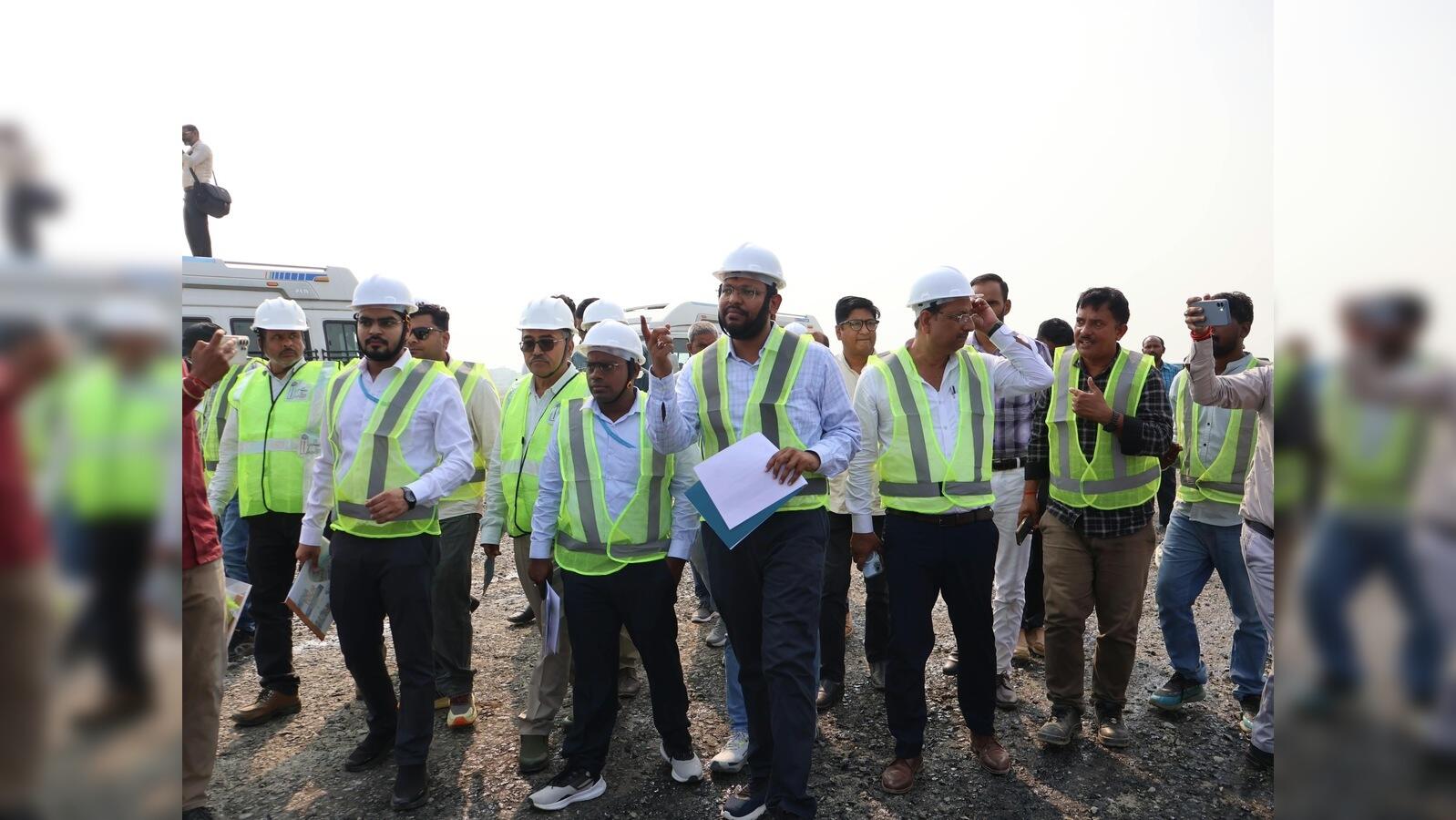
The Times of India and Navbharat Times both reported the ₹50-crore wildlife plan on 17 October 2026, following a media tour organised by NHAI's regional office in Patna. The reports say the plan was prepared with Bihar's forest department and the Zoological Survey of India. Its stated scope includes habitat improvement, protection of selected Schedule I species, soil and water conservation, forest-fire management, and monitoring.
The same reports identify the construction package as the section from Anarban Saleya to Sangrampur in Gaya district. Navbharat Times describes the package as approximately 33.5 km, with a construction estimate of ₹1,248.37 crore and around 36% physical progress as of the site visit. The Times of India describes it as a 33-km package and rounds the cost to ₹1,248 crore, while also reporting around 36% progress. The small difference in how the length and cost are rounded does not change the project's reported status: the section remains under construction.
The planned wildlife structures are the most direct road-safety element. Two elephant underpasses and two animal overpasses are intended to give wildlife designated ways to cross the corridor instead of moving across traffic lanes. The reports also mention a proposal to plant around 45,000 saplings along the project corridor. These are construction and mitigation commitments; they are not evidence that the full corridor is already open or that collision risk has already fallen.
Why this matters to drivers and transporters
The Varanasi-Ranchi-Kolkata corridor is being developed as a greenfield, access-controlled route through Uttar Pradesh, Bihar, Jharkhand and West Bengal. Once relevant sections open, the corridor is expected to serve passenger traffic, freight movement and access to destinations around Gaya and other districts. That future benefit depends on construction completion, safe commissioning and the availability of connecting roads, so a current journey should not be planned on the assumption that this package is operational.
Wildlife protection is also a mobility issue. The Ministry of Road Transport and Highways said in an 8 October 2026 PIB release that NHAI's national mitigation framework addresses habitat fragmentation, barrier effects and wildlife-vehicle collisions through structures such as underpasses, overpasses and culverts, along with fencing, signs and speed regulation. The same release said more than 2,150 wildlife-mitigation structures had been constructed or proposed along national highways. That national figure provides context for the Gaya plan, but it should not be read as a project-specific completion figure.
For freight operators, the practical value will eventually be a corridor that separates long-distance movement from local crossings more effectively. For private motorists, the safety value will depend on fencing, lighting, signs, enforcement and how well the crossings work after opening. Neither report provides a verified number for minutes saved, fuel saved or a revised toll. Those figures should not be inferred from the project cost or the wildlife plan.
What changes now, and what does not
Nothing in the 17 October reports changes the toll payable on the existing roads leading toward the expressway. There is also no current travel-time guarantee for the Varanasi-to-Kolkata journey. The reported 36% progress for Package VII means the relevant section is still a project under construction, not a newly opened route.
Before a longer trip, the toll-charge calculator hub can help check the route's listed toll information.
The road-trip planner can be used to compare available corridors and stops.
A separate fuel-cost calculator can keep the fuel estimate separate from any future toll or route changes.
What to watch next
The next meaningful update will be the construction and commissioning status of the Gaya package, followed by confirmation that the wildlife structures, fencing and safety systems are in place before traffic is allowed to use the completed section. A formal NHAI or government project update would also clarify the allocation, current progress and any revised opening schedule.
Until then, the reported ₹50-crore plan is best understood as an environmental and safety layer within a larger highway project. It is useful news for people who will eventually use the corridor, but it is not a present-day toll concession, route opening or fuel-cost change.
Sources
- The Times of India — NHAI provides Rs50cr for wildlife plan along Varanasi-Kolkata expressway — 17 October 2026
- Navbharat Times — वाराणसी कोलकाता 6 लेन एक्सप्रेसवे से बिहार के इन चार जिलों की बदलेगी सूरत, 33 फीसदी काम पूरा — 17 October 2026
- Press Information Bureau, Ministry of Road Transport and Highways — NHAI Releases Document on ‘Wildlife Mitigation Measures & Structures’ Highlighting Strengthened Wildlife Conservation Measures Along National Highways — 8 October 2026