Ola Electric Mobility reported a consolidated loss of ₹362 crore for the quarter ended 30 Sep 2026, while revenue from operations was ₹421 crore. The result matters to Indian EV buyers because the company’s next phase depends on dealer-led sales, local cell manufacturing and service reach, not only scooter demand.
The unaudited figures were approved by the company’s board on 12 Nov 2026 and filed with the stock exchanges. They show a business still loss-making even as Ola Electric shifts how it sells and supports its vehicles.
Key takeaways
- Q2 FY27 revenue from operations was ₹421 crore, against ₹455 crore in Q1 FY27 and ₹690 crore in Q2 FY26.
- The consolidated loss was ₹362 crore. It narrowed from ₹418 crore a year earlier but widened from ₹336 crore in the preceding quarter.
- Loss before finance costs, depreciation, amortisation and tax was ₹191 crore, compared with ₹136 crore in Q1 FY27.
- The shareholder letter said the company had 319 sales stores on 8 Nov 2026 and forecast about 700 stores by March 2027.
What the Q2 filing shows
Ola Electric’s consolidated results cover the July–September 2026 quarter. The company reported ₹448 crore of total income, including ₹27 crore of other income, and ₹421 crore of revenue from operations. The loss for the period was ₹362 crore, with the filing showing no material current or deferred tax expense for the quarter.
| Metric | Q2 FY27 30 Sep 2026 | Q1 FY27 30 Jun 2026 | Q2 FY26 30 Sep 2025 |
|---|---|---|---|
| Revenue from operations | ₹421 crore | ₹455 crore | ₹690 crore |
| Total income | ₹448 crore | ₹484 crore | ₹756 crore |
| Loss for the period | ₹362 crore | ₹336 crore | ₹418 crore |
| Loss before finance costs, depreciation, amortisation and tax | ₹191 crore | ₹136 crore | ₹137 crore |
On the company’s reported figures, revenue from operations fell about 7.5% sequentially and 39.0% year on year. The loss widened by ₹26 crore from Q1 FY27, although it was ₹56 crore lower than in Q2 FY26. Those comparisons matter because a lower year-on-year loss does not mean the latest quarter improved on every operating measure.
Why the result matters to EV buyers
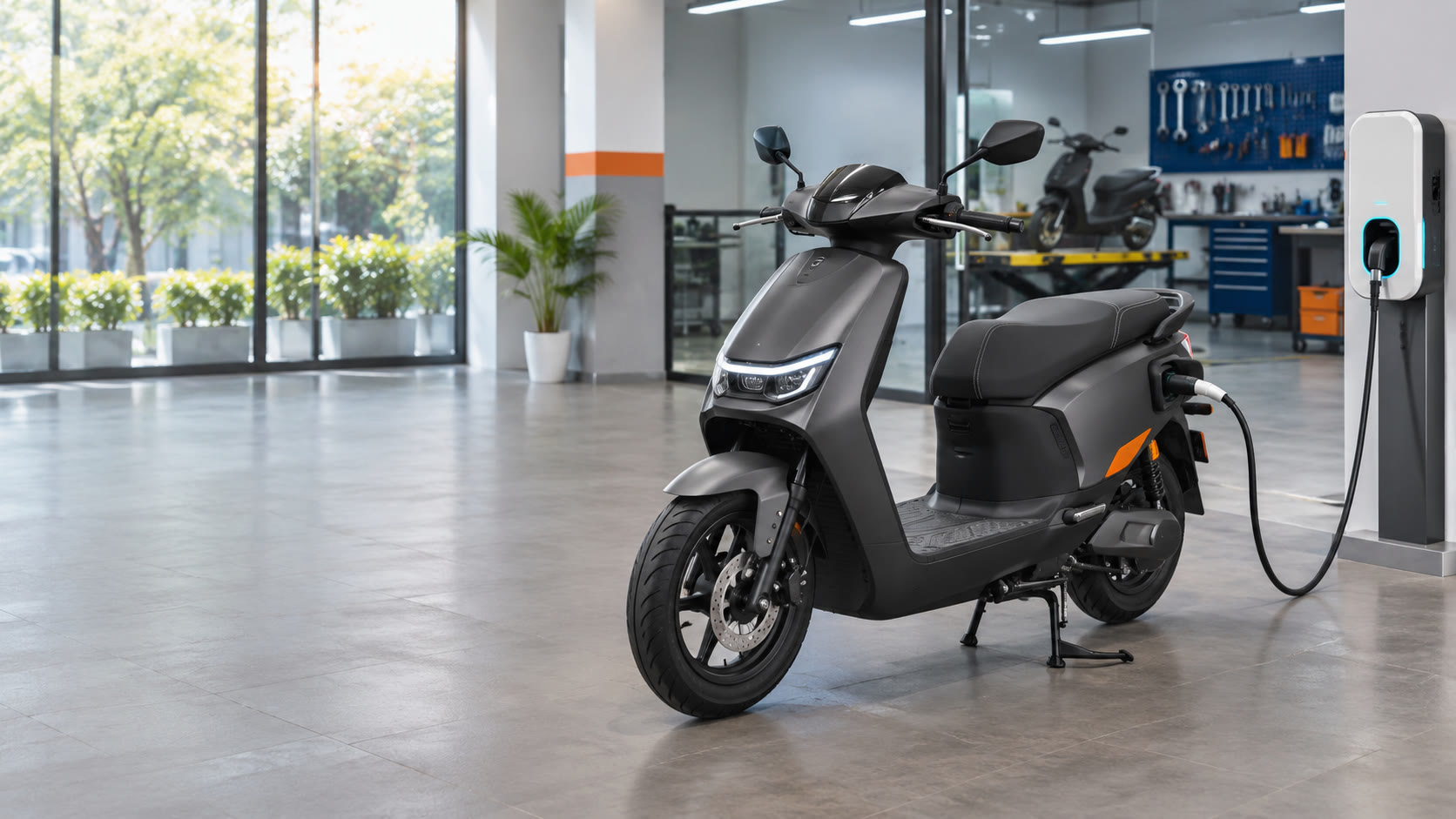
A quarterly loss does not by itself change an existing scooter’s certified range, warranty terms or listed price. For a prospective buyer, however, the result is a reason to examine the practical ownership layer around the vehicle: where service is available, how parts are supplied, and whether local charging access suits the intended commute.
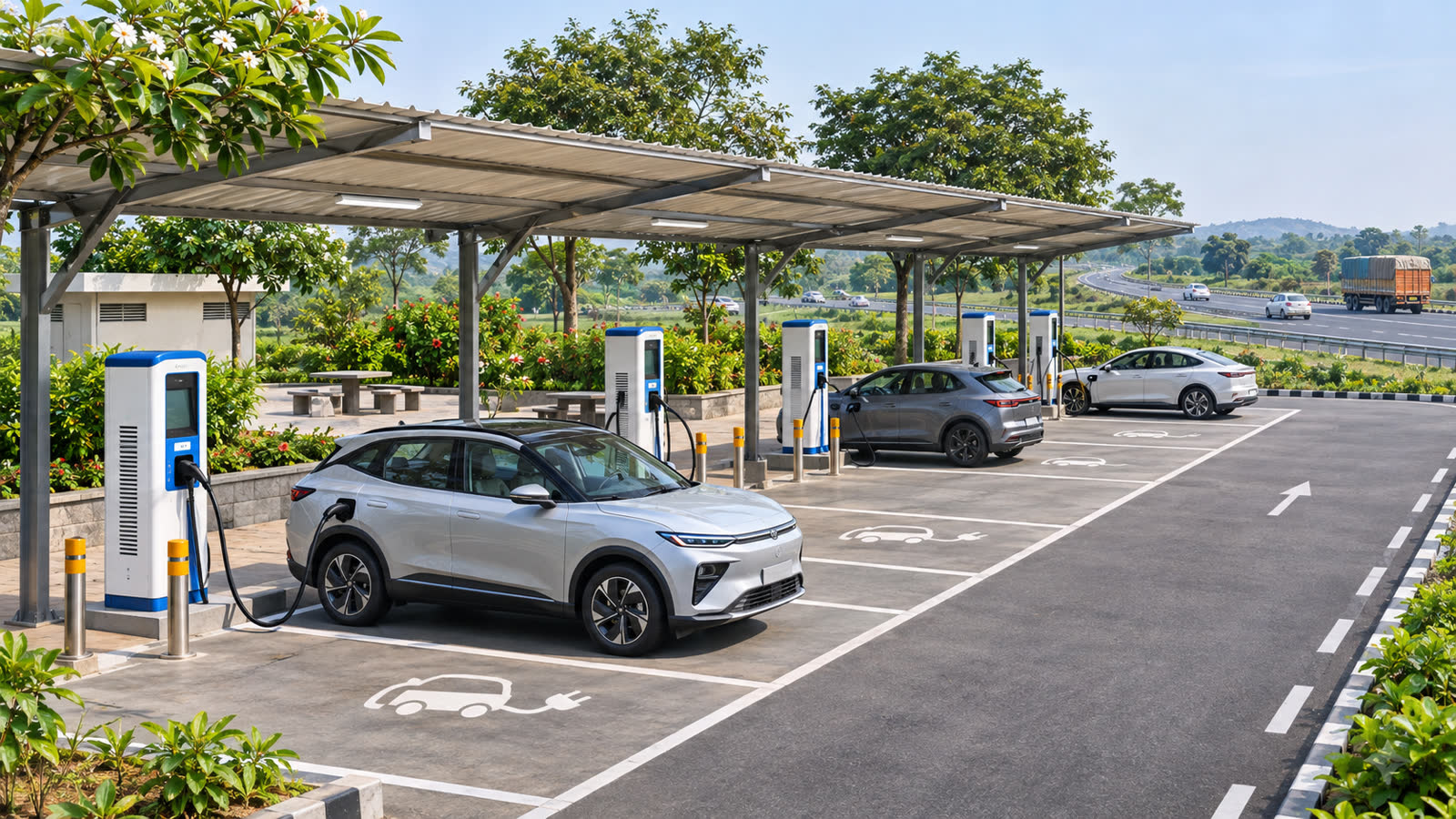
Charging access is especially relevant outside the biggest metros. Buyers and owners can check the state-wise EV charging directory alongside the home-charging arrangements offered for the vehicle. This is a practical check on the claimed range, which can vary with speed, load, weather and riding conditions.
For a petrol-scooter comparison, the fuel cost calculator can help separate the vehicle’s purchase price from the recurring energy cost of a typical route. The comparison should also account for charging equipment, maintenance, financing and insurance rather than treating one headline figure as the full ownership cost.
Dealer rollout is the next execution test
Ola Electric’s shareholder letter says the company is moving from a largely company-owned retail model to dealer-led expansion. It reported 319 sales stores as of 8 Nov 2026, with a plan to reach about 450 stores by December 2026 and 700 by March 2027. Those later figures are management forecasts, not completed outlets.
The letter also described the quarter’s operating message as a supply constraint rather than a lack of demand. That is a company statement, not an independent measure of the entire Indian EV market. The useful test for owners will be whether additional outlets translate into reliable service appointments, parts availability and consistent delivery timelines.
The company has also linked its next product and cost plans to in-house LFP cell production. That could affect how Ola positions future scooters and manages supply, but the Q2 filing does not establish that cell localisation has already lowered the price or running cost of a vehicle. That distinction is important when reading management guidance.
What to watch next
The next checkpoints are dealer activity, vehicle dispatches, service performance and the conversion of cell capacity into regular production. The shareholder letter’s store targets and comments on future products should be read as plans that can change with execution and demand.
For readers comparing an electric scooter, the immediate takeaway is practical: the Q2 result is a company-health signal, not a change to the specifications of every scooter already sold. Check local support and charging availability, then compare the full running cost with the route and usage pattern that matter.
Sources
- National Stock Exchange filing — Outcome of Board Meeting and unaudited consolidated financial results for the quarter and half year ended 30 Sep 2026 — 12 Nov 2026
- Ola Electric Mobility — Shareholders’ letter and Q2 FY27 key financial metrics — 12 Nov 2026
- Business Standard — Ola Electric shares zoom 7% ahead of Q2 results; here’s what to expect — 12 Nov 2026
- Upstox — Ola Electric Mobility shares rally over 7% ahead of Q2 FY27 earnings; key things to know — 12 Nov 2026