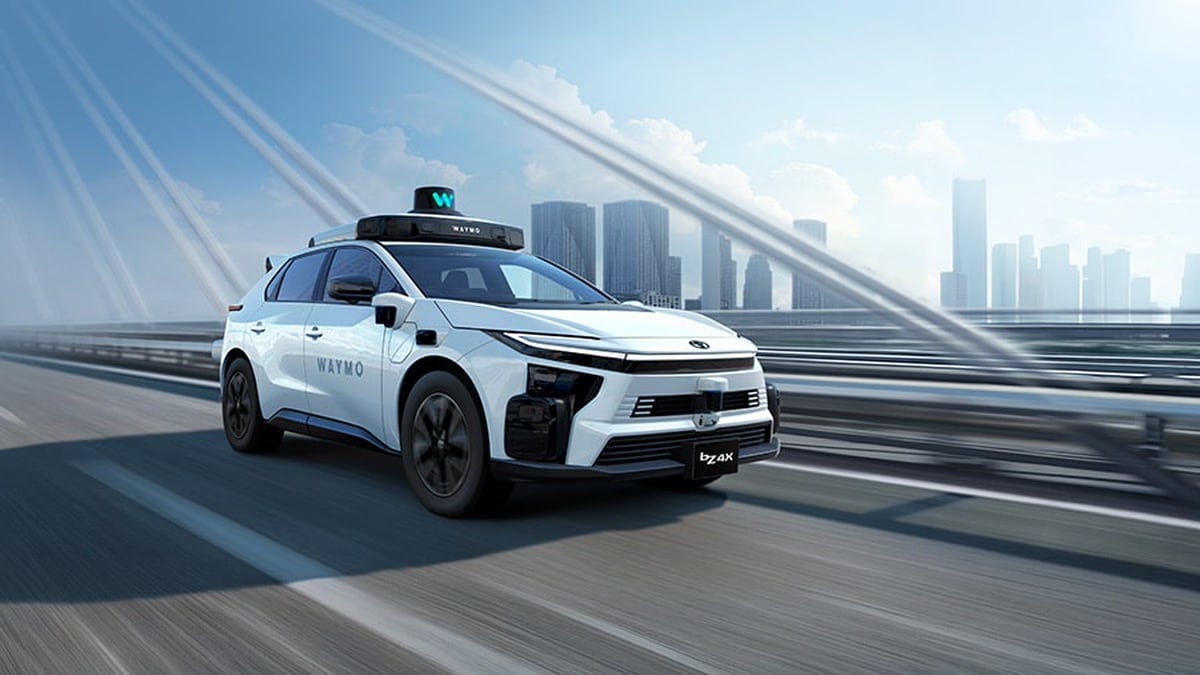
Toyota Motor Corporation and Waymo announced on 30 October 2026 that they will begin initial operations to test and validate an autonomous Toyota bZ4X fleet in Japan in 2027. The plan matters beyond Japan because the companies also say the fleet is intended for later deployment in the United Kingdom and other markets where Waymo operates, linking an electric vehicle made at scale with a cross-border ride-hailing model.
Key takeaways
- Toyota and Waymo plan to start testing and validating an autonomous bZ4X fleet in Japan in 2027.
- Toyota says the vehicles will be built at its Takaoka plant, with base-vehicle assembly and Waymo autonomous-driving hardware integration carried out under one roof.
- Jiji Press reported that the planned taxis will use Level 4 autonomous driving, where the system handles driving in specified conditions.
- The companies plan later deployment in the United Kingdom and other Waymo-served markets, but did not announce a consumer fare, fleet size or public charging timetable.
- The immediate impact is a technology and fleet strategy signal, not a change to retail fuel prices or a nationwide consumer launch.
What Toyota and Waymo confirmed
Toyota and Waymo's official release says the next phase will begin with initial operations to test and validate autonomous Toyota bZ4X vehicles in Japan. The release describes the collaboration as a step towards scaling safety-validated Level 4 vehicles globally and says deployment in the United Kingdom and other Waymo-served markets is planned in the following years.
The distinction between planned testing and a full commercial rollout matters. The companies have confirmed the vehicle, the first market and the target year, but they have not published a nationwide service launch date or said how many vehicles will be available. Jiji Press, in a report carried by Nippon.com, described the plan as Japan's first driverless taxi operation and said the bZ4X will use Waymo's self-driving system. For readers, the safest description is a planned autonomous taxi programme moving from testing towards service, subject to validation and local requirements.
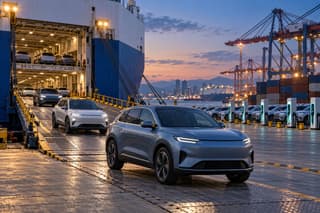
Toyota says it will build the vehicles at the Takaoka plant in Toyota City, Aichi Prefecture. The company says the process will run under one roof, from assembling the base vehicle to integrating Waymo's autonomous-driving hardware. That manufacturing detail is important because the programme is being designed around a high-volume production vehicle rather than a one-off prototype.
Why an electric taxi fleet matters for fuel users
The bZ4X is a battery-electric vehicle, so a fleet based on this model would use electricity rather than petrol or diesel at the point of operation. If the programme scales, some urban transport energy demand would move from liquid fuels to charging infrastructure. The size of that shift will depend on fleet numbers, utilisation, charging downtime and the electricity mix in each market; the announcement does not provide those inputs.
For EV owners and fleet operators, the practical question is where and when the vehicles can charge between passenger journeys. FuelPrice's EV charging-station directory can help readers check the charging network available in their state or region, but it should not be read as a map of the future Toyota-Waymo fleet. The companies have not announced charging partners or depot locations for the programme.
For conventional-car drivers and operators, nothing changes at the pump because of this announcement. A cross-market autonomous EV plan does not set petrol or diesel prices, and it does not change local taxes, fuel standards or access rules. The near-term significance is strategic: automakers and ride-hailing companies are testing whether a purpose-equipped electric vehicle can be deployed repeatedly, safely and economically in different regulatory environments.
Why Japan is the first step
Japan gives the partnership a defined starting market while Toyota supplies a locally manufactured vehicle and Waymo brings an autonomous-driving system already used in its other operations. Jiji Press reported that the system will operate at Level 4, meaning the automated driving system performs all driving tasks under specified conditions rather than requiring a human to control the vehicle continuously within that operating design domain.
The next-market plan also has a practical angle. Toyota said the bZ4X fleet is intended for later deployment in the United Kingdom and other Waymo-served markets. Jiji Press reported that Toyota plans to market the vehicles in Britain, where right-hand-drive vehicles are standard, as they are in Japan. That does not remove the need for local approvals, mapping, safety validation, insurance arrangements and service support, but it gives the partnership a clearer cross-border path than a Japan-only pilot.
The use of the same base model across markets could also make lessons from the first deployment more transferable. Toyota and Waymo said they will continue examining how data and technology from real-world operations can improve safety for other road users. That is a claim about the companies' intended work, not evidence that the technology will automatically reduce crashes in every city.
What the announcement does not change for buyers
The release is about a fleet programme, not a new retail bZ4X price or a consumer booking window. It does not specify whether privately owned versions will receive the same autonomous hardware, nor does it announce a public charging build-out connected to the taxi plan. Toyota and Waymo said they will explore the future of autonomous driving for personally owned Toyota vehicles, but that is an area for further work rather than a product launch.
That means vehicle buyers should treat the announcement as a direction-of-travel signal. It may eventually affect how automakers design electric vehicles for high utilisation, how cities regulate automated ride-hailing and how charging depots are planned. It does not yet provide enough information to compare the ownership cost of a private bZ4X with a petrol or diesel car. Readers can use the fuel cost calculator to estimate a conventional vehicle's route cost, then separately account for electricity tariffs, charging time, insurance and maintenance when comparing an EV.
Prices also remain local. FuelPrice's fuel-prices section can be used to check current petrol and diesel rates in the reader's market, but those rates should not be treated as a forecast of what autonomous taxi operators will pay. Fleet contracts, commercial tariffs and charging arrangements can differ from household prices.
What to watch next
- Validation and approvals: whether testing progresses into a defined passenger service, and in which Japanese cities.
- Fleet scale: how many bZ4X vehicles Toyota and Waymo build, and whether production expands beyond an initial operating group.
- Charging operations: the depot, maintenance and charging arrangements needed to keep vehicles working through a full service day.
- UK and wider rollout: the timing, local rules and service model for Britain and other Waymo-served markets.
Reader takeaway
Toyota and Waymo's announcement is an important global auto development because it connects a mainstream battery-electric vehicle with a planned autonomous ride-hailing rollout across more than one market. Japan is the first step, with 2027 testing and validation planned, while the United Kingdom and other Waymo-served markets are part of the longer-term plan. For drivers, the useful watchpoints are not an immediate fuel-price change but the programme's actual fleet size, charging model, approvals and evidence that the bZ4X can operate reliably at commercial utilisation.