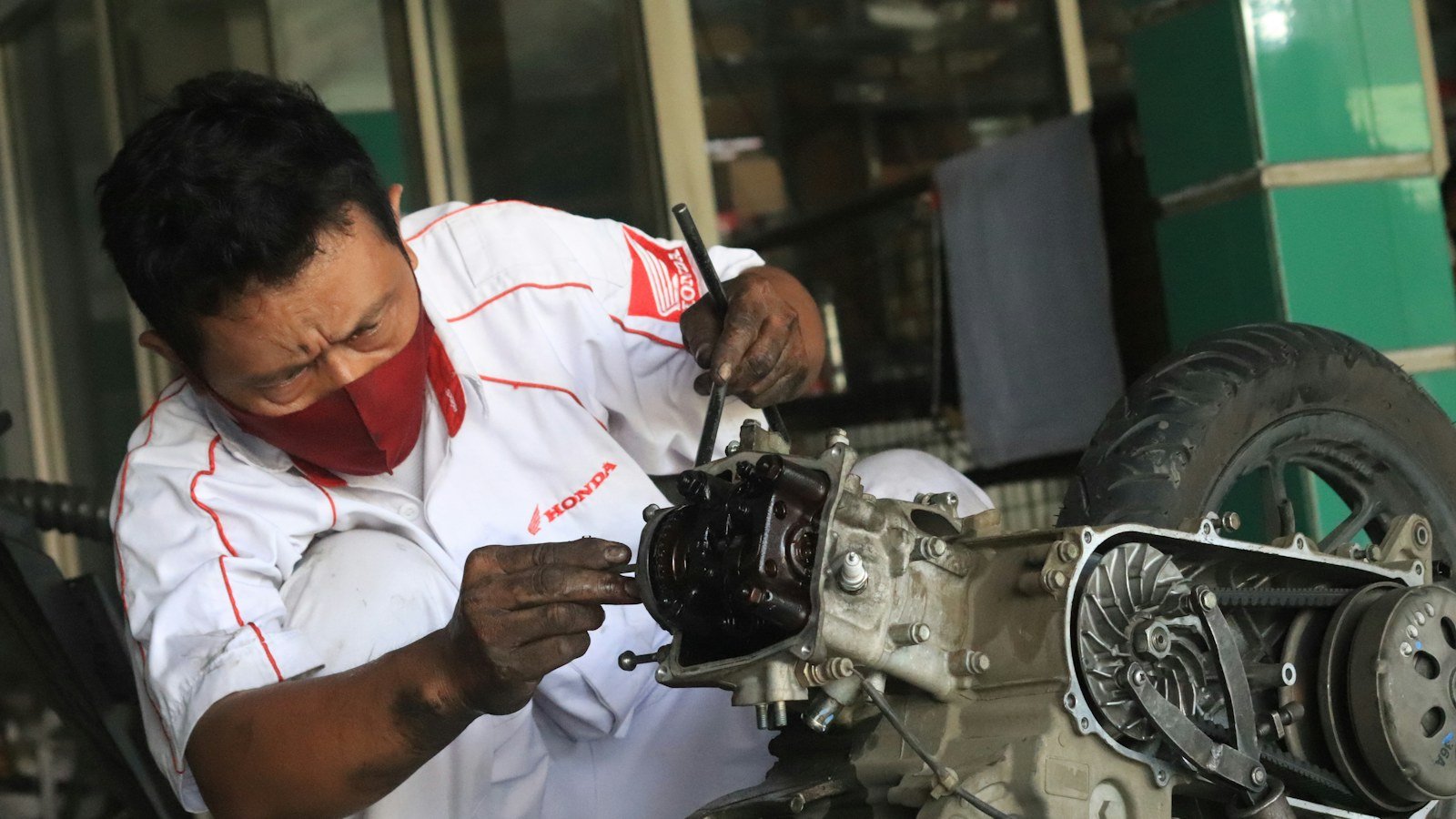
Bike insurance claims are easier to manage when three things stay separate: what the policy covers, what the insurer accepts and how the repair bill is settled. This guide explains the process from the first safety step to cashless or reimbursement settlement, including documents, IRDAI claim checkpoints, No Claim Bonus (NCB) and the checks that matter. The practical rule is to document the incident, inform the insurer promptly and avoid routine repairs before the required inspection or approval.
The timing is useful because an Emkay report published on 23 Oct 2026 put motor own-damage gross direct premium income growth at about 16% year on year in the first half of FY27 and motor third-party growth at about 10%. Those are industry figures, not a 16% increase in every rider's renewal quote. They do make it more important to understand the cover shown on the policy schedule. FuelPrice's motor-insurance pricing report explains that distinction.
Key takeaways
- Third-party-only cover pays legal liability to others; it does not normally pay to repair your own bike.
- For an own-damage claim, photograph the bike and scene, notify the insurer and wait for the required assessment before routine repairs.
- Keep the policy, claim form, RC, valid driving licence, repair estimate, invoices and payment proof ready; an FIR may be needed for theft, serious accidents or specified third-party claims.
- The published claim checkpoints include surveyor allocation within 24 hours, a survey report within 15 days and a decision within 7 days of the relevant report or final documents.
- NCB applies to own-damage premium, not third-party premium. IRDAI describes the current range as 20% to a maximum of 50% after successive claim-free years.
1. Confirm what your bike policy covers
A third-party liability policy responds to injury, death or property damage caused to another party. It is compulsory for vehicles used on public roads, but it does not pay for damage to your own bike.
A package or comprehensive policy combines third-party liability with own-damage protection, subject to exclusions, deductibles, depreciation and the policy's insured value. A standalone own-damage policy can also cover damage to the insured bike, but the policy schedule remains the reference point.
- Damage to your bike: check for own-damage or package cover and read exclusions and deductibles.
- Damage or injury to another party: follow the third-party and police-report process where applicable.
- Theft or a serious crash: notify the police and insurer promptly and ask for the exact document list.
- Personal accident or add-ons: treat them as separate benefits with their own conditions.
2. What to do immediately after an accident
- Make the location safe. Move away from traffic if safe, check for injuries and call emergency services when medical help is needed.
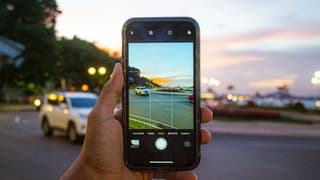
- Record the scene. Take photos and short videos of the bike, damaged parts, road position, number plates and visible third-party damage. Note the time, place and witnesses.
- Inform the insurer through an official channel. Use the helpline, website, app or claims portal in the policy. Record the claim reference and intimation date.
- Pause routine repairs. Emergency work needed for safety may be different, but the insurer should get a chance to inspect before parts are replaced or the bike is dismantled.
- Confirm the workshop route. For cashless settlement, check that the garage is in the insurer's network and that the claim is linked to the correct registration number and policy.
This sequence preserves the evidence connecting the accident to the repair estimate. It does not guarantee approval: the insurer still checks cover, policy conditions, rider documents, damage assessment and payable items.
3. Documents normally needed for a bike claim
Requirements vary by insurer and by the loss, but a standard file usually contains:
- Policy document or policy number and completed claim form.
- Registration Certificate, or registration and purchase papers where the bike is new and the RC is not yet available.
- Valid driving licence of the rider at the time of the incident.
- Repair estimate, final invoice and payment receipts.
- Photographs or video of the accident scene and damaged bike.
- FIR, police report, panchnama or non-traceable certificate where required, especially for theft, serious accidents or specified third-party claims.
- Bank details or a cancelled cheque for a reimbursement settlement, where requested.
Keep a dated copy of everything sent. If a document is missing, ask the insurer to identify the relevant item instead of sending unrelated papers.
4. Claim timelines: the checkpoints to track
As of 24 Oct 2026, the useful time limits come from IRDAI's 2024 policyholder-protection framework and are also repeated on current motor-claim pages. They are checkpoints, not a promise that every repair will finish in the same number of days. Parts availability, police investigation, an unclear loss or an incomplete file can change the practical schedule.
| Checkpoint | Published number or rule | What to record |
|---|---|---|
| Loss below the threshold | Loss below ₹50,000 need not be mandatorily surveyed by a registered surveyor under the 2024 framework; an app-based assessment may be used. | Whether the insurer selected video or app assessment and what evidence was requested. |
| Surveyor allocation | Within 24 hours of claim reporting for the applicable process. | Surveyor name, contact details and appointment time. |
| Survey report | Within 15 days of surveyor allocation. | Inspection date, report status and any document-deficiency message. |
| Claim decision | Within 7 days of the survey report or the insurer's final required documents, according to the published process. | Approved amount, deductions, rejection reason or written request for more information. |
The ₹50,000 threshold and the 24-hour, 15-day and 7-day checkpoints are drawn from the IRDAI framework and the claim-process material listed in Sources. Exact application depends on the policy and loss type. Retain the claim trail if a checkpoint is missed and use the insurer's grievance process.
Worked rupee example: why the estimate is not the payout
If an approved repair estimate is ₹30,000 and the policy schedule shows a ₹1,000 deductible, a simple illustration is ₹30,000 minus ₹1,000, leaving ₹29,000 before depreciation, excluded items, betterment, salvage, add-on limits or other policy deductions. This is arithmetic, not a payout promise.
5. Cashless claim versus reimbursement claim
The two routes mainly differ in who pays the garage first and where the repair takes place. Neither route removes deductibles or non-payable items.
| Point of comparison | Cashless claim | Reimbursement claim |
|---|---|---|
| Workshop | Usually an insurer network garage, subject to confirmation. | A chosen or non-network garage may be possible if the policy permits it. |
| Payment flow | Insurer pays the approved amount to the garage; the owner pays deductibles and non-payable costs. | Owner pays first and submits the invoice and receipts. |
| Main check | Confirm network status and written approval before work starts. | Confirm that the garage and repair method are eligible before paying. |
Ask for an itemised estimate showing labour, parts, depreciation, deductible and non-payable items. If the bike is off the road, use FuelPrice's fuel-cost calculator to budget temporary car trips and the live fuel-price tracker to check current rates. These tools do not affect the claim; they keep the wider mobility cost visible.
6. How a claim affects NCB and renewal
NCB belongs to the insured person and is calculated on the own-damage premium, not the third-party premium. IRDAI says the current range starts at 20% and can rise progressively to 50% after successive claim-free years. A claim can remove the earned NCB at the next renewal, although the result can depend on the policy and an NCB-protection add-on.
| Claim-free period before renewal | NCB on own-damage premium | Important limit |
|---|---|---|
| 1 year | 20% | Not applicable to third-party premium. |
| 2 consecutive years | 25% | Policy and renewal conditions still apply. |
| 3 consecutive years | 35% | A claim can change the next renewal position. |
| 4 consecutive years | 45% | Check the NCB shown on the renewal notice. |
| 5 consecutive years | 50% maximum | Do not declare a higher slab than the proof supports. |
If the own-damage part of a renewal quote is ₹8,000 and documented NCB is 20%, the arithmetic discount is ₹8,000 × 20% = ₹1,600, making the OD component ₹6,400 before taxes and add-ons. This example does not predict a quote. For the renewal stage, see FuelPrice's bike-insurance renewal guide.
7. Common reasons a claim needs more checking
- Wrong cover: third-party-only insurance cannot repair the insured bike.
- Repair before inspection: early dismantling can make original damage harder to verify.
- Policy or licence issue: an expired policy, invalid licence or use outside declared conditions can affect assessment.
- Unclear evidence: missing photos, inconsistent dates or no record of the other vehicle can create questions.
- Excluded damage: wear and tear, mechanical failure or excluded modifications are not automatically accident damage.
- Unexplained deductions: ask for the policy clause and itemised calculation.
Read a rejection or lower approval with the policy wording and written assessment. Ask for the specific reason, provide relevant evidence and use the insurer's grievance route if the explanation remains incomplete.
8. Practical claim checklist
- Save the policy number, insurer contact and claim reference.
- Check whether the incident is an own-damage, third-party, theft or add-on claim.
- Photograph the scene and bike before routine repair; keep the original files.
- Submit the policy, RC, licence, claim form and estimate, then add invoice and payment proof at settlement.
- Confirm the inspection or video survey and do not approve routine work until allowed by the process.
- Compare the approved amount with the estimate and ask for every deduction in writing.
- Check the next renewal notice for NCB, OD premium, deductibles and add-ons. For a long ride after repair, the Road Trip Planner can estimate fuel and stop costs separately.
Frequently asked questions
Can I claim bike damage under third-party insurance?
Normally, no. Third-party cover responds to legal liability for injury, death or property damage caused to others. Damage to your own bike generally needs package or standalone own-damage cover.
Can I repair my bike before inspection?
Routine repair before inspection can make the original damage harder to establish. Notify the insurer first and follow its instructions; keep evidence and receipts for emergency work needed for safety.
Is an FIR required for every bike claim?
No. It depends on the incident and policy process. Theft, serious accidents and specified third-party claims commonly need police documentation, while a minor own-damage claim may not.
Will a bike claim remove my NCB?
An own-damage claim generally affects the NCB earned for the claim-free period, but the exact result depends on the policy and any NCB-protection add-on. Check the renewal notice and policy wording.
Sources
- The Tribune/ANI, India's general insurance industry to see modest growth in FY27 amid pricing pressures: Report — 23 Oct 2026
- Emkay Global Financial Services, General Insurance Sector Report: Health and Motor steer growth; Fire and Crop a drag — 23 Oct 2026
- IRDAI, Motor Insurance: Policy Holder — accessed 24 Oct 2026
- IRDAI, Master Circular on Protection of Policyholders' Interests, 2024 — 05 Sep 2024
- Ministry of Finance/PIB, IRDAI Strengthens Regulatory Framework for Motor Insurance Claim Settlement — 16 Dec 2025
- TOI Auto, How To Claim Bike Insurance After An Accident: Documents And Process — 18 Oct 2026
- SBI General, Motor Claims — accessed 24 Oct 2026
- ICICI Lombard, NCB in Bike Insurance: No Claim Bonus for Two Wheelers — accessed 24 Oct 2026
- Unsplash, A man working on a motorcycle in a garage, photo by Mufid Majnun — published 09 Jun 2021; accessed 24 Oct 2026
This article is for general information only and is not financial, insurance or legal advice.