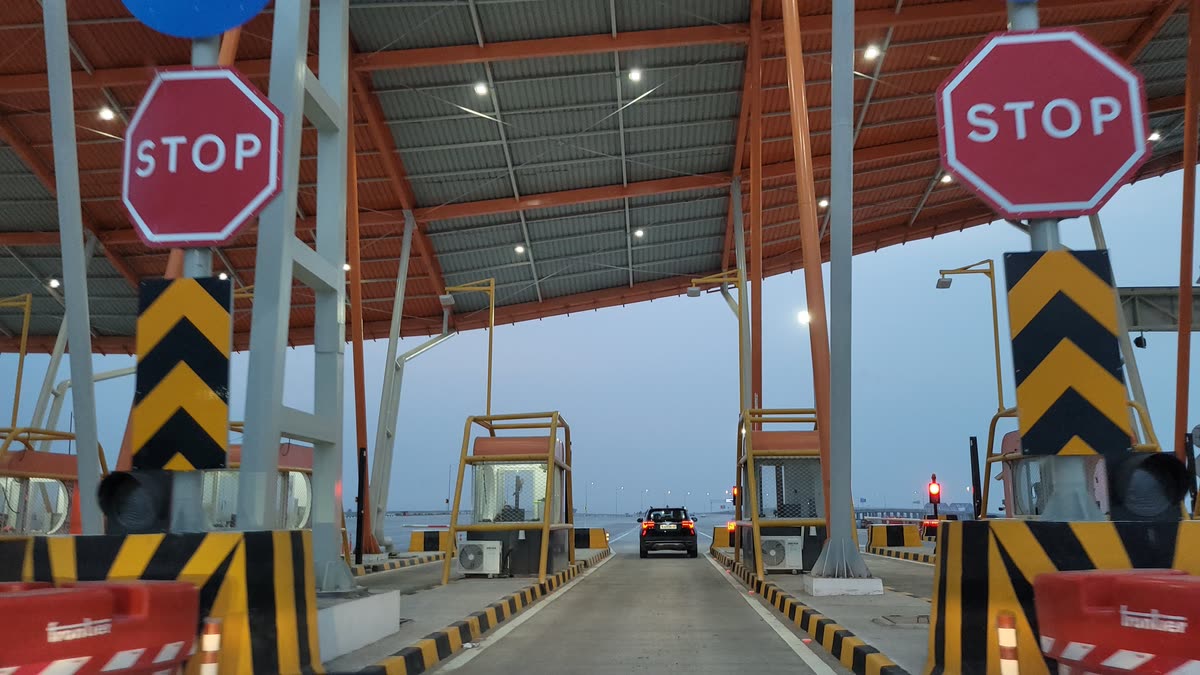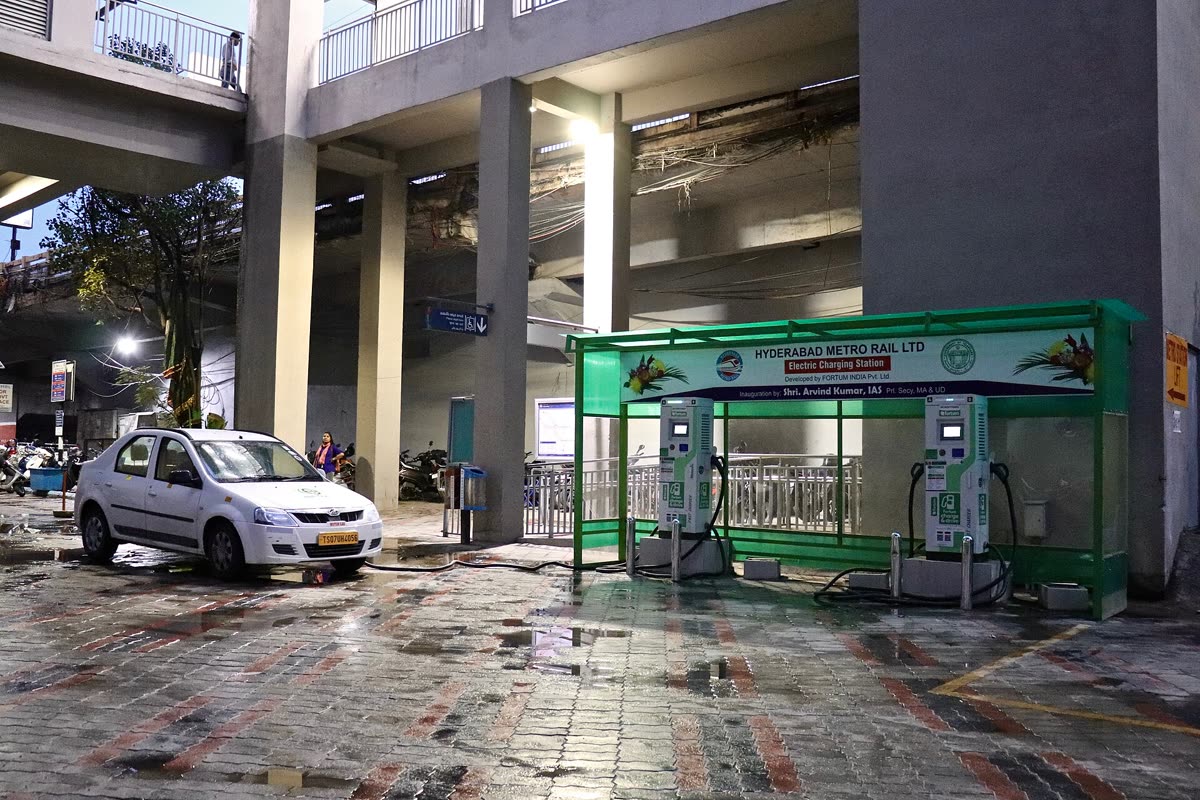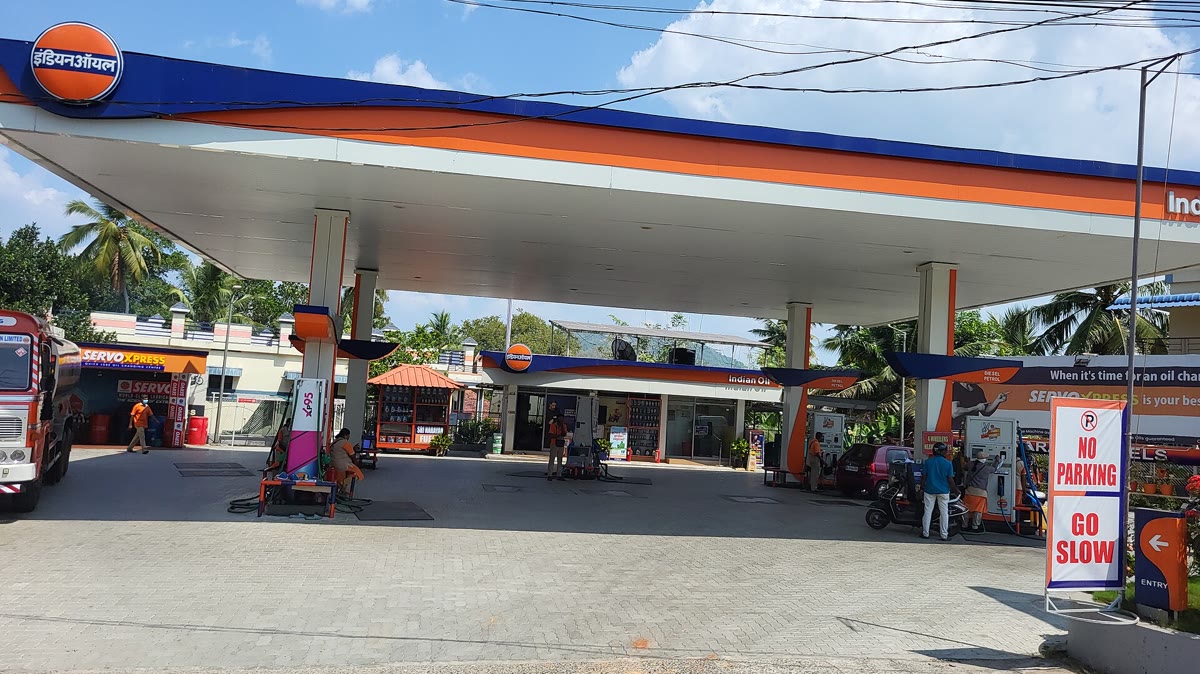
A road trip is easier when the vehicle documents are checked before the first kilometre, not at a fuel pump, toll plaza or roadside inspection. This guide gives Indian car and bike owners a point-by-point way to verify the Registration Certificate (RC), motor insurance, Pollution Under Control (PUC) certificate, driving licence and FASTag status.
The most important rule is simple: check each document's exact valid-up-to date, match the details to the vehicle's number plate and keep an official digital copy available. A current fuel and toll budget matters too, but it cannot compensate for an expired or mismatched compliance record.
Key takeaways
- Match the registration number, owner and vehicle details across the RC, insurance, PUC and FASTag account.
- For a private vehicle, the registration certificate is initially valid for 15 years; Parivahan says renewal can be applied for not more than 60 days before expiry.
- PUC timing depends on the certificate and applicable vehicle category. Use the printed valid-up-to date and the official lookup rather than an old reminder.
- Check FASTag status, balance, windscreen fitment and vehicle-registration-number match before a long highway run.
- The NCR no-PUCC-no-fuel direction is regional, not a single nationwide rule.
Why a document check matters before the trip
Compliance checks are becoming more connected to online vehicle records. The Commission for Air Quality Management said in its 15 May 2026 press release that its draft Direction No. 101 envisaged dispensing fuel in the NCR only to vehicles with a valid PUCC from 1 October 2026. On 14 November 2026, The Economic Times reported that Gurugram would begin a first phase of 300 automated number-plate-recognition cameras at petrol pumps to check PUC records. The trigger is current, but the lesson is evergreen: a paper copy or old SMS may not reflect the live record.
FuelPrice's recent VAHAN insurance and PUC status update is another reminder to check the vehicle record when a message, app status or policy document looks inconsistent. A mismatch may need correction by the insurer, authorised PUC centre, FASTag issuer or registering authority.
- Check at least a day ahead if the trip crosses a state border, uses several toll plazas or starts early.
- Save official portal results and keep the registered owner's mobile number active for OTP access.
1. Registration Certificate: confirm the vehicle identity
The RC is the base record against which other documents are matched. Compare the registration number, owner name, vehicle class, fuel type, manufacturer and the last visible digits of the chassis and engine numbers. If the car is financed, check whether the hypothecation entry is correct; if ownership or address has changed, start the VAHAN or RTO process before travelling.
Section 41 of the Motor Vehicles Act says a registration certificate is valid for 15 years from the date of issue and is renewable. Parivahan's guidance says an application for continuous use should be made not more than 60 days before registration expiry and lists the RC, insurance and PUC among documents that may be required. These are the statutory reference points as of November 2026; the date printed on the RC and the registering authority's current process control the action for a particular vehicle.
- Check the RC's registration date and valid-to date, not just the vehicle's model year.
- For a commercial or transport vehicle, also verify permit, tax and fitness records.
- MoRTH's 23 September 2019 advisory lists electronic RC and insurance information on DigiLocker and mParivahan for acceptance and validation.
2. Motor insurance: check the policy schedule, not only the insurer name
Third-party motor insurance is mandatory under the Motor Vehicles Act. For a trip, read the policy schedule and verify the policy number, insurer, registration number, engine and chassis details, start date and expiry date. Comprehensive or own-damage cover does not replace valid third-party liability cover.
Do not assume that an insurance renewal payment has corrected a VAHAN record immediately. Save the issued policy, then check that the new validity is reflected in the official vehicle record when available. If the registration number, owner name, fuel type or policy dates are wrong, ask the insurer to correct the record and keep the acknowledgement. For the renewal-date and NCB workflow, see FuelPrice's car insurance policy dates and renewal guide.
- Compare cover, IDV, deductibles and exclusions along with any premium; actual offers vary by vehicle, location, claim history and profile.
- Keep own-damage, personal-accident and add-on terms separate from the mandatory third-party validity.
3. PUC certificate: verify the live validity date
Use the official Parivahan PUC lookup with the registration number and requested chassis details. Check the certificate number, vehicle number, emission result and exact valid-up-to date. A receipt for visiting a PUC centre is not the same as a valid certificate if the record has not been generated or updated.
MoRTH's PIB explanation of Rule 115(7), published on 22 July 2021, says that after the first year from registration a vehicle must carry a valid PUC certificate. It states six months as the general validity and 12 months for vehicles manufactured to BS-IV or BS-VI norms. Because rules and state systems can be updated, use those dated figures as background and follow the valid-up-to date shown on the current certificate and portal.
CAQM's fuel restriction concerns the NCR; a driver elsewhere should still maintain a valid PUC but check the relevant state and city enforcement instructions rather than assuming the same fuel-pump workflow applies everywhere.
- Renew before expiry and allow time for a failed test, correction or portal update.
- Use an authorised centre and reject a certificate whose registration number or fuel type is wrong.
4. Driving licence and vehicle-use documents
The driver must have a licence covering the vehicle class and valid for the journey. Check the licence expiry, name and address details in the official record. If another person will drive, check that person's licence too.
Transport vehicles, taxis and goods carriers can need additional permits, fitness certificates, tax receipts or authorisations. The exact list depends on the vehicle and route. Treat each document's printed valid-to date as a separate checkpoint; an RC or insurance policy does not prove that a permit or fitness certificate is current.
5. FASTag: check the tag, wallet and vehicle match
IHMCL's FAQ describes the one-vehicle-one-FASTag rule: only one active tag should remain linked to a vehicle. Open the My FASTag facility or issuing bank account and check that the tag is active, has sufficient balance and is linked to the correct vehicle registration number. IHMCL describes green as active, orange as low balance and red as blacklisted in its tag-status facility.
The FAQ says the physical tag has a five-year validity, incomplete non-KYC wallets can face restrictions after two years, and a KYC upgrade can take a maximum of seven working days. These operational figures were checked in November 2026. A tag carried in a hand, attached to the wrong vehicle or damaged on the windscreen can create a toll-lane problem even when the wallet has money.
- Affix the tag on the assigned vehicle's windscreen, recharge before the trip and save the issuer-bank number.
- For a toll-plaza problem, IHMCL lists 1033 as the national FASTag helpline. Use FuelPrice's toll-charge calculator separately to estimate the route's cash requirement.
- If the car was sold, ask the old issuer to close the old wallet and let the new owner obtain a new tag.
Quick comparison: what to check and when
The table below brings together dated figures useful for planning. It is not a replacement for the document's own expiry date or a state transport department's current instruction.
| Document or check | What to match | Dated validity or trigger | Where to verify |
|---|---|---|---|
| RC | Registration number, owner, class, fuel and hypothecation | 15 years from issue; renewal application not more than 60 days before expiry | RC, mParivahan or VAHAN |
| Motor insurance | Policy number, vehicle details, cover and start/end dates | Use the policy schedule's exact expiry; third-party liability is mandatory | Insurer document and official vehicle record |
| PUC | Registration number, certificate number, result and valid-up-to date | After the first registration year; PIB's 2021 explanation states 6 months generally and 12 months for BS-IV/BS-VI | Parivahan PUC lookup |
| FASTag | Active status, balance, VRN match and windscreen fitment | Physical tag validity 5 years; KYC processing up to 7 working days | My FASTag and issuer bank |
| NCR fuel check | Valid PUCC before refuelling | CAQM direction envisaged the restriction from 1 Oct 2026 in the NCR | Current local notice and fuel-pump process |
Worked rupee example: budget fuel and tolls separately
Suppose a car trip covers 600 km in total and the owner uses a planning assumption of 15 km per litre. Fuel required is 600 ÷ 15 = 40 litres. PPAC listed Delhi petrol at ₹102.12 per litre on 13 November 2026, so the dated fuel example is 40 × ₹102.12 = ₹4,084.80, or about ₹4,085.
Add an illustrative toll input of ₹650 for the chosen route: ₹4,084.80 + ₹650 = ₹4,734.80 before parking, food and contingencies. The ₹650 is only a route-planning input, not a universal toll rate. Put the actual route into FuelPrice's fuel-cost calculator, use the current city price and add the toll result separately. At 40 litres, every ₹1 change in fuel price changes this example by ₹40.
Departure-day checklist
- Write down RC, insurance and PUC valid-to dates and compare the registration number across all three.
- Open the official PUC lookup and save the current result, including the certificate number where requested.
- Verify the insurer's policy period, vehicle, owner, cover and NCB information.
- Check the licence for every driver and add permit, fitness, tax and route-authorisation checks for commercial vehicles.
- Open My FASTag, confirm active status, recharge if needed and check the sticker is on the correct windscreen.
- Keep official digital documents available offline where possible, carry readable paper copies if needed, and plan fuel, tolls and stops with the road-trip planner.
FAQ
Is a DigiLocker or mParivahan document enough for a road trip?
MoRTH's advisory lists electronic RC and insurance information presented through DigiLocker and mParivahan for acceptance and validation. Keep the official app or document accessible, and carry a paper backup when the phone, battery or network may be a problem.
How often does a vehicle need a PUC certificate?
The certificate's valid-up-to date is the first thing to follow. MoRTH's 2021 PIB explanation of Rule 115(7) says the requirement starts after the first registration year, with six months as the general validity and 12 months for BS-IV and BS-VI vehicles; current portal and certificate details take priority.
What should I do if FASTag is active but the toll lane does not read it?
Check the My FASTag status, wallet balance, tag fitment and vehicle-registration-number match, then contact the issuer bank. IHMCL lists 1033 for toll-plaza-level FASTag complaints, including a tag not being read or a plaza not accepting FASTag.
Does the NCR no-PUCC-no-fuel rule apply across India?
No. The current CAQM direction is for the National Capital Region. A valid PUC remains a general vehicle-compliance requirement, but fuel-pump checks, local restrictions and enforcement steps can vary by state or city.
Sources
- Commission for Air Quality Management — Press release on Draft Direction No. 101 and valid PUCC fuelling restriction — 15 May 2026
- The Economic Times/PTI — Gurugram to install 300 ANPR cameras at petrol pumps to enforce no-PUC-no-fuel rule — 14 Nov 2026
- Press Information Bureau, MoRTH — One Nation, One PUC — 15 Dec 2021
- India Code — The Motor Vehicles Act, 1988, Section 41 on registration validity — accessed 15 Nov 2026
- Parivahan Sewa — Renewal of Registration Certificate — accessed 15 Nov 2026
- Indian Highways Management Company Limited — FASTag FAQ — accessed 15 Nov 2026
- MoRTH/mParivahan — Acceptance of DL, RC, vehicle insurance and related information through DigiLocker and mParivahan — 23 Sep 2019
- Petroleum Planning and Analysis Cell — Retail selling price of petrol and diesel in metro cities — 13 Nov 2026
- Wikimedia Commons — Indian Oil Fuel Filling Station NH-47, photograph by Athulvis, CC BY-SA 4.0 — 1 Feb 2025
This article is for general information only and is not financial, insurance or legal advice.