Alternative fuels key to making India self-reliant: Nitin Gadkari
By Rahul Goyal·Last Updated: Nov 30, 2024, 12:00:00 AM IST
Minister Nitin Gadkari emphasizes the importance of switching to biofuels and electric vehicles for sustainable development. India's transport sector heavily contributes to air pollution, and significant fossil fuels are imported annually. Initiatives like bio-CNG projects and municipal waste-to-bio-CNG projects are promoting a green economy, creating jobs, boosting exports, and making India self-reliant.
Mumbai: Transitioning to alternatives like biofuels and electric, among others, is critical for pursuing sustainable development and making India self-reliant said minister for road transport and highways Nitin Gadkari . India's transport sector accounts for 40% of air pollution and fossil fuel worth ₹22 lakh crore is imported every year, Gadkari said Wednesday in his address at the 'Times Drive Green Conclave & Awards 2024'. The event honoured winners across over 20 categories in the electric mobility and sustainability sectors.
"India is the fastest-growing economy in the world and our mission is to make India Aatmanirbhar Bharat - and pursue sustainable development," Gadkari added.
CNG-powered vehicles are gaining popularity in regions like Punjab, Haryana, Western Uttar Pradesh, Karnataka, and Maharashtra, and over 400 bio-CNG projects underway, the minister noted, adding that he has supported the transition to electric and biofuels for tractors.
Initiatives like the municipal waste-to-bio-CNG projects in Nagpur show the potential of a green economy to drive sustainability, create jobs, boost exports, and make India self-reliant, he said.
Nominations for ET MSME Awards are now open.
The last day to apply is November 30, 2024.
Click here to submit your entry for any one or more of the 22 categories and stand a chance to win a prestigious award.
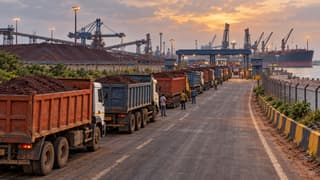
A report says hundreds of truck drivers protested at Paradip Port over unloading delays, with a 15–20 km queue affecting roads near the Odisha gateway and raising idling-cost concerns.
OPEC now sees India's oil demand growing by 40,000 barrels per day in 2026, down from its September view of 60,000 b/d. Petrol and diesel remain the main drivers.
Hyundai Motor Group has announced a USD 15.5 billion India investment through 2032 across factories, R&D and suppliers. Here is what it could mean for buyers and EV users.
Freight for Russian Urals crude to India hit early-October records, reaching $27-$30 million per Black Sea voyage. That raises landed-cost pressure, but does not automatically change pump prices.