Ashok Leyland's fresh 715-vehicle order from VRL Logistics is more than a routine commercial-vehicle sales update. It is a live signal from one of India's important surface-transport operators that freight capacity, uptime and fleet renewal remain active priorities even when diesel cost, financing cost and logistics margins are under constant watch.
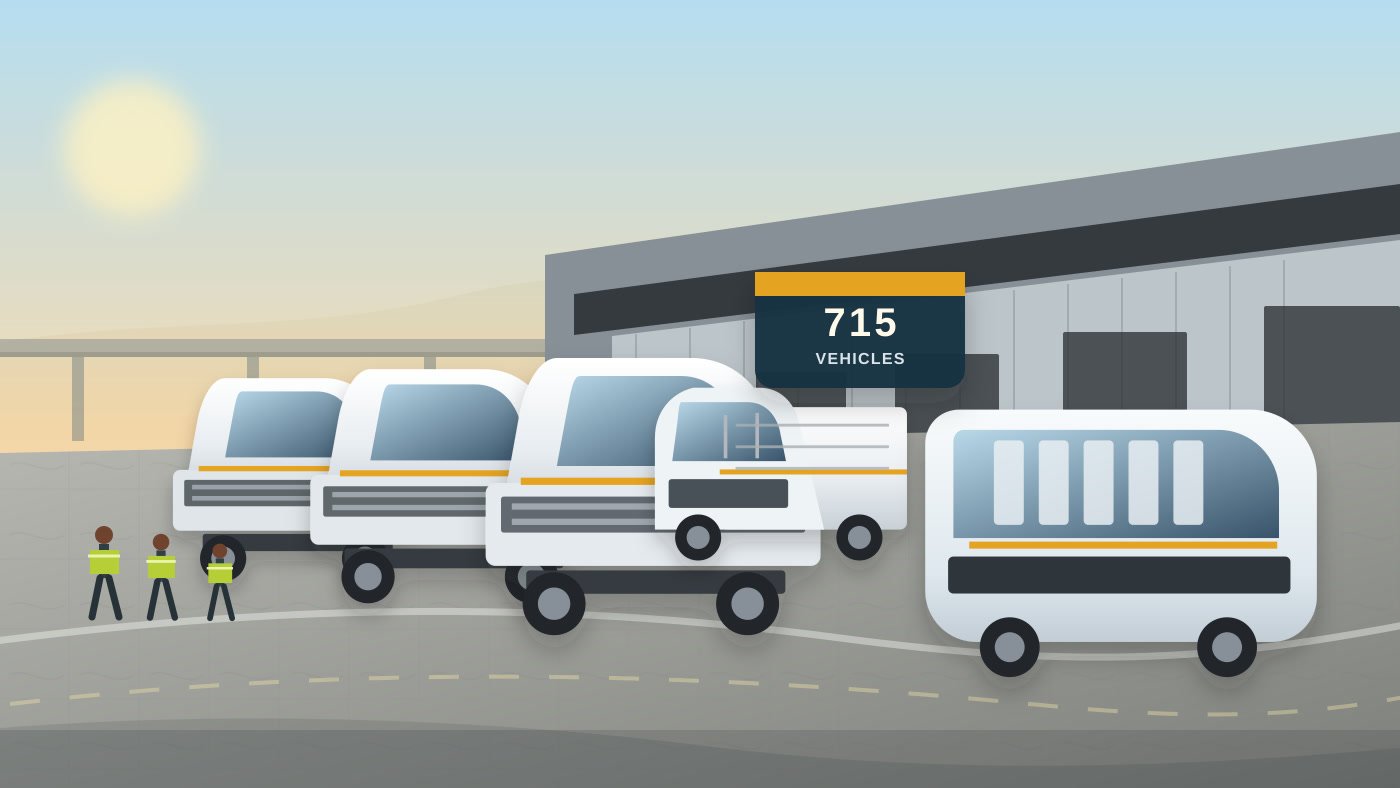
The company announced the order on 25 May 2026. The package includes AVTR 3120 haulage trucks, BOSS 1615 trucks and Oyster staff buses. Ashok Leyland said deliveries are already underway: 300 trucks have been delivered and the remaining 415 vehicles are scheduled for execution during the current year. The financial value of the order has not been disclosed.
What exactly has changed?
Before this order, the main story for large fleet operators was familiar: replace ageing vehicles carefully, protect network reliability, and avoid adding capacity that does not earn enough per kilometre. After this order, VRL Logistics has a clearer renewal path for part of its surface-transport fleet, while Ashok Leyland gets another visible order win in the medium and heavy commercial vehicle space.
The mix matters. AVTR 3120 haulage trucks point directly to long-haul freight movement. BOSS 1615 trucks add intermediate capacity for routes that do not always need the heaviest vehicle class. Oyster staff buses show that the order is not only about freight boxes; it also supports people movement inside a large logistics operation. For a transporter, that combination is a practical fleet decision rather than a headline-only purchase.
Why freight users and fuel users should care
Large transport orders affect more than the manufacturer and the buyer. They influence delivery reliability for businesses using parcel and goods transport, maintenance demand at service networks, replacement cycles for old trucks, and diesel consumption across high-mileage routes. In India, road freight is still deeply tied to diesel. Any fleet decision that improves uptime, lowers stoppages or reduces maintenance surprises can indirectly affect the cost discipline of goods movement.
Ashok Leyland says the vehicles are engineered for operational performance, reliability, lower maintenance downtime and better fleet productivity. FuelPrice is treating that as an operational claim, not as a guaranteed fuel-saving number. The company has not disclosed a specific mileage improvement for this order. However, fleet owners normally evaluate a truck on total cost of operation: diesel use, tyre life, driver comfort, maintenance interval, route uptime, financing and resale value. A large repeat order suggests those metrics are central to the buyer's decision.
The 715-vehicle order in numbers
| Detail | Confirmed information | Why it matters |
|---|---|---|
| Order size | 715 vehicles | Large enough to signal fleet expansion or replacement at scale. |
| Vehicle mix | AVTR 3120, BOSS 1615 and Oyster staff buses | Covers long-haul freight, intermediate truck use and staff mobility. |
| Delivery status | 300 trucks delivered; 415 planned in the current year | The order is already moving into operations rather than remaining only a booking. |
Impact on logistics and the auto market
For VRL Logistics, the order fits the logic of a large hub-and-spoke goods-transport network. The company's FY25 annual report describes a broad branch and franchisee network across India, with goods transport as the core continuing operation. When such a network adds or renews trucks, the effect is felt in route availability, parcel handling reliability and the ability to keep vehicles running instead of parked for repair.
For Ashok Leyland, the order strengthens visibility in a competitive commercial-vehicle market where operators are sensitive to service reach and lifecycle cost. Moneycontrol separately reported that Ashok Leyland shares rose 3.5 percent on May 25 after the order announcement. That market reaction does not decide the long-term business value of the contract, but it shows why investors track large fleet orders closely: they provide evidence of demand from professional buyers rather than only dealer-level retail movement.
What changes now for operators?
The immediate change is capacity and replacement discipline. Newer trucks can help a fleet reduce unexpected breakdown risk, standardise maintenance planning and match vehicle size to route type. For customers using logistics services, the visible benefit is not always a lower freight bill next month. It is more likely to be improved predictability, fewer route disruptions, and better service consistency if the new vehicles are deployed efficiently.
Diesel remains the biggest variable. A truck can be reliable and still face pressure if pump prices rise, toll costs change, tyre expenses climb or loading efficiency weakens. That is why this order should be read as a fleet-quality and uptime story rather than a simple fuel-saving story. The real test will be cost per kilometre across fully loaded routes, maintenance downtime over the first year, and whether better uptime helps absorb fuel volatility.
What to watch next
- Whether the remaining 415 vehicles are delivered on schedule during the current year.
- How quickly VRL deploys the new trucks into high-utilisation freight corridors.
- Whether other large logistics operators announce similar replacement or expansion orders.
- How diesel prices, toll costs and financing rates affect commercial-vehicle demand in the next two quarters.
- Whether Ashok Leyland converts large fleet wins into repeat orders, service revenue and stronger MHCV momentum.
The reader takeaway is straightforward: this 715-vehicle order is not just an OEM sales headline. It is a practical sign that large Indian logistics operators are still investing in newer diesel-heavy commercial fleets where uptime, service support and route productivity matter as much as purchase price. For fuel users and freight customers, the impact will show up through network reliability and operating cost discipline, not through an overnight change in diesel bills.
Sources checked
Sources: Ashok Leyland official release; Moneycontrol/PTI; Business Standard; Autocar Professional; Moneycontrol market report; VRL Logistics FY25 annual report.