Brent crude futures fell 3.46% to US$89.37 a barrel on 23 Nov 2026 after Libya’s Sharara pipeline reopened and Middle East supply flows increased, according to Reuters. For drivers, freight operators and fuel buyers worldwide, the move signals easing near-term crude tightness—but it does not guarantee an immediate fall at the pump because refining, freight, taxes and currency movements sit between crude and retail fuel.
Key takeaways
- January Brent futures settled at US$89.37 per barrel on 23 Nov 2026, down US$3.20, or 3.46%, Reuters reported; Xinhua, carried by NAMPA, reported the same settlement.
- January West Texas Intermediate (WTI) futures settled at US$80.17 per barrel, down US$3.24, or 3.88%, on the same date.
- Libya’s Sharara line reopened and crude began moving into storage at the Akakus facility in Zawiya after a valve closure disrupted the route.
- The National Oil Corporation said the closure threatened about 350,000 barrels per day of Sharara production, while a separate Hamada pipeline disruption means Libya’s supply risk has not disappeared.
- OPEC+ ministers are due to meet later in November 2026 to discuss the group’s 2027 output policy, another potential market catalyst.
What changed in the oil market
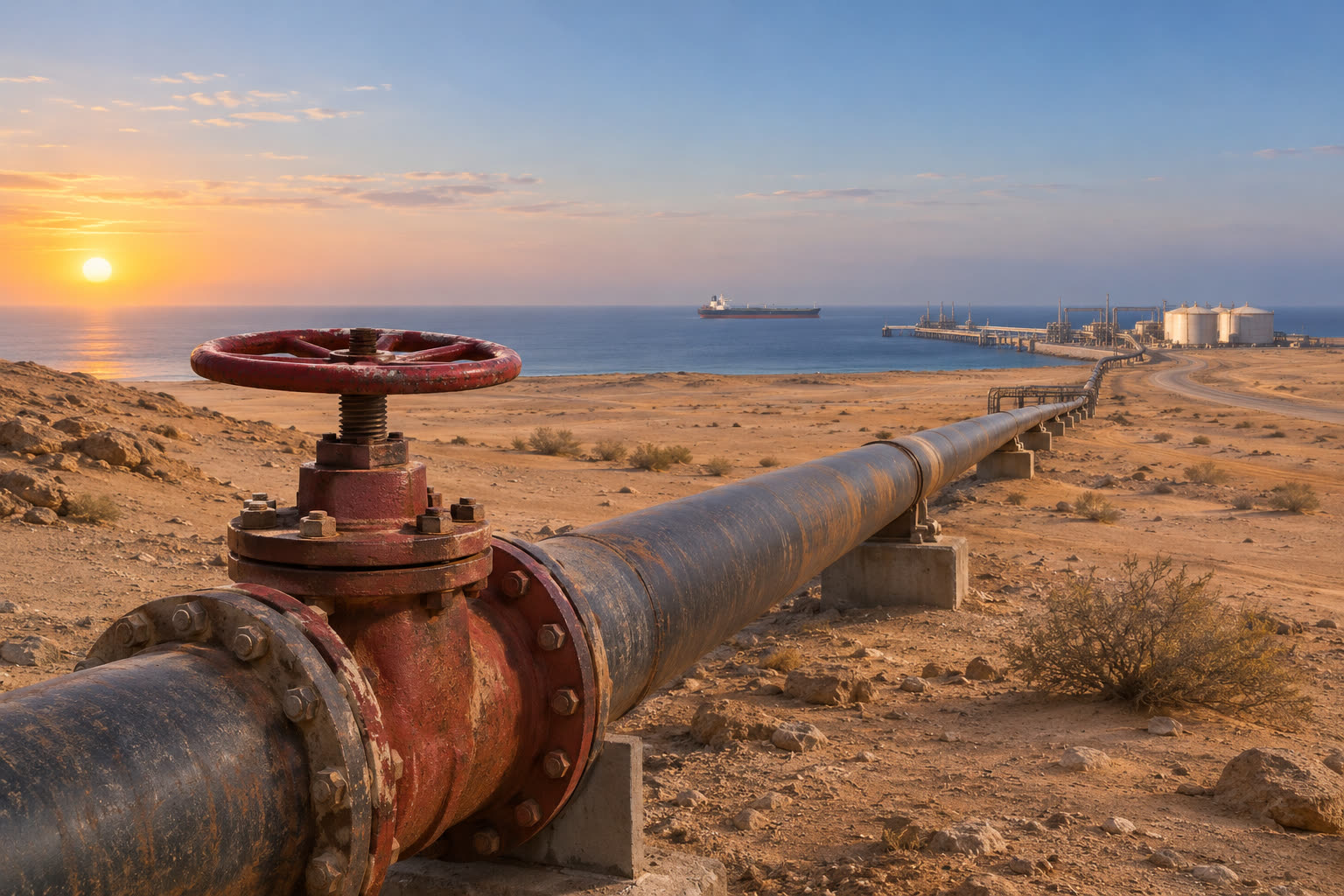
The immediate development was a return of crude flow through the Sharara-to-Zawiya route. Libya’s state-run National Oil Corporation (NOC) said on 23 Nov that an outlaw group had closed a valve on the pipeline, a disruption it estimated could remove about 350,000 barrels per day from Sharara’s production. The NOC’s statement also said the Hamada pipeline remained closed, leaving a second supply problem in place.
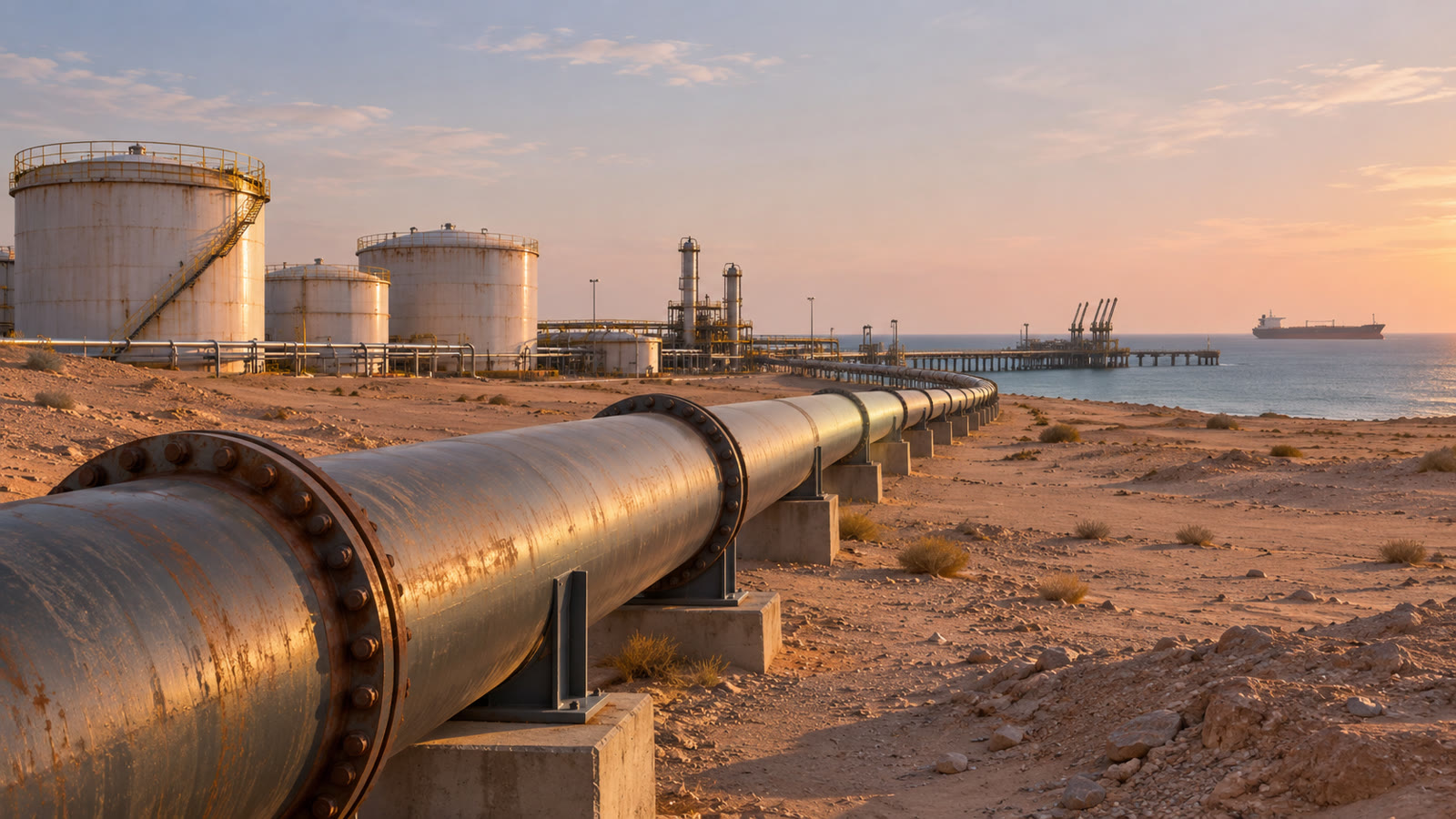
Later on 23 Nov, NOC Chairman Masoud Suleiman said the Sharara pipeline had reopened and that crude was beginning to reach storage tanks at the Akakus facility in Zawiya. The Libya Observer reported the same resumption, attributing it to the NOC. That is a materially different development from the earlier closure: flow has restarted, but the market still needs to see whether the restart holds and how quickly production returns to normal.
The previous closure and its supply risk were covered in an earlier report on Libya’s pipeline disruption. The new event is the reopening and the resulting change in the market’s near-term supply calculation.
Why Brent and WTI moved lower
Reuters said traders weighed higher Middle East supplies and Libya’s pipeline restart against continuing concerns about attacks on shipping and refinery infrastructure. With more barrels expected to move through key export channels, the supply side temporarily outweighed the risk premium that had supported crude prices.
Reuters reported that January Brent settled US$3.20 lower at US$89.37 per barrel, a 3.46% decline, while January WTI fell US$3.24, or 3.88%, to US$80.17 per barrel on 23 Nov 2026. Xinhua’s market report, distributed by NAMPA, independently recorded the same Brent and WTI settlement figures.
A single futures settlement should not be read as a guaranteed direction for the next fuel bill. Crude is only one input into petrol, diesel and jet-fuel prices. Refinery margins, product inventories, shipping costs, local taxes, exchange rates and the timing of wholesale-price pass-through can all change the result for a driver or fleet.
What it means for global fuel users
For motorists, the practical signal is not that pump prices must fall immediately, but that a major crude benchmark has given back some of its recent risk premium. Retail prices are more likely to respond if the lower crude price persists and refined-product markets also soften. Anyone comparing local prices can use FuelPrice’s live fuel-price pages to check the market they actually buy in, rather than assuming a global headline maps one-for-one to a local forecourt.
For long-distance freight and delivery operators, the pipeline restart matters because diesel costs feed into route economics, freight surcharges and the cost of goods. Yet the Hamada disruption and continued shipping risk are reminders that a local infrastructure event can still tighten regional supply even when benchmark crude is falling. A fleet assessing a route should compare fuel assumptions with current tolls and distance in the fuel-cost calculator.
For people mapping a longer drive, FuelPrice’s road-trip planner can help separate distance and route assumptions from the uncertain future price of fuel.
Airlines, shipping companies and refiners also watch the spread between crude and finished products. If crude falls while diesel or jet-fuel availability remains constrained, consumers may see less relief than the headline crude move suggests. Conversely, if refinery runs and product trade flows recover, the benefit can reach wholesale markets with a lag.
What to watch next
Libya’s restart and the Hamada line
The next confirmation is operational: whether Sharara flows continue into Zawiya storage and whether Libya can restore production without another valve closure. The Hamada line remains a separate vulnerability, so the Sharara restart does not remove all of the country’s supply risk.
OPEC+ policy and shipping security
Reuters said OPEC+ ministers will meet later in November 2026 to decide the group’s 2027 output policy. Any signal that producers intend to limit or increase supply could compete with the bearish effect of the Libyan restart. At the same time, shipping and refinery incidents around the Middle East remain an upside risk for crude and refined products; renewed disruption could quickly reverse the latest price move.
The reader takeaway
Libya’s Sharara pipeline reopening is a real supply improvement, and the 23 Nov settlements show how quickly oil prices can react when expected barrels return to the market. But the development is not the same as a guaranteed cut in retail fuel prices. Check local rates, allow for a delay in pass-through, and keep an eye on Libyan flows, refined-product markets, shipping security and the upcoming OPEC+ meeting before treating one day’s crude move as a lasting trend.
This article is for general information only and is not financial, insurance or legal advice.
Sources
- Reuters via MarketScreener — Oil slumps to 3-month low on increased Middle East flows, Libyan pipeline restart (23 Nov 2026).
- Libya National Oil Corporation — Statement on the closure of a valve on the Sharara oil pipeline (23 Nov 2026).
- The Libya Observer — NOC reopens Sharara oil pipeline and resumes pumping (23 Nov 2026).
- Associated Press — Ukrainian naval drones hit Russian warship in Libya, and other Mideast news (23 Nov 2026).
- Xinhua via NAMPA — Crude futures settle lower (23 Nov 2026).