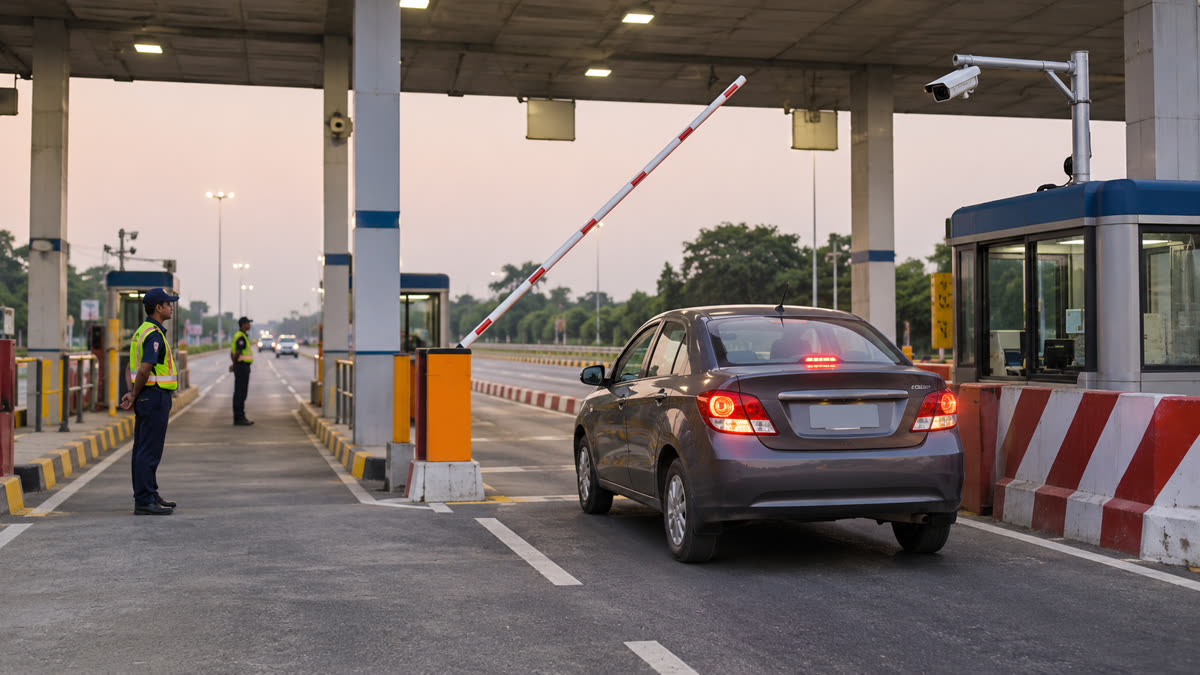
Chandigarh consumer commission has directed United India Insurance to pay ₹2,93,507 plus interest after rejecting a motor-insurance claim over an error in the dates of the policyholder’s earlier cover, according to reports published on 10 Nov 2026. The order matters because the commission found that the insurer already had the correct earlier policy document when it issued the new cover; it is not a blanket rule that every proposal-form error must be overlooked.
Key takeaways
- The Chandigarh commission ordered payment of ₹2,93,507, with 9% annual interest from the date of claim repudiation.
- The policyholder had entered incorrect start and end dates for the earlier policy in an online proposal form, but had also submitted a copy showing the correct dates.
- The insurer had cited a two-day break in coverage and the absence of pre-inspection when rejecting the claim, according to The Times of India and Outlook Money.
- The order also awarded ₹10,000 for mental agony and ₹10,000 towards litigation costs.
- The decision turns on the documents and facts in this dispute; it does not make every insurance-form mistake harmless or change motor-insurance rules for all policyholders.
What happened in the Chandigarh claim
The policyholder, Neeraj Garg, bought a fresh motor-insurance policy from United India Insurance in April 2025 after his earlier Tata AIG policy expired. While completing the online proposal form, he entered the earlier policy period as 3 Apr 2024 to 2 Apr 2025. The correct period was 2 Apr 2024 to 1 Apr 2025, and the reports say a copy of the earlier policy showing those dates was also supplied to the insurer.
United India Insurance accepted a premium of ₹19,520 and issued the new policy. When Garg’s car met with an accident near Kartarpur in July 2025, the insurer rejected the claim, citing the date mismatch as a two-day break in coverage and also pointing to the absence of pre-inspection. The case then went before the Chandigarh consumer commission.
Why the commission ordered the claim payment
The commission noted that the correct dates were already available in the earlier policy document held by the insurer when the new policy was issued. Its own surveyor had assessed the insurer’s net liability at ₹2,93,507. On the facts reported by both outlets, the commission treated rejection on the date discrepancy as hyper-technical and held it amounted to deficiency in service and an unfair trade practice.
The financial order has several separate parts. The assessed claim amount is ₹2,93,507. Interest is 9% a year from the date the claim was repudiated. The insurer was also directed to pay ₹10,000 for mental agony and ₹10,000 towards litigation costs. These figures describe the commission’s order in this individual case, not a standard payout that applies to all car claims.
What the decision means for policyholders
Dates are part of the cover record
A motor policy is tied to a stated period of insurance. An incorrect date in a proposal form can create a question about continuity, especially when an older policy has expired and a new policy is being issued. The practical issue in this case was not only what was typed into the form, but also what supporting document the insurer received and retained before accepting the premium.
The insurer’s file can matter
The commission’s reasoning, as reported, focused on the fact that the insurer already had the earlier policy with the correct dates. That does not remove a policyholder’s responsibility to provide accurate information. It does show why the proposal form, uploaded documents, payment receipt, issued schedule and later correspondence should be read as one record when a claim is examined.
The order is fact-specific
The reported decision should not be read as saying that an insurer can never reject a claim after an incorrect declaration. A material misstatement, an actual lapse, an excluded use or a missing condition can raise different questions. Here, the commission’s finding was tied to the available earlier policy, the insurer’s acceptance of the risk and the surveyor’s loss assessment. The reports do not establish a new IRDAI rule or a general waiver of policy conditions.
What to check when buying or renewing car insurance
For a cleaner record at renewal, policyholders can compare the old policy with the new proposal before the policy is issued. The following checks address the document trail highlighted by the case:
- Match the old policy’s start date, end date, insurer and policy number with the details entered in the new proposal form.
- Check the issued schedule for the new policy period, vehicle details, insured declared value, selected covers and any inspection condition.
- Keep the previous policy, proposal form, uploaded documents, premium receipt and issued policy together, including the email or screen confirmation for an online purchase.
- If an error is noticed, record the correction with the insurer and retain the response rather than relying only on a phone conversation.
- If a claim is rejected, request the repudiation reason and the relevant survey or assessment details in writing, then compare them with the policy documents before deciding the next complaint step.
Owners looking for the broader distinction between third-party liability, personal-accident protection, occupant cover and own-damage protection can read FuelPrice’s motor-insurance four-layer guide. For a rejected or unresolved motor claim, the car-insurance complaint and escalation guide explains the documented grievance routes. Questions about invoice-based protection can be read alongside the return-to-invoice insurance guide, while keeping the individual policy wording as the controlling document.
What to watch next
The immediate practical question is whether the insurer complies with the Chandigarh commission’s payment direction or pursues any further legal remedy; the reports do not establish that outcome. For other vehicle owners, the useful takeaway is narrower and more durable: a renewal record should show the correct dates and the documents supplied at the time of purchase, and a claim decision should be tested against that complete record rather than a single data field in isolation.
Sources
- The Times of India — Chandigarh car claim date-entry error and consumer panel order — 10 Nov 2026
- Outlook Money — United India Insurance told to pay ₹2.93 lakh after rejecting car claim over policy date error — 10 Nov 2026
This article is for general information only and is not financial, insurance or legal advice.