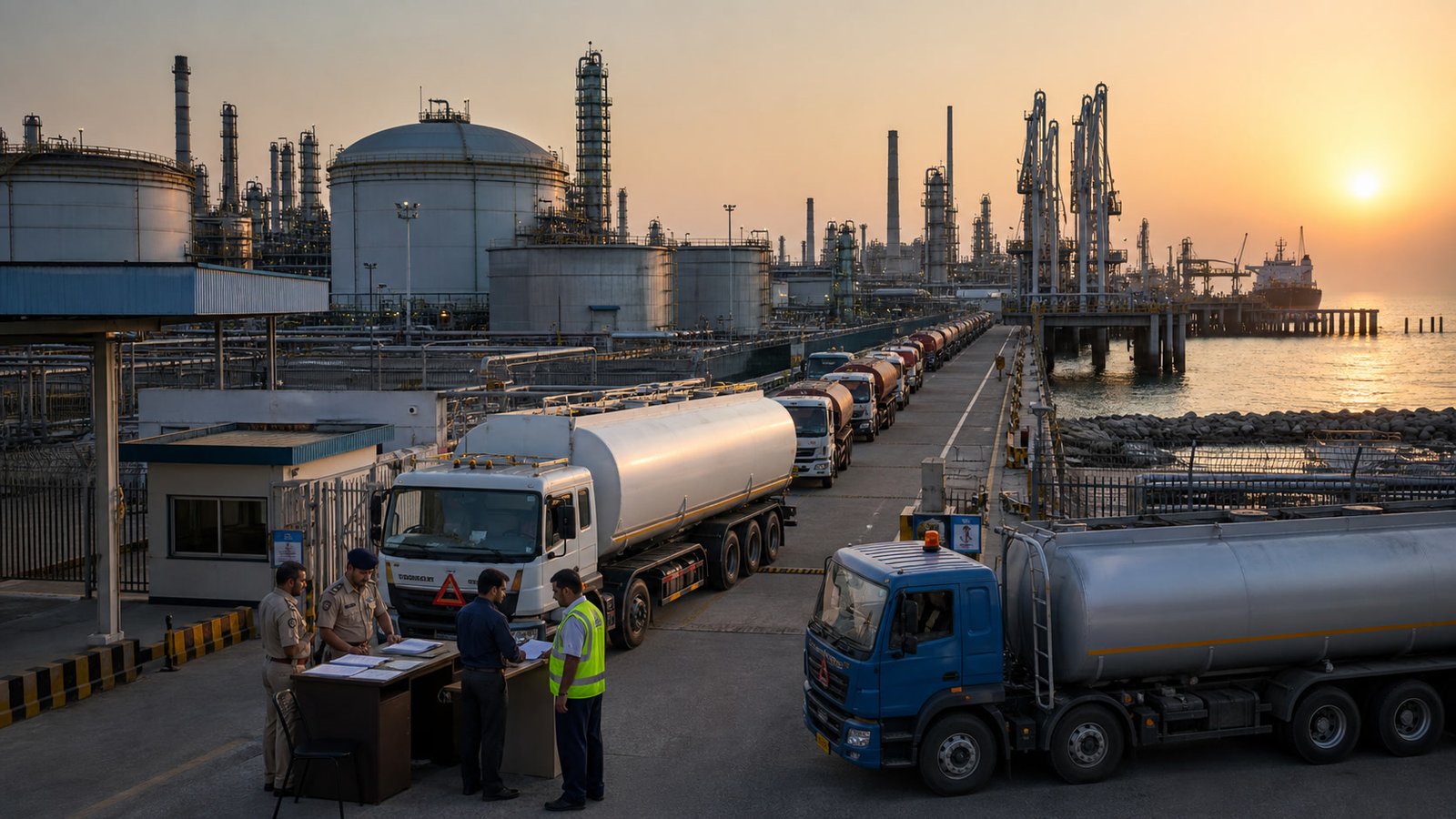
India has revised its fuel export levy structure again, this time for the fortnight beginning 1 June 2026. In a fresh notification cycle, the Centre has cut the levy rates on petrol, diesel and aviation turbine fuel (ATF) exports while keeping domestic retail-fuel excise unchanged. For consumers tracking pump prices, the key message is simple: this is an export-policy reset, not a direct tax cut on petrol and diesel sold at Indian fuel stations.
 India has lowered export levies for petrol, diesel and ATF for the June 1, 2026 fortnight, signalling a recalibration in fuel-export economics.
What Exactly Changed From 1 June 2026
According to the Ministry of Finance press release issued on 31 May 2026 and the accompanying Central Excise notifications, the revised rates for the next fortnight are:
- Petrol exports: Rs 1.5 per litre
- Diesel exports: Rs 13.5 per litre
- ATF exports: Rs 9.5 per litre
The release also explicitly states there is no change in the existing excise duty on petrol and diesel sold in the domestic market. The revised rates have been notified through Notification No. 24/2026-Central Excise and Notification No. 25/2026-Central Excise, published in the Gazette of India.
Before vs After: Why This Move Matters
Fortnightly levy reviews have become a key policy tool in 2026 as authorities respond to global energy volatility and changing refining-export margins. Compared with the previous fortnightly structure (as reported by mainstream financial media), the latest round is a meaningful reduction across all three export fuels. That means exporters now face a lower duty outgo per litre than they did in the mid-May period.
For India’s large private and state-run refiners, export duty shifts directly affect how they optimize domestic sales versus export dispatches. Even a modest change in duty per litre can alter net realization on high-volume cargoes, especially for diesel and ATF. In practical terms, this can influence cargo timing, destination preferences, and refinery marketing strategy over the next few weeks.
Impact on Fuel Users, Transporters and Airlines
Although the duty change is on exports, it still matters to downstream users because India’s fuel ecosystem is interconnected:
- Road logistics and trucking: Diesel is the backbone fuel for freight movement. Export-duty cuts can improve refinery export economics but do not automatically translate to immediate pump price changes in India, since domestic retail pricing depends on broader crude trends, OMC strategy and policy decisions.
- Aviation and travel: ATF levy reduction can support better export competitiveness and may influence fuel market balance. Airlines and aviation-linked sectors will still watch global crude and jet-fuel cracks closely.
- Industrial and inflation-sensitive sectors: Any policy that changes fuel trade economics can feed into expectations for freight costs, manufacturing input bills and inflation trajectory, even if the immediate retail tax structure is unchanged.
What This Does Not Mean
There are two common misreadings of such announcements. First, this is not a direct cut in excise on domestic petrol and diesel retail sales. Second, it is not a one-time permanent reset. The current structure applies to the notified fortnight, after which rates can be reviewed again depending on market conditions.
So if households or fleet operators are expecting an immediate retail pump-price drop purely because export levies were cut, that expectation may be premature. Retail prices depend on a different decision chain than export levy notifications.
Policy Context: Why Fortnightly Revisions Are Important
The government has used fortnight-based calibration in 2026 to keep flexibility in a volatile global oil environment. This approach allows policymakers to respond faster than a quarterly or annual tax-reset cycle. For energy markets, that creates two simultaneous effects: better policy responsiveness, and higher short-term uncertainty for exporters who must price cargoes and plan dispatches around moving duty bands.
For investors and market watchers, these revisions are now a recurring signal on the government’s balancing act between three objectives: safeguarding domestic fuel stability, preserving revenue visibility, and maintaining competitive refining-export economics. The June 1 revision suggests a tilt toward easing the export-duty burden relative to the previous fortnight.
What to Watch Next
- The next fortnightly review and whether petrol, diesel and ATF levies stay at current levels.
- Crude price direction and refinery margins, which could influence the next policy calibration.
- Export dispatch trends from Indian refiners during this lower-duty window.
- Any follow-through commentary from refiners, airlines or freight industry bodies on cost and supply implications.
FuelPrice Takeaway
The 1 June 2026 export-levy revision is a significant fuel-policy signal: India has reduced the duty burden on exported petrol, diesel and ATF for the current fortnight while leaving domestic pump-fuel excise unchanged. The move is most immediately relevant for refiners, exporters, logistics planners and aviation stakeholders, with indirect implications for freight costs and market sentiment. For end users, the correct interpretation is that policy is being recalibrated at the trade level first; any retail-price impact, if at all, would depend on subsequent market and policy decisions.
Sources:
- PIB, Ministry of Finance: Government notifies revised export levies for fortnight beginning 1 June 2026 (31 May 2026)
- Gazette PDF: Notification No. 24/2026-Central Excise and 25/2026-Central Excise
- NDTV (PTI): Centre cuts petrol export tax and lowers diesel, ATF levies from June 1
- Akashvani News: Centre slashes export levy on petrol, diesel and ATF