Delhi's electric-vehicle transition has moved from proposal stage to active rulebook. The Delhi government has officially notified the Delhi Electric Vehicle Policy 2026, and it takes effect from July 1, 2026. For FuelPrice readers, that matters because this is not a narrow subsidy circular. It changes the cost equation for some electric buyers right away, sets a phased deadline for new petrol and CNG two-wheeler registrations, and signals that parts of the capital's daily mobility system will increasingly be designed around electric vehicles rather than conventional fuel models.
The story matters well beyond Delhi because the capital often acts as a policy test bed. If Delhi can meaningfully shift electric-car adoption, e-auto registrations, dealership charging availability and two-wheeler transition timelines, other cities will study the template. But the policy also raises practical questions. Buyers want to know who gets immediate financial benefit, who loses future flexibility, and whether charging infrastructure will grow fast enough to support the policy's ambition. Those are the real issues, not the headline alone.
What changed from July 1, 2026
The official Delhi gazette notification dated June 30, 2026 says the new policy has been brought into force from July 1 after cabinet approval on June 29. Reporting by Times of India says the policy will remain in force until March 31, 2030. The immediate consumer-facing benefit is that electric cars priced up to Rs 30 lakh ex-showroom and registered in Delhi will get a full exemption from road tax and registration fees. For electric two-wheelers and three-wheelers, the policy provides phased purchase incentives across the first three years rather than one flat unlimited benefit.
But the most consequential change is not the tax relief alone. It is the transition timetable. According to the July 1 TOI explainer, only electric auto-rickshaws will be newly registered in Delhi from January 1, 2027. After that, the next big step comes on April 1, 2028, when the registration of new petrol and CNG two-wheelers is set to be phased out, leaving electric two-wheelers as the eligible new-registration category. That gives the policy a much sharper edge than a normal incentive announcement.
| Vehicle or rule area | What the policy does | Why it matters |
|---|---|---|
| Electric cars up to Rs 30 lakh | 100% road-tax and registration-fee exemption in Delhi | Lowers on-road cost for eligible EV buyers immediately |
| Electric two-wheelers | Phased purchase incentives across the first three policy years | Makes the EV switch more price-sensitive but also time-bound |
| Electric three-wheelers | Phased incentives and a stronger registration push | Directly affects last-mile mobility and driver economics |
| New auto-rickshaw registrations | Electric-only from January 1, 2027 | Signals a hard shift in one of Delhi's most visible daily transport categories |
| New petrol and CNG two-wheelers | Phaseout of registrations from April 1, 2028 | Hits the largest and most price-sensitive personal-mobility segment |
Why this matters for buyers and fuel users
Delhi's policy becomes especially important when you look at the kinds of vehicles it targets. Two-wheelers are a mass-market mobility category. Auto-rickshaws are daily-income vehicles. Small cars and urban fleet vehicles influence household budgets as well as city-level fuel demand. A policy that nudges or eventually blocks new petrol and CNG registrations in some segments is not just about cleaner technology. It changes the way buyers calculate upfront price, running cost, charging convenience, resale risk and route suitability.
For electric-car buyers, the tax exemption is the most visible gain. A buyer considering an eligible EV in Delhi gets a clearer on-road price advantage compared with an internal-combustion alternative. For e-scooter buyers, the decision becomes more time-sensitive because the benefit is stronger earlier in the policy window. For auto-rickshaw operators, the issue is more operational than promotional. A driver may welcome lower running costs, but only if charging time, charger location, battery reliability and service support do not eat into daily earnings.
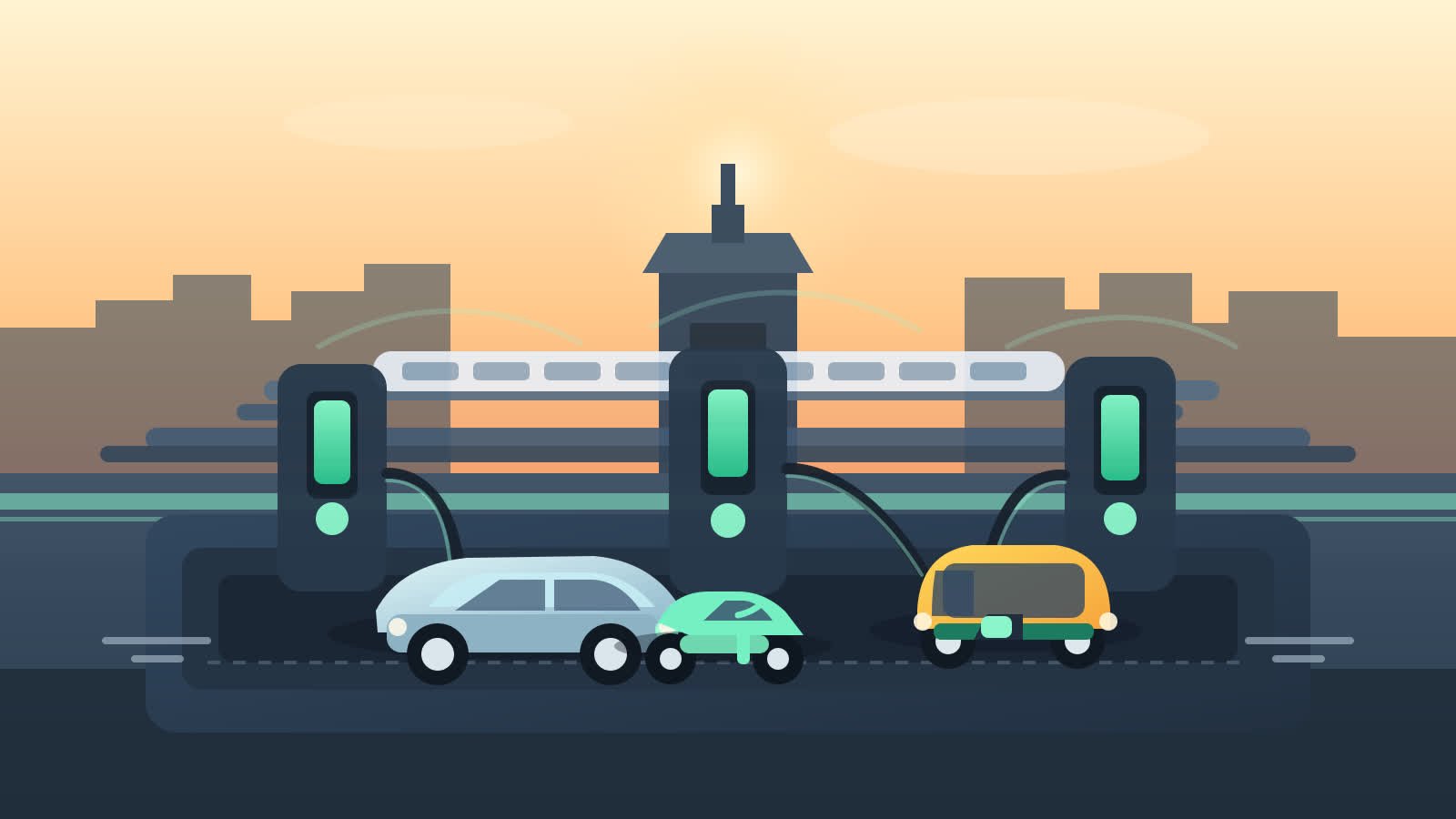
This is why infrastructure matters as much as the incentive chart. The official policy requires original equipment manufacturers operating in Delhi to ensure at least one public EV charging station per dealer, with a minimum of three charging points for two- and three-wheelers and two charging points for four-wheelers. That is a meaningful structural clause because it shifts some responsibility from the government alone to the retail and OEM ecosystem. If implemented well, it can reduce one of the biggest barriers to EV adoption: visible and dependable charging access.
Who benefits, who faces pressure
- Eligible EV car buyers: they get immediate tax and registration relief, which can materially improve the on-road buying case.
- Electric two-wheeler buyers: they gain from phased incentives, but the policy also makes delay more costly if subsidies reduce over time.
- E-auto and e-three-wheeler makers: they gain a stronger demand signal as Delhi prepares for electric-only new auto registrations.
- Petrol and CNG two-wheeler buyers planning a new purchase after April 1, 2028: they face the biggest future restriction under the policy.
- Fuel retailers and conventional service ecosystems: the impact will be gradual, but Delhi is clearly trying to shift future mobility growth away from petrol and CNG in selected categories.
The policy also has a broader air-quality logic. The official notification cites the latest Commission for Air Quality Management assessment, which identifies vehicular emissions as a major contributor to Delhi pollution. That framing matters because it explains why the government is targeting high-usage categories instead of relying only on voluntary EV adoption. When a city policy starts combining cost relief, future registration rules and ecosystem obligations, it is trying to change behaviour rather than simply reward early adopters.
The bigger test is execution, not announcement
Ambitious EV policies often look strongest on launch day. Their credibility is tested later by charger uptime, dealer readiness, subsidy processing, scrapping implementation and buyer trust. TOI reported that Delhi plans to invest around Rs 15,000 crore over four years and expand to more than 30,000 EV charging points. Economic Times also reported that the policy leaves room for the induction of hydrogen fuel-based vehicles within the next four years if cleaner-fuel technologies are introduced. Those details show the policy is trying to build a wider clean-mobility ecosystem rather than a one-category subsidy scheme.
Still, the transition will not be frictionless. Delhi already has users who worry about charging queues, home-power upgrades, public charging density and real-world downtime for commercial EVs. A rule that limits future registrations before charging becomes easy can create resistance. A rule backed by dense, convenient infrastructure can accelerate adoption. That is the balance to watch.
FuelPrice takeaway
Delhi EV Policy 2026 is important because it blends immediate buyer relief with future registration pressure. From July 1, 2026, it gives eligible EV buyers clearer financial support. From January 1, 2027 and April 1, 2028, it starts redrawing the rules for auto-rickshaws and two-wheelers in a way that directly affects fuel-linked mobility. For readers, the practical takeaway is simple: if you are planning to buy or operate a vehicle in Delhi, the decision is no longer just EV versus petrol on running cost. It is also about policy timing, charging readiness and which vehicle categories Delhi wants to keep growing. The next real signal will come from infrastructure rollout, dealer compliance and whether the city can make EV usage easier before conventional options narrow further.
Sources: Delhi government gazette notification for Delhi EV Policy 2026, Delhi Transport Department latest notice page, Times of India July 1, 2026 policy explainer, Economic Times/PTI July 1, 2026 report.