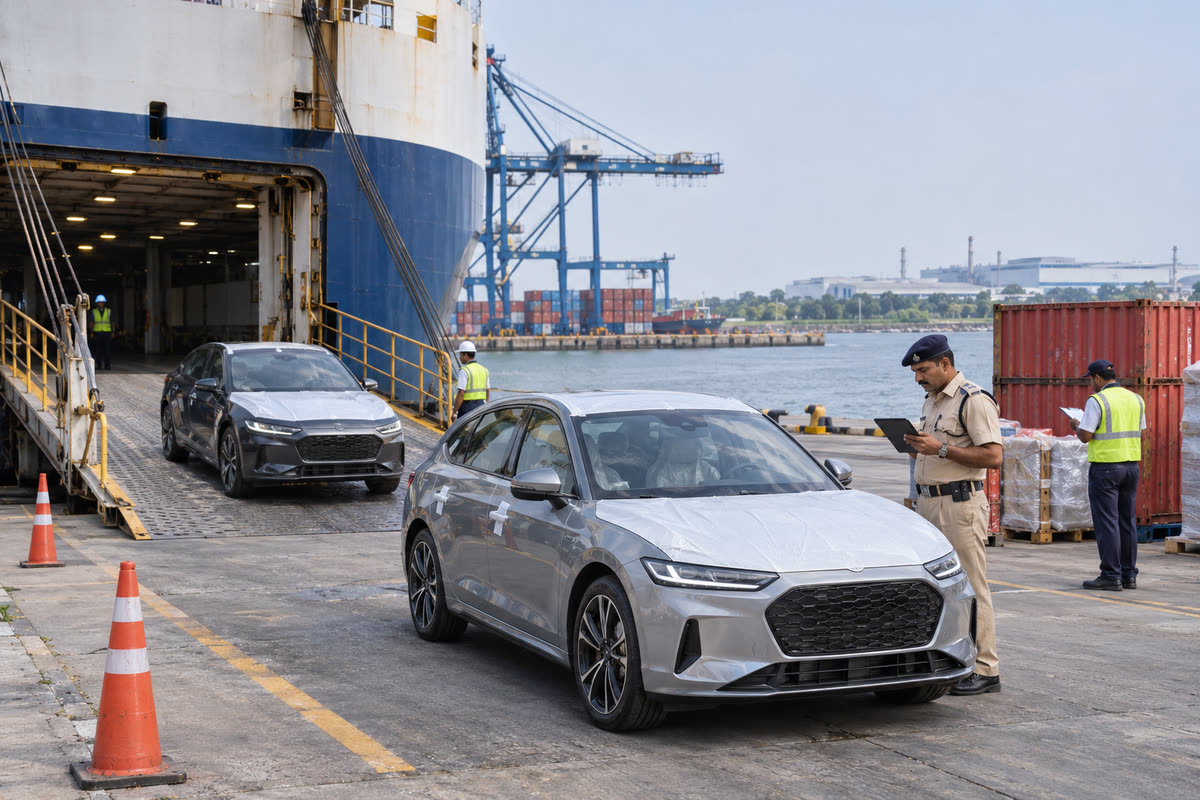
European carmakers could first send a limited set of models to India to test demand and later consider local production, Commerce and Industry Minister Piyush Goyal said at the Bharat Mobility Global Expo 2027 curtain-raiser in New Delhi, according to reports published on 10–11 Nov 2026. The reported route could eventually affect the choice and pricing of premium cars in India, but it is not a confirmed manufacturing commitment or an immediate price cut: the India–EU Free Trade Agreement (FTA) is not yet in force.
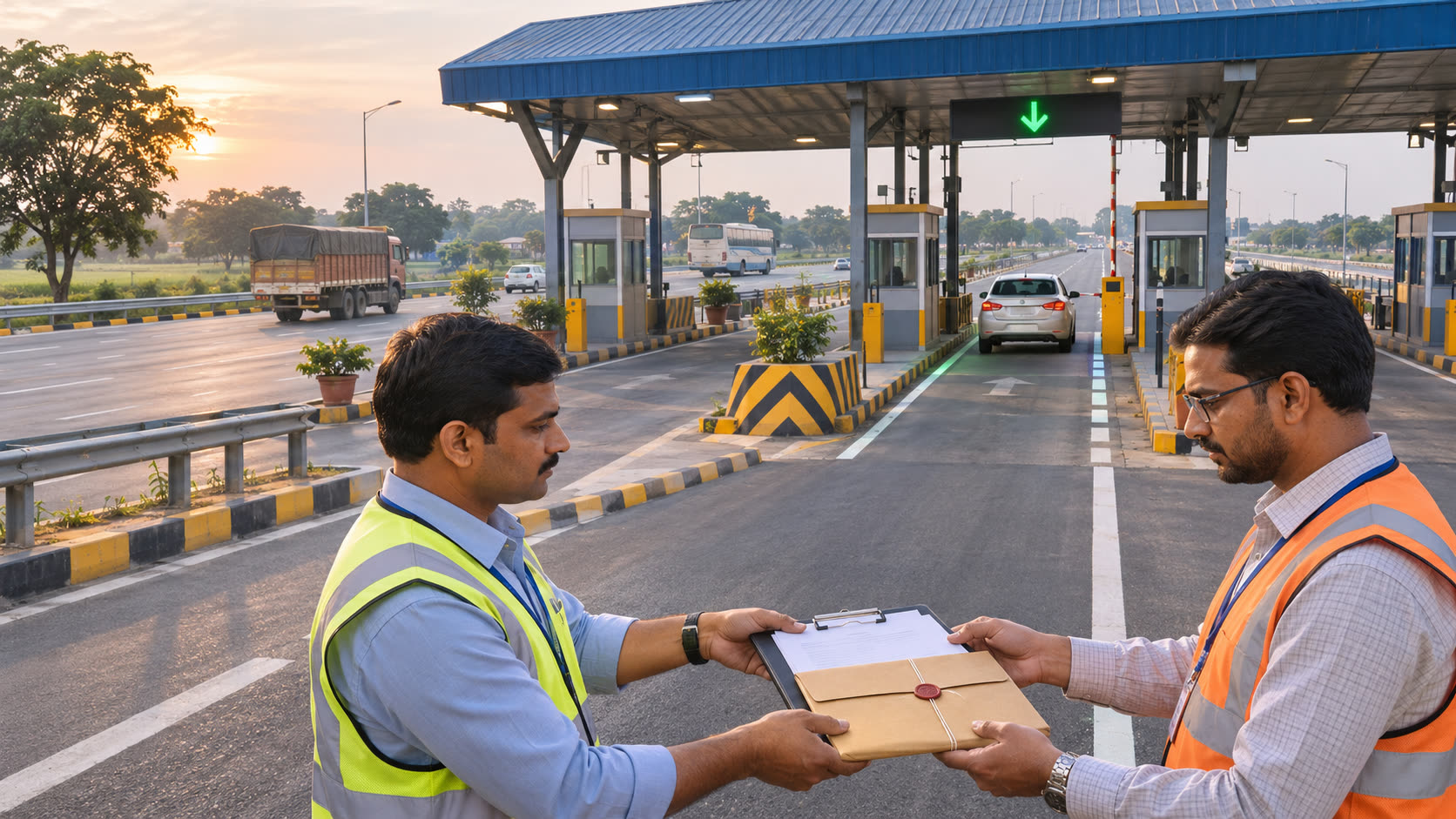
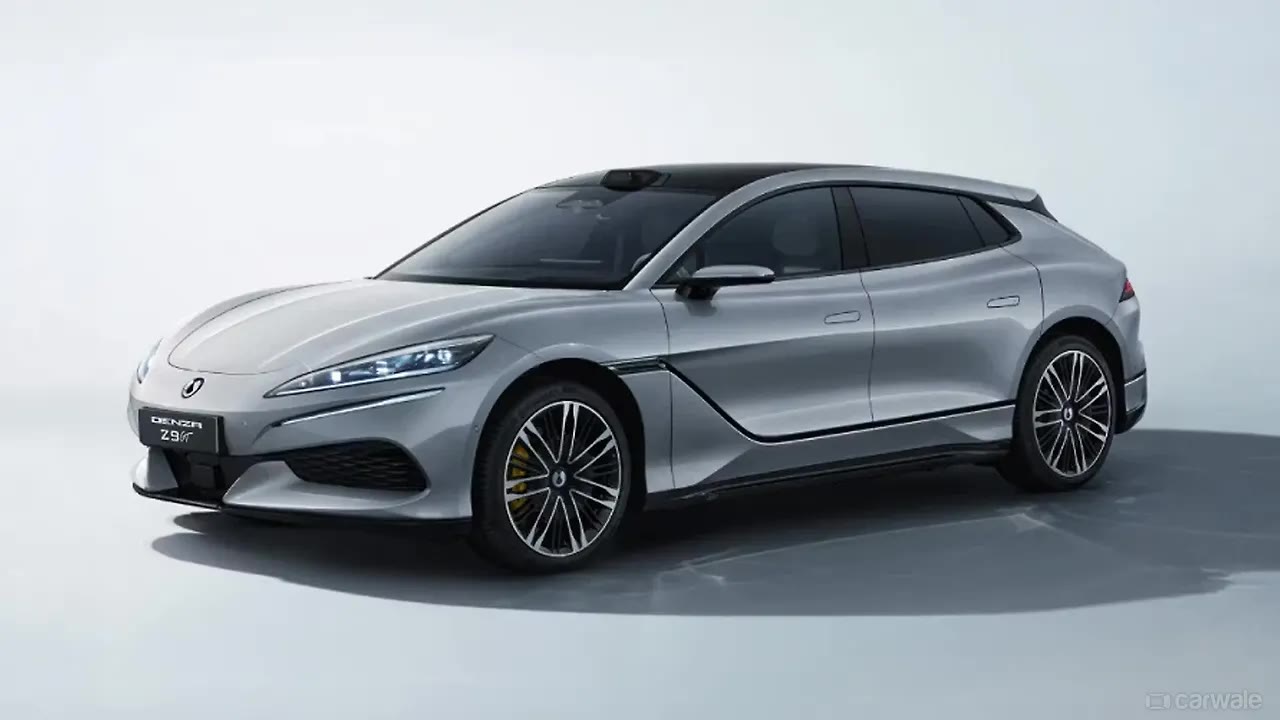
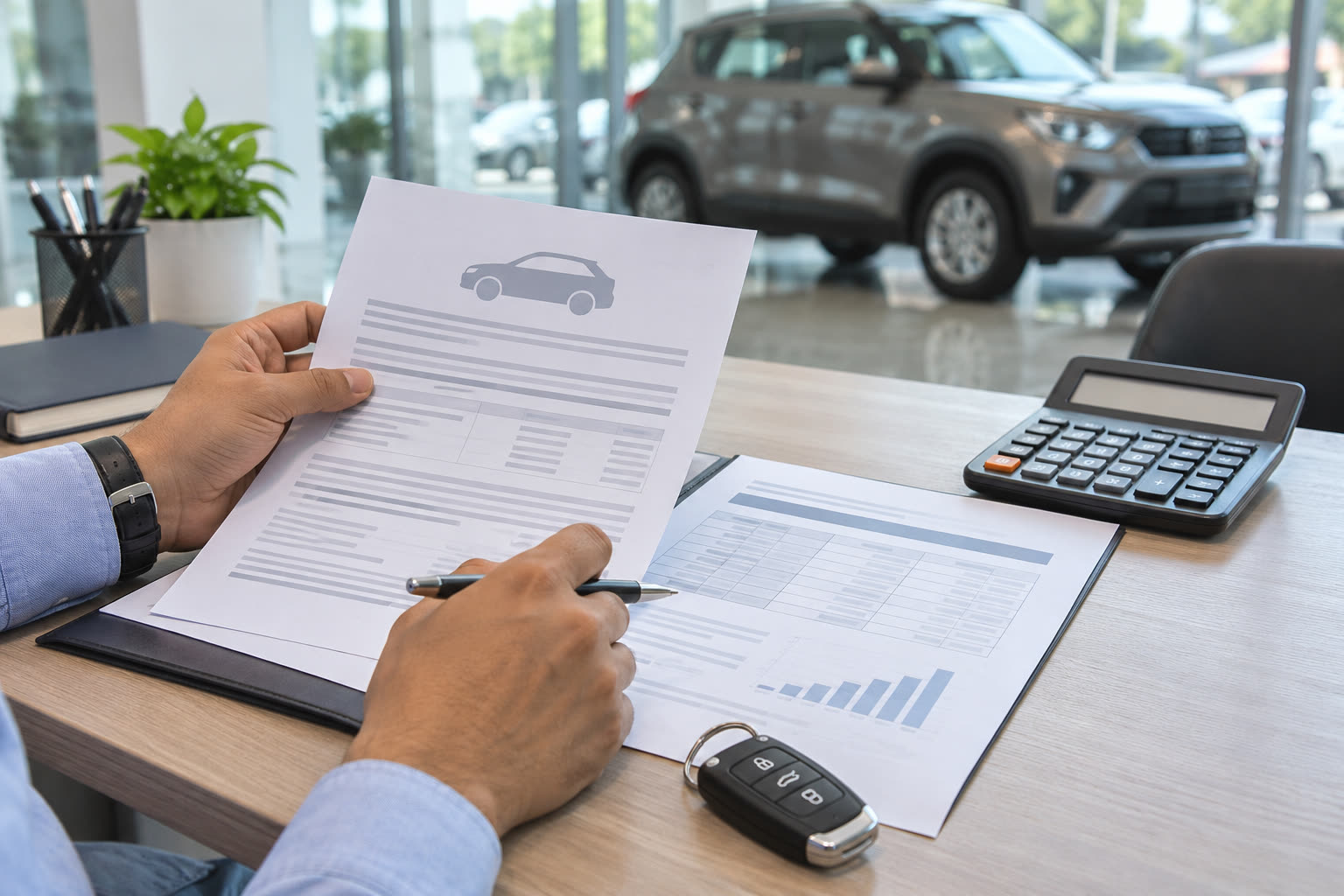
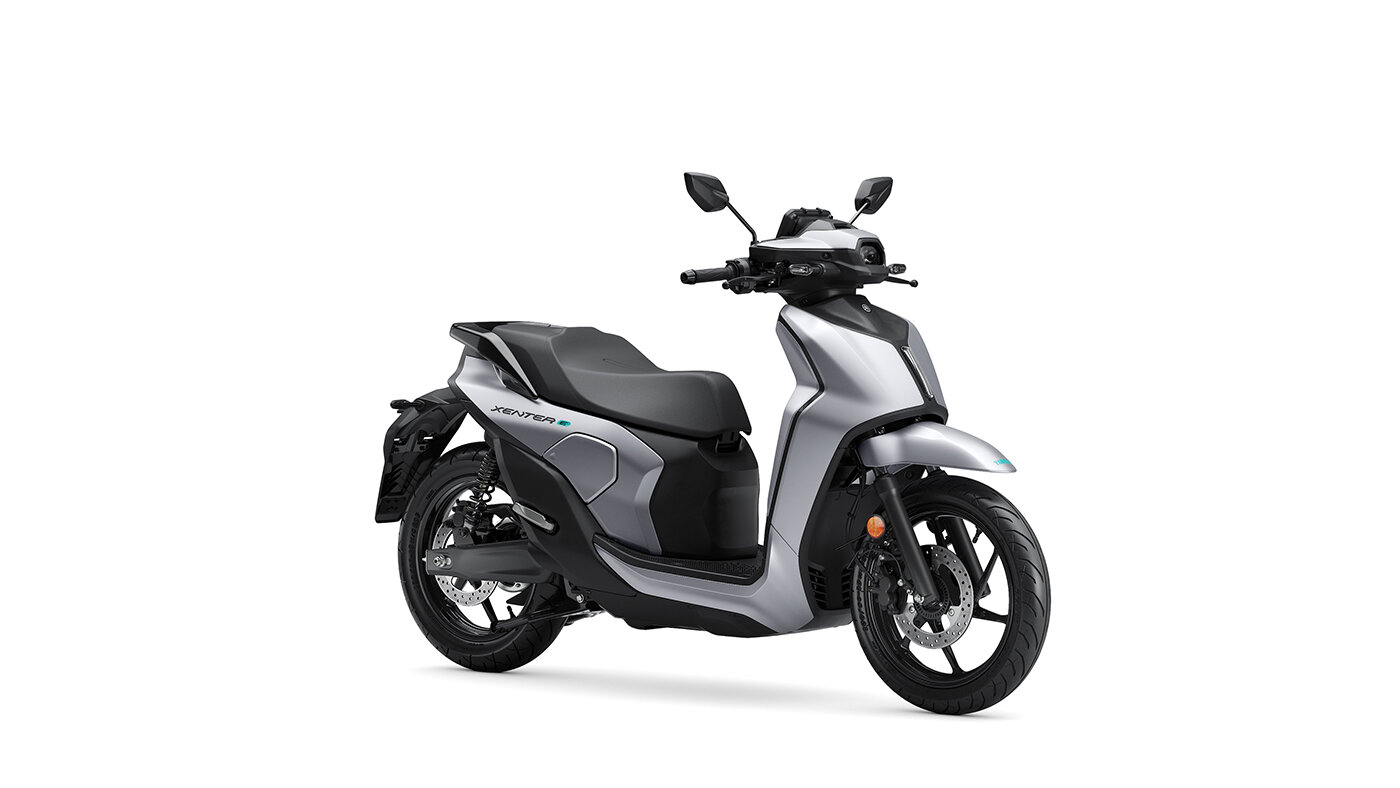
Image note: This is a generated illustrative visual of imported vehicles and an Indian assembly line, not an official photograph of any carmaker or model.
Key takeaways
- Goyal said European original equipment manufacturers may use limited imports to identify which models have demand in India before considering local production.
- The India–EU FTA negotiations concluded on 27 Jan 2026, but the published agreement still requires signature and domestic legal procedures before it becomes binding.
- The European Commission's summary describes negotiated car-duty reductions from 110% to 10% within an annual quota of 250,000 vehicles; those terms are not live showroom prices.
- Indian buyers should not assume an immediate discount, a confirmed model list or a local assembly date from the minister's reported comments.
What was reported
Financial Express and ET Auto separately reported on 11 Nov 2026 that Goyal described a possible two-stage approach for European automakers. They could bring a limited selection of vehicles into India under the trade arrangement, observe demand and then decide whether a model has enough volume to support manufacturing here.
Business Standard reported the same remarks from the Bharat Mobility event on 10 Nov, including the minister's view that an India plant could serve both Indian customers and export markets. The reports describe an industry possibility, not a decision by a named European manufacturer. No company commitment, investment amount, plant location, production start date or India price was announced in the coverage used for this article.
That distinction matters for buyers. A report that a carmaker may test demand is different from a confirmed launch or a booking announcement. It also means that any near-term imported model will continue to be priced under the commercial and tax conditions announced by its manufacturer and the relevant authorities at the time.
What the India–EU FTA changes on paper
The Ministry of Commerce and Industry's summary of the agreement says the auto package uses calibrated, quota-based liberalisation. It is intended to let European automakers introduce models in higher price bands while creating future possibilities for manufacturing and exports from India. The ministry also says Indian consumers could benefit from more high-tech products and greater competition.
The European Commission's 27 Jan 2026 question-and-answer document describes a negotiated framework in which India's car tariffs for EU vehicles would gradually move from 110% to 10% within a quota of 250,000 vehicles a year. The Commission's own agreement page cautions that the published text is for information, may change during legal revision, becomes final on signature and becomes binding only after both sides complete their internal procedures.
So the duty figures are a policy framework to watch, not a promise that every European car will become 100% cheaper or that the full reduction will appear in an ex-showroom quote. The quota, vehicle category, rules of origin, model price band and implementation schedule will determine which vehicles qualify and when.
What it could mean for Indian car buyers
Premium choice may expand first
The minister's comments point mainly to the premium end of the market, where a limited number of imported models can be used to test demand without an immediate manufacturing investment. That could give Indian buyers more access to European body styles, powertrains and safety or software features, but availability would still depend on a brand's India strategy, homologation and service plans.
A lower duty is not the same as a lower final bill
Import duty is only one part of a vehicle's landed cost. Freight, insurance, exchange rates, port handling, homologation, warranty provision, GST and registration charges can all affect the final price. A future duty reduction may improve the cost position of a qualifying model, but the size and timing of any customer benefit would need to be disclosed by the manufacturer and reflected in the applicable tax rules.
For a realistic ownership comparison, buyers can pair a quoted vehicle price with the fuel cost calculator and check current rates through the live fuel prices tool. For an electric model, the state-wise EV charging directory can help assess charging availability separately from the purchase-price question.
Why local production would be the second step
Local assembly or manufacturing becomes more attractive when a model has enough volume to spread plant, tooling and supplier costs. Goyal said this could also create opportunities for Indian component makers and suppliers in areas such as steel, rubber and electronics. If that investment happens, it could deepen localisation and make India an export base rather than only a destination for imported vehicles.
That outcome is still conditional. European manufacturers will have to evaluate demand, model economics, supply-chain readiness and the final FTA rules. A plant decision would also take time after an initial import test, so it should not be treated as a short-term fix for showroom prices or delivery times.
What changes now—and what to watch
- No automatic price change: Existing cars, bookings and insurance or registration quotes do not change because of the minister's remarks.
- FTA process: Watch for signature, completion of domestic procedures and the notified effective date. Those steps determine when negotiated tariff treatment can be used.
- Model announcements: The useful confirmation for buyers will be a company announcement naming the model, import route, price, warranty and service network.
- Localisation evidence: A land, investment, supplier or production announcement would be a separate development from an imported test batch.
Reader takeaway
European automakers may use the India–EU FTA to test demand before deciding on local production, according to reports quoting Piyush Goyal. For now, the development is an expected market pathway rather than a confirmed launch or price cut. Buyers can watch the legal status of the FTA and compare each car's declared price, running cost, charging or fuel needs and after-sales support when specific models are announced.
Sources
- The Financial Express — “EU carmakers may manufacture in India after testing demand: Goyal” — 11 Nov 2026
- ET Auto — “European OEMs may use FTA access to test India market before localising production: Goyal” — 11 Nov 2026
- Business Standard — “European carmakers may set up manufacturing units in India soon: Goyal” — 10 Nov 2026
- Ministry of Commerce and Industry — “India–EU Free Trade Agreement Concluded” — 27 Jan 2026
- European Commission — “Questions and answers on the EU-India Free Trade Agreement” — 27 Jan 2026
This article is for general information only and is not financial, insurance or legal advice.