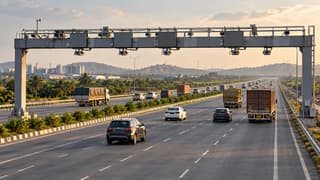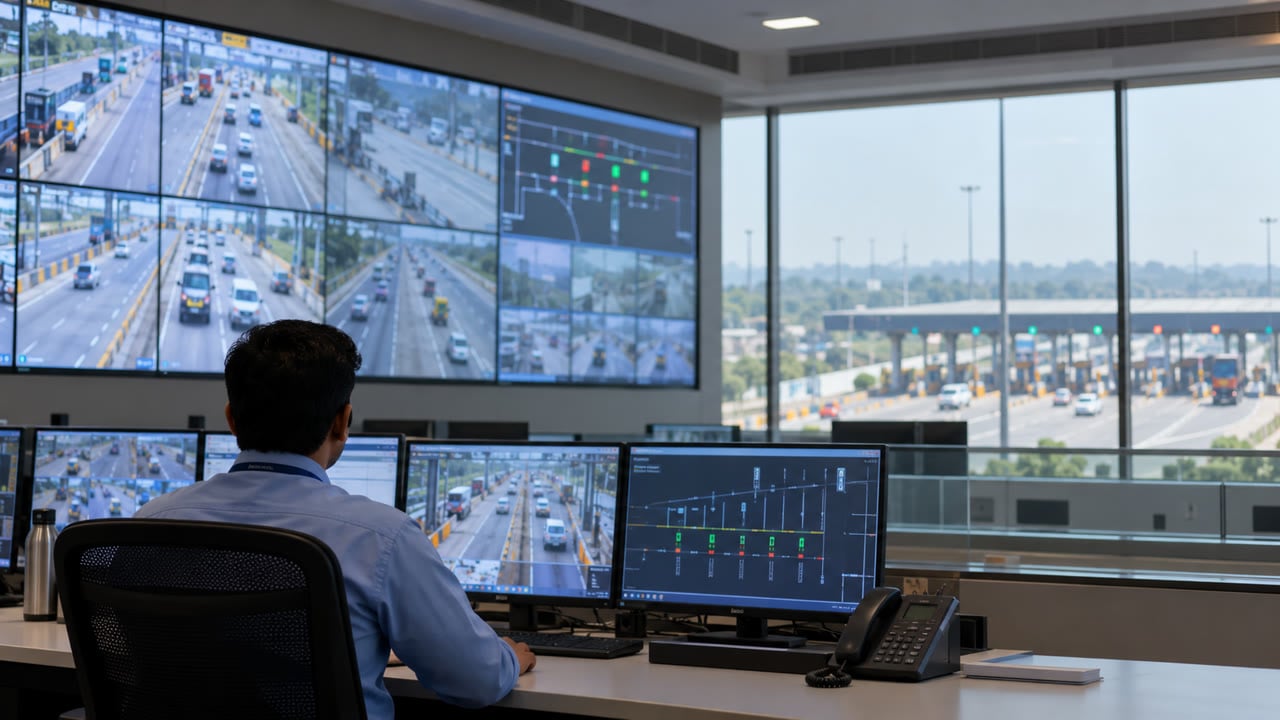
On 8 Oct 2026, a survey commissioned by the National Highways Authority of India (NHAI) was reported to have found smoother toll-plaza operations after the FASTag Annual Pass rollout, including better vehicle flow and fewer payment-related complaints. The finding matters to Indian drivers because it points to an operational benefit of digital tolling, while the pass itself still applies only to defined vehicles and eligible National Highway and National Expressway plazas.
The New Indian Express attributed the findings to NHAI officials. The Ministry of Road Transport and Highways has separately said the Annual Pass has improved toll operations and convenience, so the broad direction is consistent across the current report and official government material. The survey is evidence about toll-plaza functioning; it is not a new toll rule or a fresh promise that every highway crossing will be free.
Key takeaways
- The new report says an NHAI-commissioned survey found better throughput and fewer payment-related problems after the Annual Pass rollout.
- The current FY 2026–27 Annual Pass fee is ₹3,075, with validity for one year or 200 eligible toll-plaza crossings, whichever comes first.
- It is meant for non-commercial cars, jeeps and vans with a valid FASTag and covers about 1,150 National Highway and National Expressway fee plazas.
- State-government, local-body and other excluded toll points may continue to debit the vehicle’s ordinary FASTag wallet.
- Drivers should check the eligible plaza list, route coverage and current FASTag status before relying on the pass for a trip.
What the new NHAI survey means
The 8 Oct report describes a survey of toll-plaza operators and other stakeholders across multiple operational parameters. Its reported findings include smoother vehicle movement, fewer payment-related complaints and fewer exemption disputes, along with less pressure on toll operators and less need for on-lane FASTag recharges.
That distinction is important. A survey of plaza operations can show whether payment handling and traffic flow are improving, but it does not by itself establish the rupee saving for every vehicle owner. Actual benefit still depends on the toll plazas used, whether those plazas are within the scheme and how many eligible crossings a vehicle makes before the pass expires.
The available report attributes the results to NHAI and does not publish a plaza-by-plaza data table or the full survey instrument. FuelPrice is therefore treating the operational results as NHAI-reported findings, rather than presenting them as an independent audit. The official ministry release provides supporting context by stating that the Annual Pass has improved operational efficiency and the convenience of road users.
What the ₹3,075 pass covers
For FY 2026–27, the official terms set a one-time fee of ₹3,075. The pass remains valid for one year or 200 fee-plaza crossings, whichever is earlier. It is linked to the vehicle’s existing FASTag after payment through the Rajmargyatra app, so the scheme is not a replacement for the physical tag.
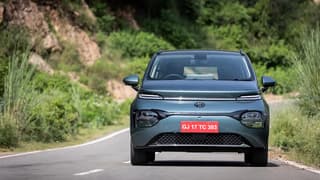
The pass is for non-commercial cars, jeeps and vans with a valid FASTag. Government material says it applies at about 1,150 National Highway and National Expressway fee plazas. The eligibility is therefore vehicle- and network-specific: a private car can meet the vehicle condition and still encounter a toll point that is outside the Annual Pass coverage.
For a route-level view of toll charges, use FuelPrice’s toll charges and trip cost calculator. It helps separate the ordinary toll cost of a route from the question of whether the Annual Pass can be used at each plaza on that route.
The simple cost test for frequent users
If all 200 eligible crossings are used, the ₹3,075 fee works out to about ₹15.38 per eligible crossing by simple division. That is an arithmetic reference point, not a guaranteed saving or a recommendation to purchase the pass. The effective cost is higher if the vehicle reaches the one-year limit before using all crossings, and the calculation does not include tolls outside the scheme.
This is why a mixed route needs more care than a simple trip count. A journey can include National Highway plazas covered by the Annual Pass and state or local toll points that continue to use the regular FASTag balance. The pass may also be relevant to a daily commuter in a different way from an occasional highway traveller. FuelPrice’s road-trip planner can help map the trip before the driver checks which toll points fall inside the pass network.
What drivers should check now
- Confirm the vehicle category: the published scheme terms cover non-commercial cars, jeeps and vans with a valid FASTag.
- Check the plaza list: use the Rajmargyatra service to confirm that the toll point is included before treating the Annual Pass as the payment method for a regular commute.
- Keep the ordinary wallet funded: tolls at excluded state, local-body or other non-covered points may still be deducted from the linked FASTag balance.
- Review transaction records: keep the deduction message and pass status if a covered crossing appears to be charged. The ministry lists the National Highways helpline 1033 and other grievance channels for fee-related complaints.
FuelPrice’s FASTag Annual Pass eligibility and activation guide explains the application and status checks in a step-by-step format. The live plaza list and the status shown for the vehicle should take priority over an older screenshot or a general assumption about coverage.
What changes next
The new survey does not announce a revised fee, a new validity period or an expansion to commercial vehicles. For now, the practical change for drivers is informational: NHAI is reporting that the pass is helping toll operations, while the existing eligibility and coverage conditions remain the ones that determine whether a particular crossing is covered.
As digital tolling expands, the useful measure for a driver is not only whether a lane moves faster. It is whether the vehicle is correctly tagged, the plaza is covered, the transaction is recorded and the route’s excluded toll points have been budgeted separately. Those checks turn a broad operational claim into a more reliable trip-cost estimate.
FAQs
Does the FASTag Annual Pass make every toll free?
No. It applies to eligible crossings at covered National Highway and National Expressway fee plazas. State, local-body and other excluded toll points may still use the normal FASTag wallet.
Who can use the Annual Pass?
The current terms cover non-commercial cars, jeeps and vans with a valid FASTag. Commercial vehicles are not included in these published terms.
How long does the pass last?
For FY 2026–27, it lasts for one year or 200 eligible toll-plaza crossings, whichever comes first.
Sources
- The New Indian Express — “FASTag Annual Pass improves toll plaza efficiency, NHAI survey finds” — 8 Oct 2026
- Ministry of Road Transport & Highways via PIB — “FASTAG BASED TOLL COLLECTION AND DIGITAL TOLLING SYSTEM” — 22 Jul 2026
- Ministry of Road Transport & Highways via PIB — “FASTag Annual Pass Reaches One Crore Milestone” — 28 Sep 2026
- LiveMint — “Over one crore FASTag annual passes issued since August 2025 launch: govt” — 28 Sep 2026