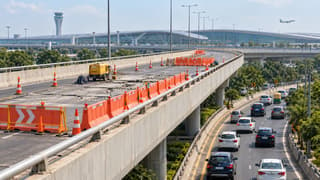
Force Motors announced on 22 Oct 2026 that it has partnered with Rosmerta Auto Recycling to give eligible customers access to an authorised end-of-life vehicle scrapping facility in Delhi-NCR. The development matters to commercial-vehicle owners because it creates a formal route for documentation, depollution, dismantling and material recovery, but it is not a new nationwide scrappage deadline or an automatic replacement benefit.
Key takeaways
- Force Motors’ 22 Oct announcement starts with Delhi-NCR and says similar engagements may be explored in other parts of India.
- Eligible customers can access Rosmerta’s Registered Vehicle Scrapping Facility, or RVSF, for the documented retirement of end-of-life vehicles.
- The process is described as covering documentation, depollution, dismantling, segregation and recovery of recyclable materials, with a Certificate of Deposit wherever applicable.
- The announcement does not publish a vehicle-age list, model list, scrap-value formula, pickup schedule or a guaranteed tax concession for every customer.
What Force Motors announced
Force Motors’ official release says the company has associated with Rosmerta Auto Recycling to make authorised scrappage more accessible to its customers in the Delhi-NCR region. It links the initiative to the company’s earlier commitment under a Ministry of Road Transport and Highways, or MoRTH, memorandum of understanding supporting the Commercial Vehicle Replacement Scheme in the region.
The word eligible is important. The release does not say that every Force vehicle can be scrapped through the arrangement, nor does it state that Force Motors will collect vehicles from every location in the National Capital Region. It also does not announce a new vehicle, a purchase price or a fixed incentive for handing over an old vehicle.
Reporting by The Economic Times, carrying a Press Trust of India report, said Rosmerta’s NCR facility will handle the required documentation and scrapping steps, including depollution and dismantling, before segregating and recovering recyclable material such as steel and aluminium. The two companies have described the partnership as an authorised disposal option for ageing vehicles.
How the authorised scrappage route works
- Confirm the vehicle and owner record: an RVSF process is built around the registered owner and the vehicle’s official records. The 2021 RVSF rules provide for vehicle-database access, owner verification and checks before scrapping. Operators should ask for the exact documents and eligibility conditions that Rosmerta and Force Motors will apply to this arrangement.
- Complete depollution and dismantling: the facility removes fluids and other hazardous material, dismantles the vehicle and separates material for recovery or safe disposal. This is the distinction between an authorised RVSF process and an informal scrap transaction where the owner may not receive a complete regulatory record.
- Collect the closing documents: the rules distinguish a Certificate of Deposit, which records the vehicle’s transfer into the scrappage process, from a Certificate of Vehicle Scrapping issued after the treatment is completed. Owners should retain the documents and verify that the vehicle’s registration record is updated through the prescribed system.
That chain of paperwork is particularly relevant to fleets. A commercial vehicle can be tied to permits, finance records, insurance, tax accounts and daily route operations. Scrapping is therefore not only a physical handover; it is also the closing of an asset and its registration trail. Force Motors has not published the full customer workflow, so operators should wait for the named facility, appointment process and document list before assuming that a handover can be completed in one visit.
What it means for Delhi-NCR fleet operators
The immediate benefit is access to an organised channel, not a guaranteed rupee saving. If an ageing van, bus or goods vehicle has rising fuel use, repair needs or downtime, retirement may change the fleet’s operating cost. However, Force Motors has not published a fuel-saving estimate, scrap valuation or replacement-cost comparison for this initiative.
Fleet owners can use FuelPrice’s fuel-cost calculator to compare the current fuel cost of a route or vehicle duty cycle, and the live fuel-price hub to check the rate used in that estimate. Those tools can support a budget comparison, but they cannot decide whether a vehicle is eligible for scrappage or what a registered facility will pay for it.
MoRTH’s vehicle-scrappage policy provides a wider policy background. The ministry has said that a transport vehicle purchased against a Certificate of Deposit can qualify for a motor-vehicle-tax concession of up to 15% under the relevant notification, while another notification provides that the registration fee is not levied when a new vehicle is registered against a Certificate of Deposit. The exact benefit depends on the applicable notification, state implementation and the transaction conditions. The Force-Rosmerta announcement does not promise that every customer will receive either benefit.
The development also sits alongside the broader Delhi-NCR replacement push. FuelPrice previously reported Blue Energy Motors’ participation in the PARIVARTAN commercial-vehicle update; that story concerned a participating electric-truck manufacturer, while the new Force Motors announcement is about authorised end-of-life vehicle access and documentation.
What owners should confirm before handover
- Eligibility: ask which Force models, vehicle classes, registration locations and end-of-life conditions are covered. Do not infer eligibility from vehicle age alone.
- Facility details: confirm the current RVSF registration, address, appointment route, acceptance hours and whether the vehicle must be delivered by the owner or an authorised representative.
- Money and paperwork: ask for the scrap valuation, any handling or transport charges, the payment method and the documents that will be issued at each stage.
- Registration closure: obtain the Certificate of Deposit and final Certificate of Vehicle Scrapping where applicable, keep copies of the handover record and check that the vehicle’s official record reflects the process.
- Replacement calculation: keep the scrap value, taxes, registration, financing, insurance, downtime and operating cost as separate lines. A policy concession or manufacturer arrangement should not be treated as a guaranteed saving until the buyer’s specific transaction is approved.
Owners outside Delhi-NCR should also note the geography. Force Motors says it will explore similar engagements elsewhere, but the 22 Oct release does not confirm a nationwide network or a start date for another region. A vehicle owner should not assume that a Delhi-NCR facility, benefit or process automatically applies in another state.
If a vehicle has to be moved to an authorised facility, the road-trip planner can help estimate the route and travel time. That planning tool does not replace the facility’s acceptance confirmation, transport permissions or the owner’s responsibility to keep the vehicle and documents compliant until handover.
What to watch next
The next useful update will be operational: the names and addresses of participating facilities, the eligible vehicle categories, the customer booking process and the documents needed for a Certificate of Deposit. Operators should also watch for any state-level notice that sets out a tax concession, registration treatment or replacement incentive for a particular vehicle and location.
For now, the reader takeaway is narrow but practical. Force Motors has added a formal scrappage access route for eligible customers in Delhi-NCR; it has not announced a blanket vehicle ban, a new scrappage deadline, a fixed scrap price or an automatic replacement subsidy. Fleet owners can prepare their records and compare the full cost of retirement and replacement, but the final eligibility and rupee outcome must come from the authorised facility and the applicable government rules.
Sources
- Force Motors — Force Motors Launches an Initiative for Sustainable End-of-Life Vehicle Management — 22 Oct 2026
- The Economic Times / PTI — Force Motors partners with Rosmerta for vehicle scrapping — 22 Oct 2026
- Press Information Bureau, MoRTH — Vehicle Scrappage Policy, 2021 — 8 Aug 2024
- MoRTH / VAHAN — Motor Vehicles (Registration and Functions of Vehicle Scrapping Facility) Rules, 2021, G.S.R. 653(E) — 23 Sep 2021
This article is for general information only and is not financial, insurance or legal advice.