Gadkari Reviews 11,672 km Highway Network in Uttar Pradesh, Flags Quality and Monsoon Readiness

MoRTH reviewed quality and maintenance progress across 11,672 km of National Highway projects in Uttar Pradesh on 21 May 2026, with emphasis on faster execution, stricter quality control, and preventive monsoon actions that can directly affect freight reliability and fuel use efficiency.

Gadkari Reviews 11,672 km Highway Network in Uttar Pradesh, Flags Quality and Monsoon Readiness

UP highway quality review puts focus on monsoon resilience and freight continuity

Fuel and logistics costs are often shaped by road reliability, not just pump prices. On 21 May 2026, the Ministry of Road Transport and Highways said Union Minister Nitin Gadkari reviewed the quality and maintenance progress of 11,672 km of National Highway projects in Uttar Pradesh. The review followed media and social feedback on corridor conditions.
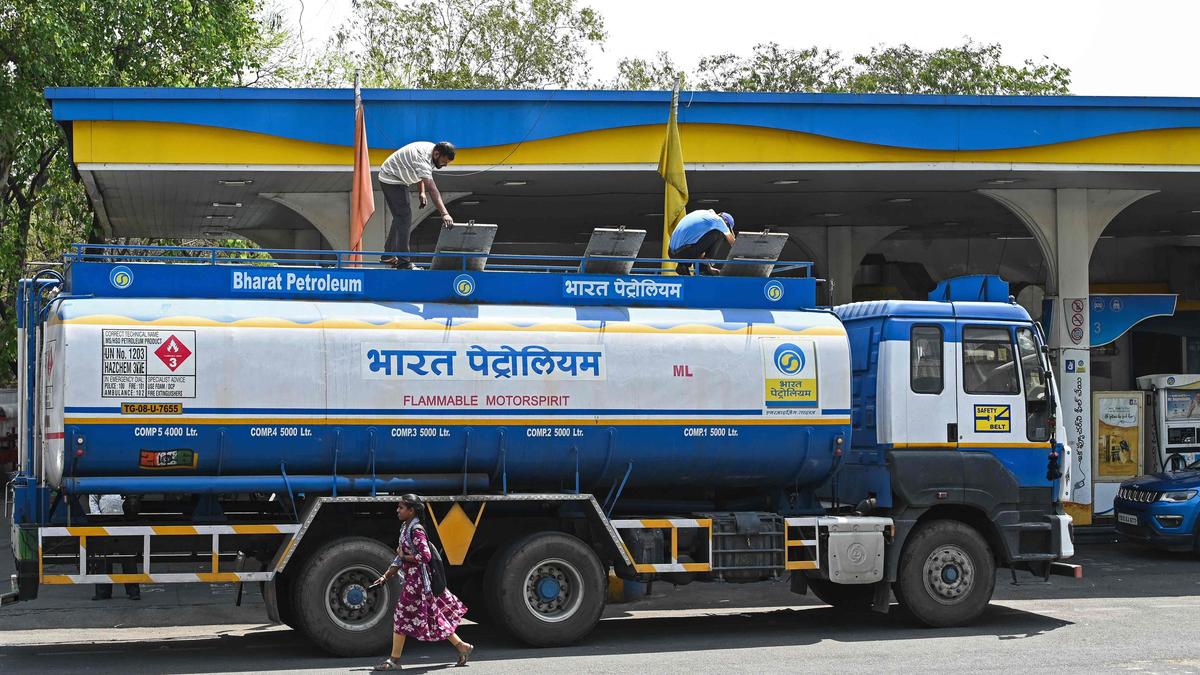
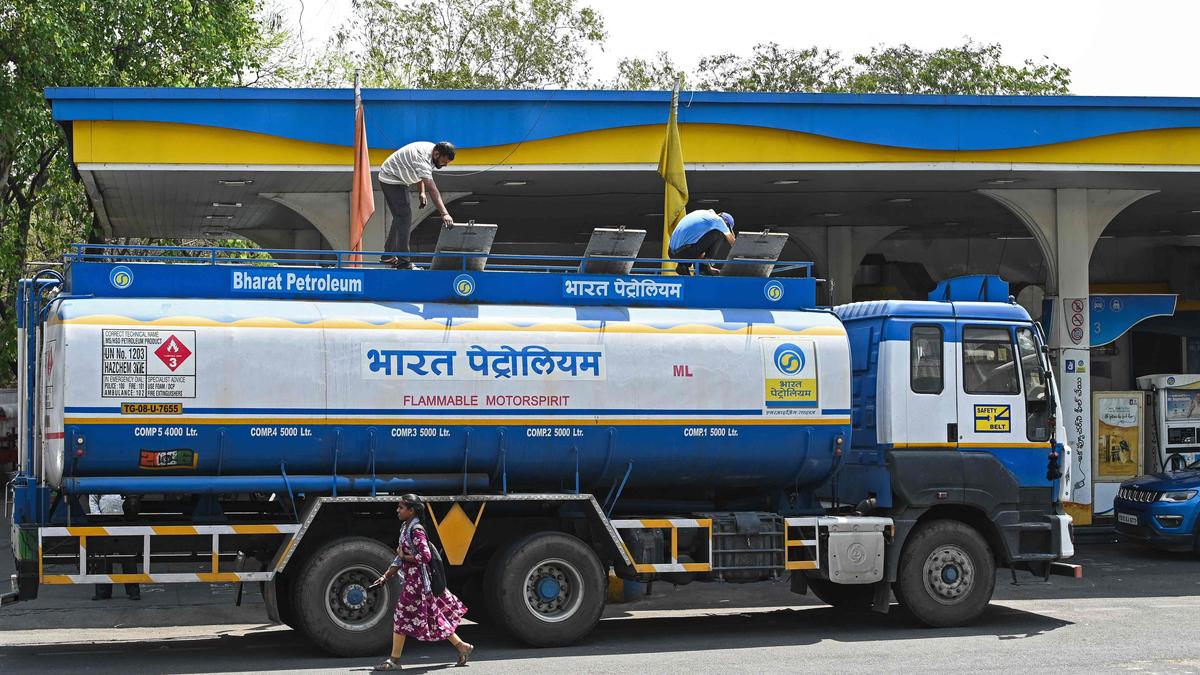
Fuel tanker at an Indian station representing freight movement and fuel-linked logistics cost
Road quality and monsoon preparedness influence truck turnaround times and effective fuel productivity.

What the review covered

Parameter Official signal
Network reviewed 11,672 km of NH projects in Uttar Pradesh
Core directive Timely execution and strict quality adherence
Technology stance Use advanced methods for durable infrastructure
Seasonal risk focus Monsoon readiness and maintenance reliability

Why this matters for fuel and mobility economics

Before preventive maintenance, rain-season bottlenecks usually increase low-speed traffic, idling, detours, and tyre-wear cycles for freight fleets. After targeted monsoon preparation, corridor stability generally improves, which helps route planning and reduces avoidable diesel burn per ton-km.

Sponsored

  • Transport operators: better predictability in trip timing can improve fleet utilization.
  • Shippers: lower disruption risk supports tighter dispatch planning.
  • Consumers and businesses: smoother freight flow can moderate logistics-cost pass-through pressure.

What to watch next

  • Execution pace on quality and maintenance actions before peak rain spells.
  • Route-level disruption frequency across major UP freight corridors in June-July.
  • Any additional state-wise review outcomes from MoRTH in the current maintenance cycle.

Sources

Related Fuel News

More updates you might want to read next.

Kanpur-Kabrai NH-34 Highway Cleared At Rs 7,145 Crore: Why The BOT Toll Corridor Matters For Freight

The Cabinet has approved a Rs 7,145.14 crore, 117.7-km access-controlled greenfield highway between Kanpur and Kabrai on NH-34 in Uttar Pradesh. The BOT toll project is designed to cut travel time from 3.5 hours to 1.5 hours, strengthen links to the Kabrai mining belt and Bundelkhand corridor, and lower logistics friction for freight, construction material and agricultural movement.

India Resets Export Duty On Petrol, Diesel And ATF From July 1: Why Refiners, Airlines And Fuel Users Should Watch It

India has reset windfall-linked export duties from July 1, 2026 by raising the levy on petrol exports to Rs 4 per litre while cutting diesel and aviation turbine fuel export duties to Rs 8.50 and Rs 7.50 per litre respectively. The move matters because it changes refining economics, export incentives and the downstream pressure points that can eventually shape domestic fuel availability, airline costs and broader transport pricing.

Commercial LPG Down Rs 183.50, ATF Cheaper By Rs 5: What July Relief Means

State-run oil companies cut the 19-kg commercial LPG cylinder price by Rs 183.50 from July 1, 2026 and reduced aviation turbine fuel by Rs 5 per litre to about Rs 110 in Delhi. The move offers relief to restaurants, hotels and airlines, but household LPG, petrol and diesel users are still waiting.