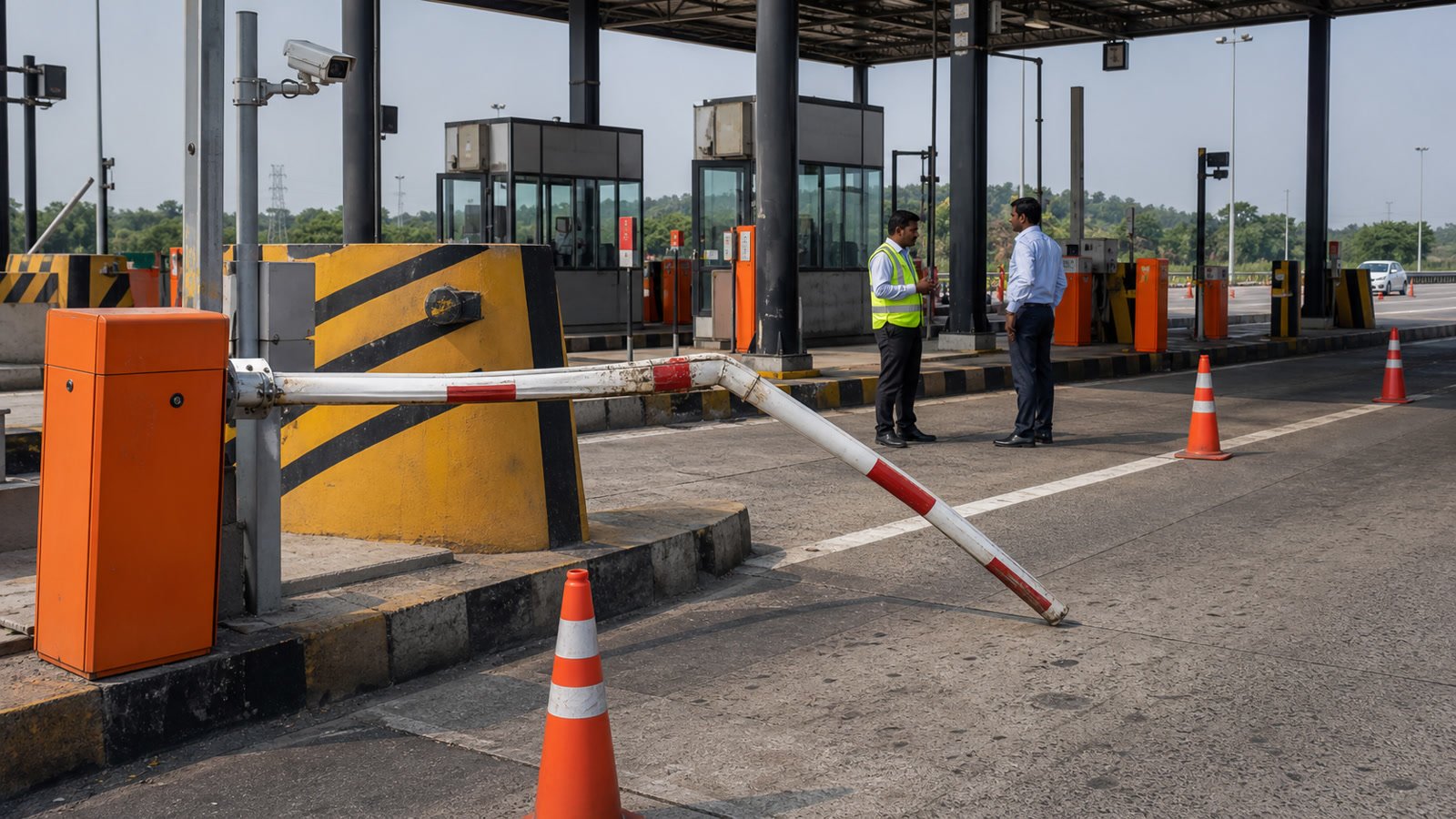
A Greater Noida toll plaza disturbance has turned into a larger question for India's highway toll system: how should plazas enforce payment without putting workers, drivers and traffic flow at risk? Times of India reported on June 11, 2026 that a group of alleged toll dodgers created chaos at a Greater Noida toll plaza after refusing to pay the toll fee, breaking through a barrier and leaving the site. The report said toll workers were allegedly threatened and videos of the episode went viral.
Navbharat Times separately reported fresh trouble at the Luharli toll plaza in Greater Noida, saying toll employees were assaulted after toll tax was demanded, with the report also noting that a similar incident had occurred on June 10. Taken together, the reports point to more than a one-off payment dispute. They show why toll plazas remain pressure points in the FASTag era, even when the payment system is largely digital.
Why this is more than a local law-and-order story
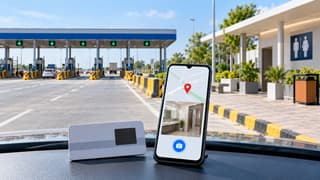
Toll plazas are not just payment counters. They are live traffic-control points where vehicles, barrier arms, lane sensors, FASTag readers, cash exceptions, local pass claims and staff decisions all meet within a few seconds. When a vehicle refuses to pay or tries to force its way through, the issue is not limited to one unpaid toll. A broken barrier can stop a lane, slow traffic behind it, endanger staff nearby and create confusion for compliant road users.
For FuelPrice readers, the incident matters because toll cost is now a normal part of road travel and freight economics. Highway users track petrol and diesel prices, but the real trip cost also includes tolls, waiting time, detours, FASTag balance management and penalties for missed payments. When enforcement breaks down physically, it can raise operating friction for everyone, not only for the vehicle that avoided payment.
Digital toll rules are getting stricter
The Greater Noida incident comes after a year of tighter toll-compliance rules. Economic Times reported in March that the National Highways Fee Rules, 2026 introduced a structured e-notice system for unpaid user fees on national highways. Under that framework, electronic notices can be sent to registered vehicle owners with vehicle details, date, location of passage and payable amount. Notices can be served through SMS, email, mobile applications or other electronic means.
The same report said the unpaid user fee payable through an e-notice is twice the applicable toll amount, although payment within 72 hours allows the user to settle only the original user fee. If dues remain unpaid for more than 15 days and no dispute is raised, the amount can be recorded in the VAHAN system, which can affect vehicle-related services. Users also get a grievance route, with complaints to be filed within 72 hours and resolved within five days.
That background is important. India's policy direction is to make toll evasion harder through vehicle databases, electronic records and post-passage recovery. But a plaza still needs safe, practical lane-level processes when a driver refuses to cooperate at the point of crossing.
| Issue | Why it matters | Practical watch point |
|---|---|---|
| Barrier breach | Can damage equipment, block lanes and put staff in direct danger. | CCTV, vehicle identification and safe escalation protocols. |
| FASTag failure or refusal | Creates dispute at a live traffic point if balance, tag status or exemption is unclear. | Clear signage, help lane and digital receipt trail. |
| Unpaid user fee | E-notice rules can recover dues after the crossing, reducing the need for confrontation. | 72-hour payment window and grievance process. |
| Staff safety | Toll workers are exposed during disputes despite being low-control frontline staff. | Training, panic alerts, operator accountability and police coordination. |
The FASTag system is big enough that edge cases matter
FASTag is no longer an early-stage experiment. Economic Times reported in February that more than five million highway users had taken the FASTag Annual Pass within six months of launch, with over 265.5 million transactions recorded. The pass accounted for around 28 percent of total car transactions on the national highway network during that period. The same reporting said the pass was applicable at about 1,150 National Highway and National Expressway fee plazas for eligible non-commercial vehicles.
For FY 2026-27, ET reported that the annual pass fee was revised to Rs 3,075 from April 1, 2026, valid for one year or 200 toll plaza crossings, whichever comes first. That wider adoption means the toll ecosystem now has more regular users, more digital records and more expectation of smooth passage. But the Greater Noida incident shows that digital adoption does not automatically solve physical enforcement or behavioural risk at the lane.
What road users should do
For ordinary drivers, the takeaway is straightforward: keep FASTag balance active, check tag status before long highway trips, and do not treat a plaza dispute as something to settle through force or argument at the barrier. If a charge looks wrong, the better route is to keep the record, use the grievance channel and avoid blocking the lane. A few minutes of confrontation can become a police matter, a vehicle-record problem, or a bigger safety risk.
For fleet operators and transporters, the discipline is similar but more operational. Toll compliance should be part of dispatch preparation, along with fuel planning, route selection and driver instruction. A truck held up at a toll plaza because of tag problems or unpaid dues can lose time, burn fuel in queues and disturb delivery schedules. Preventing the issue before departure is cheaper than resolving it at the barrier.
Accountability must run both ways
Staff safety does not mean unchecked behaviour by toll operators. Earlier this year, Times of India reported that NHAI terminated a toll agency contract in the Barabanki case after toll workers were seen assaulting a road user in a viral video. The company was debarred from further contracts and bids for one year pending inquiry, and a security deposit was at risk. That case underlined that plaza operators are also accountable for conduct.
The right lesson from Greater Noida is therefore balanced. Drivers should not dodge tolls, break barriers or threaten workers. Toll agencies should not use force or intimidation against road users. Authorities should rely more on evidence-backed digital recovery, clear grievance routes and fast police response for deliberate breaches. If unpaid tolls can be tracked through e-notices and VAHAN linkage, staff should not be left to physically stop every dispute at the lane.
What to watch next
The next indicators will be whether police action follows in the Greater Noida case, whether the plaza operator adds safety measures, and whether NHAI or local authorities issue any specific direction for high-risk plazas. Watch also for wider use of ANPR cameras, stronger CCTV retention, staff panic buttons, better dispute lanes and stronger integration between FASTag records and enforcement notices.
The reader takeaway is clear: toll technology is improving, but compliance still fails at the physical point of contact. Greater Noida is a reminder that India's next toll reform cannot be only about faster payments. It also has to make toll lanes safer, disputes less confrontational and unpaid-fee recovery more systematic.
Sources: Times of India on the Greater Noida barrier breach, Navbharat Times on Luharli toll plaza assault concerns, Economic Times on unpaid toll e-notices, Economic Times on FASTag Annual Pass usage, Economic Times on FY26-27 annual pass rules, Times of India on NHAI Barabanki toll agency action.