 Hero MotoCorp's May 2026 update shows demand across commuter motorcycles, scooters, EV retail and export markets.
Hero MotoCorp reported 570,068 wholesale dispatches in May 2026, up from 507,701 units in May 2025, signalling that India's high-volume two-wheeler market remains resilient even as fuel and ownership costs stay central to buyer decisions. The company's May update, reported by multiple business and auto publications on June 2, also showed strong export growth and rising VIDA electric-scooter registrations.
The headline matters because Hero sits at the centre of India's commuter mobility economy. Its sales are not only a company-level number; they indicate how office commuters, rural buyers, small traders, students, delivery riders and first-time vehicle owners are responding to fuel costs, financing conditions and model availability. When a high-volume two-wheeler maker posts growth across motorcycles, scooters, EVs and exports, it gives a useful read on broader mobility demand.
What changed in May 2026?
Hero's total dispatches rose by about 12% year-on-year to 570,068 units. Reports citing the company's May update said the domestic motorcycle and scooter business sustained nearly 10% dispatch growth over the same month last year. Export momentum was much sharper, with overseas shipments rising nearly 78% year-on-year.
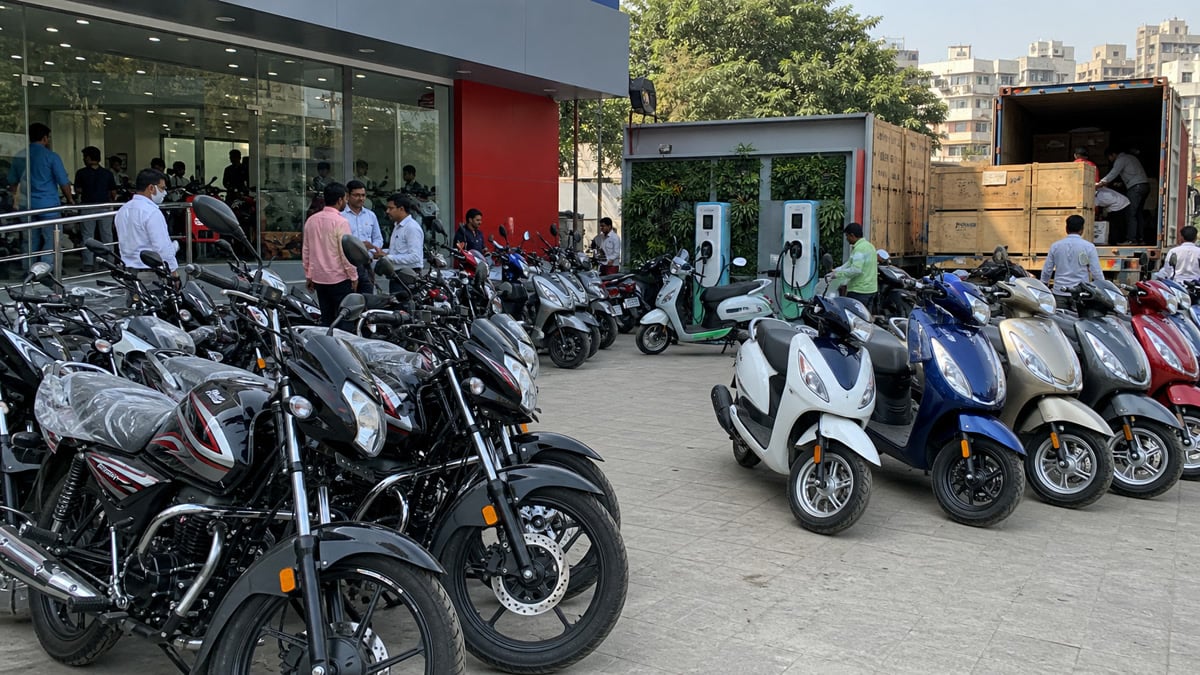
The product mix is equally important. Motorcycle sales remained the base of the business at 503,763 units, while scooters rose to 66,305 units, more than double the year-earlier level. That scooter jump is strategically relevant because urban buyers increasingly evaluate scooters through convenience, fuel efficiency, daily-use comfort and, in some cities, EV alternatives.
| Metric | May 2026 | May 2025 | Why it matters |
|---|---|---|---|
| Total dispatches | 570,068 | 507,701 | Shows broad demand recovery and dealer replenishment. |
| Motorcycles | 503,763 | 475,321 | Commuter bikes remain core to fuel-sensitive mobility. |
| Scooters | 66,305 | 32,537 | Urban convenience and scooter portfolio demand strengthened. |
| Exports | 33,284 | 18,704 | Global demand gives the company a second growth engine. |
| VIDA registrations | 19,052 | Not directly comparable as dispatches | Shows EV retail traction through VAHAN registration data. |
Why this matters for fuel-sensitive buyers
Two-wheelers are the most direct fuel-economy purchase category for millions of Indian households. A commuter motorcycle or scooter is often chosen after comparing monthly petrol spend, service cost, resale value, financing and city usability. Hero's May performance suggests buyers are still replacing or adding vehicles despite high sensitivity to running costs.
The motorcycle number matters for rural and semi-urban mobility, where daily travel, farm-linked errands, small-business movement and office commuting still rely heavily on petrol-powered bikes. Scooter growth matters more in dense cities and large towns, where convenience, storage, traffic usability and family use are key purchase filters. Together, both trends show that the buyer is not moving in only one direction; India's two-wheeler market is splitting across practical petrol commuters, higher-convenience scooters and EV alternatives.
VIDA registrations show the EV angle is no longer marginal
VIDA, Hero MotoCorp's electric mobility business, recorded 19,052 VAHAN registrations in May 2026, with reports citing 166% retail growth over the corresponding period last year. This is important because EV scooters compete on running cost, not just brand appeal. For urban users with predictable daily routes and access to charging, the cost-per-kilometre advantage can become meaningful against petrol scooters.
However, EV adoption still depends on practical details: charging access, battery warranty, real-world range, service network, finance offers and resale confidence. VIDA's May registration number indicates that Hero is scaling in the EV scooter market, but the next test is consistency over several months rather than one strong print.
Exports add a second layer to the story
Hero's export jump is a positive signal for production utilisation and market diversification. Strong overseas shipments can help two-wheeler manufacturers balance domestic seasonality, build scale and improve supply planning. For component suppliers and logistics partners, higher exports also mean more predictable dispatch activity across ports, inland transport and parts movement.
For investors and market watchers, exports make the sales update broader than a domestic commuter-bike story. If overseas demand continues to improve while domestic demand remains steady, Hero can benefit from both replacement demand at home and growth in international markets where affordable motorcycles remain essential transport.
What to watch next
The next signal will come from June dispatches and VAHAN retail registrations. Dispatch growth shows what manufacturers send to dealers, while VAHAN data reflects actual vehicle registrations. A healthy match between the two would indicate genuine retail pull. A wide gap could point to inventory build-up or uneven demand.
FuelPrice readers should also watch petrol price direction, scooter capacity, EV financing offers, festive-season inventory planning and whether VIDA can sustain registration momentum. If petrol costs remain firm, the split between high-mileage commuter bikes and electric scooters will become even more important in buyer decisions.
Final takeaway: Hero MotoCorp's May 2026 sales update is a high-signal two-wheeler market story. Petrol commuter demand remains strong, scooters are accelerating, exports are improving, and VIDA is gaining EV registration traction. For users, the practical question is now less about whether two-wheeler demand exists and more about which fuel and ownership model offers the best monthly-cost equation.