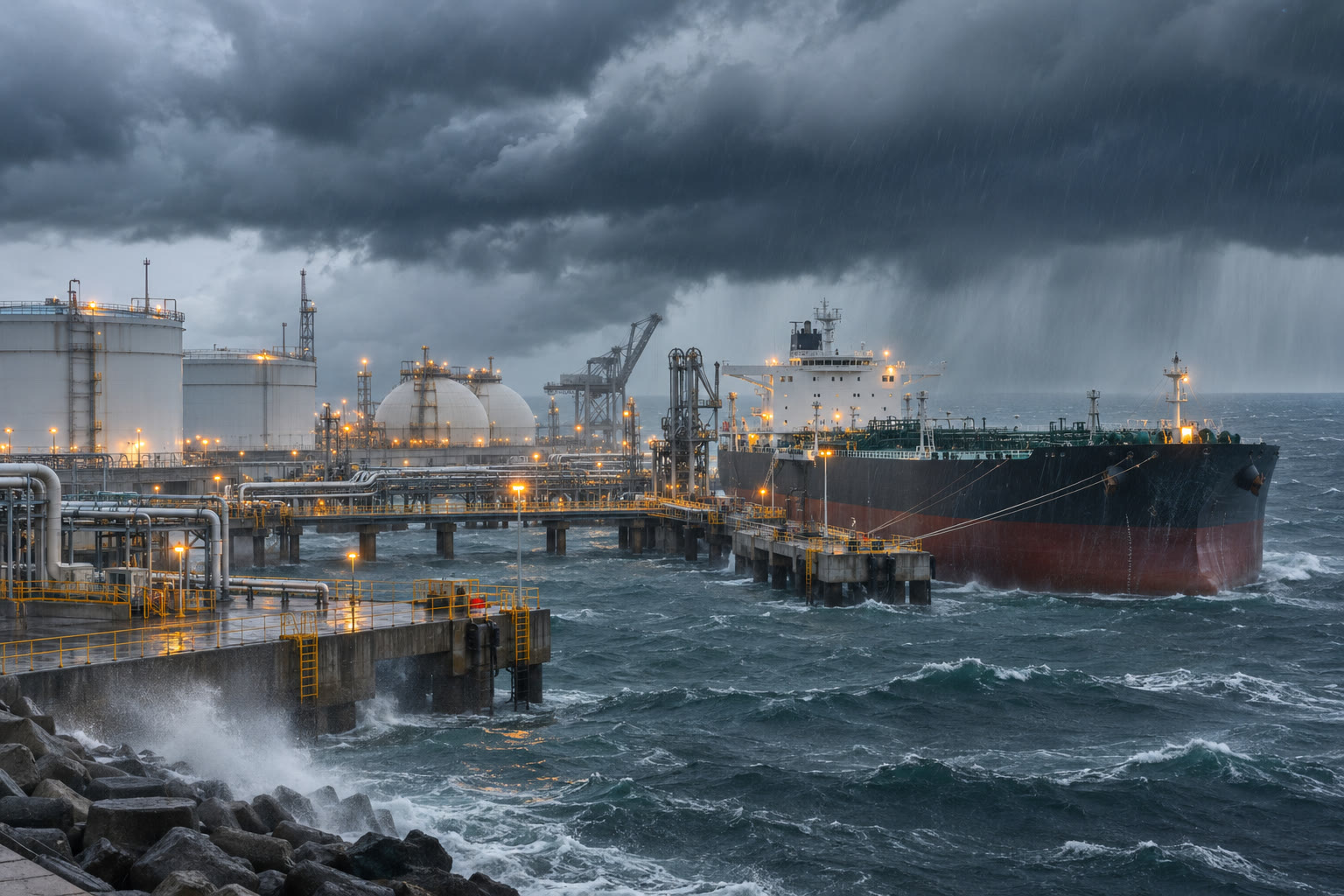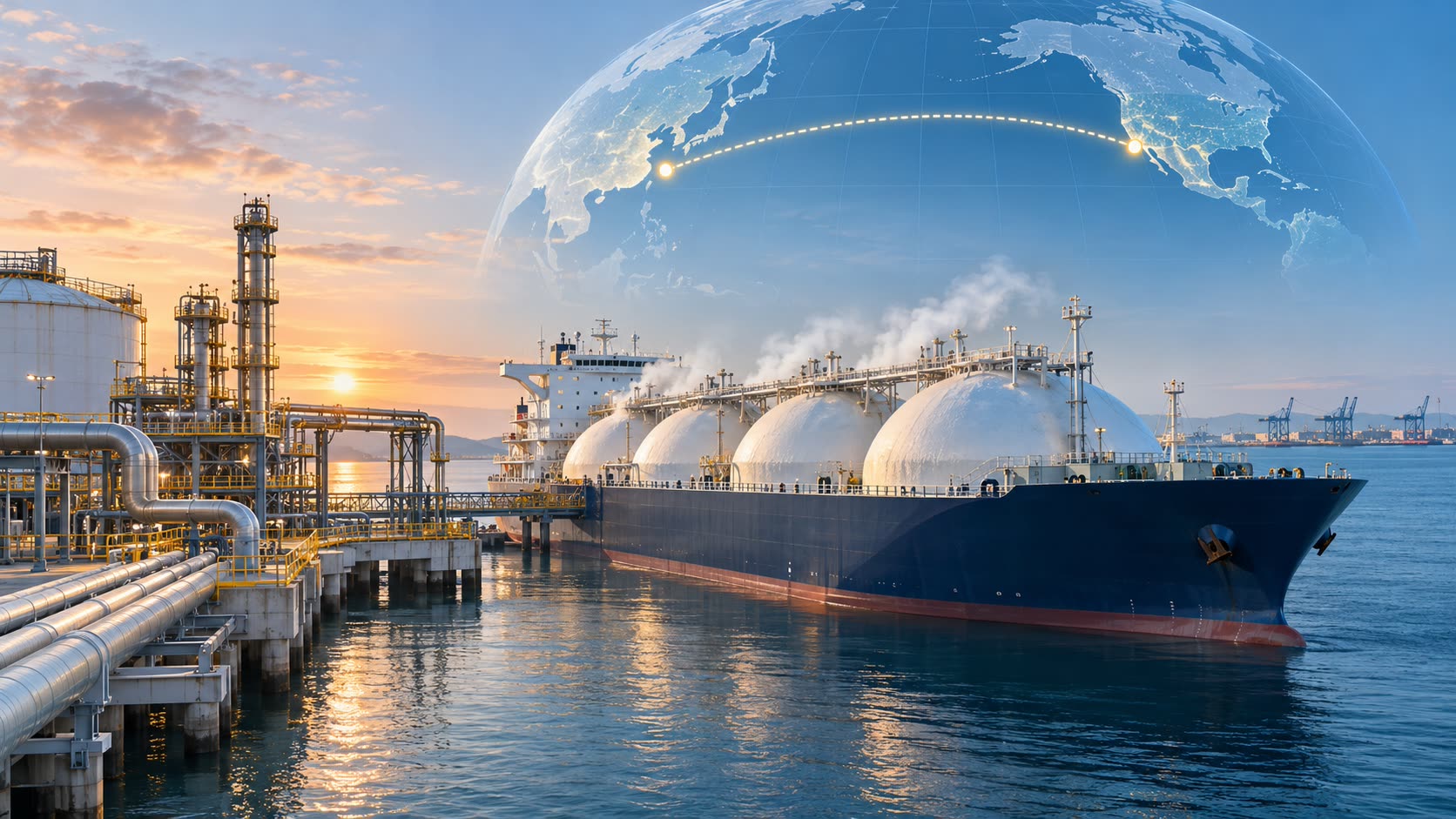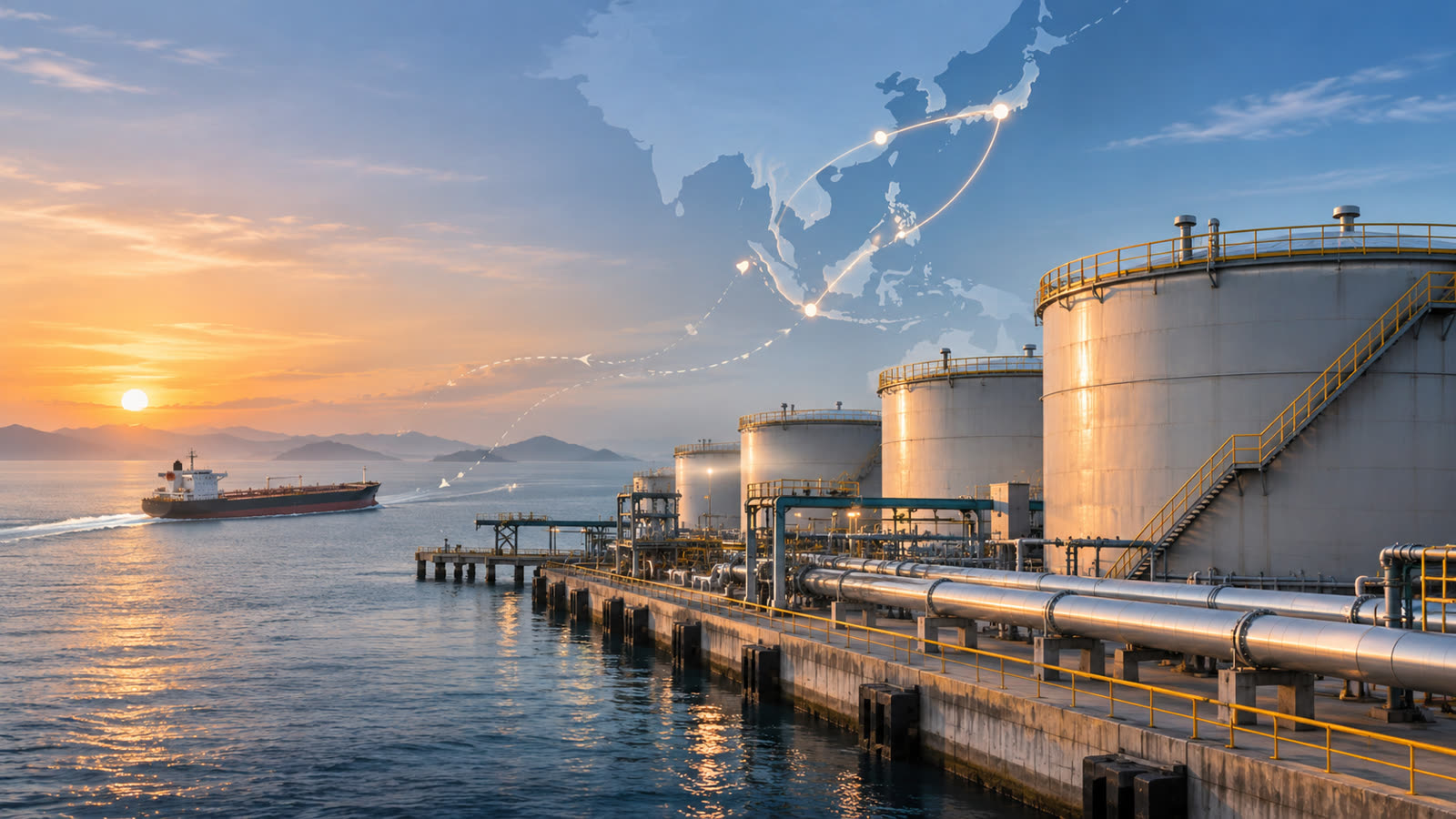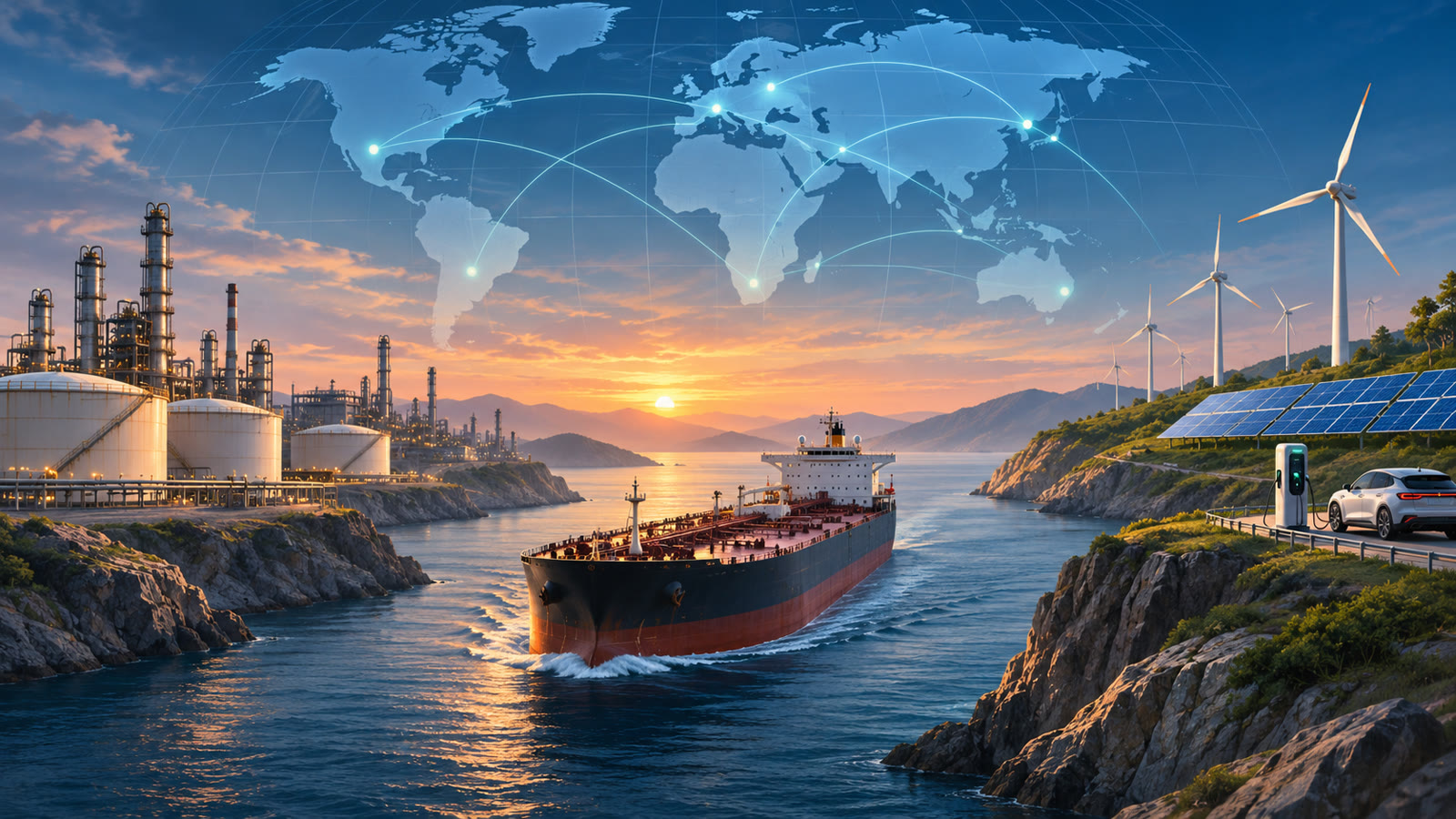
The International Energy Agency (IEA) said on 19 November 2026 that the energy supply shock linked to the conflict around the Strait of Hormuz has changed the assumptions behind global fuel security. The agency says governments are already moving to diversify supply routes, fuel mixes and technology chains — a shift that matters to drivers and fleets because disruption at a major oil chokepoint can reach petrol, diesel, jet-fuel and freight costs, while also accelerating the case for electrification.
The conclusion comes from the IEA's World Energy Outlook 2026, released on 19 November. Its independent findings were also reported by The Associated Press, which said the shock is reshaping how people will power homes, drive cars and fuel industries. The report is not a short-term pump-price forecast; it is a set of scenarios for how governments, companies and consumers could respond if the crisis leaves a lasting mark.
Key takeaways
- The IEA says energy security and affordability are now central drivers of policy after the 2026 supply shock.
- In the report's Low Hormuz Case, oil flows through the Strait could fall from around 20 million barrels per day before the crisis to 8.5 million barrels per day in 2030 and under 2 million barrels per day in 2035.
- Those Hormuz figures are scenario outputs, not a guaranteed timetable or a promise about future prices.
- Diversified supply routes, domestic energy, stronger grids and faster electrification are emerging as connected security measures.
What the IEA report actually says
The report's central message is that the 2026 disruption will not be treated as a one-off event in energy planning. The IEA says countries are responding by looking for more diverse suppliers, trade routes, fuel mixes and technology supply chains, while placing a higher value on energy that can be produced domestically.
That does not mean every government will choose the same mix. Some will put more weight on renewables, nuclear power, storage and electric transport. Others may retain coal, oil or gas as backup while they build new infrastructure. The IEA's point is that resilience and the energy transition are increasingly connected: a system with more local generation, efficient vehicles and flexible demand can be less exposed to a single maritime route.
It is important to separate confirmed findings from projections. The IEA's outlook uses several scenarios, including one that tests a world with lower future reliance on Hormuz. The agency explicitly says its scenarios are not forecasts. They are tools for understanding the consequences of different policy and supply choices.
Why the Strait still matters to drivers
Oil is traded globally, but motorists feel the effect through products rather than through a barrel of crude. The IEA says the disruption put particular pressure on diesel and jet fuel, while higher prices and supply constraints affected consumers and businesses. Freight operators, delivery networks, airlines and people who depend on private vehicles can therefore experience the same shock in different ways.
The report also shows why rerouting cargoes or releasing stocks can cushion a supply loss without removing the underlying risk. A chokepoint can be open, partly open or effectively restricted; each condition changes shipping decisions, refinery feedstocks and the availability of finished fuels. That is why a global energy headline does not always translate into an immediate or identical change at every pump.
| IEA scenario reference | Oil through Hormuz | How to read it |
|---|---|---|
| Before the 2026 crisis | Around 20 million barrels per day | Reference level cited in the report and AP coverage |
| Low Hormuz Case, 2030 | 8.5 million barrels per day | Scenario for reduced reliance on the route |
| Low Hormuz Case, 2035 | Under 2 million barrels per day | Longer-term scenario, not a confirmed outcome |
The IEA report and AP both carry the same scenario path. It should be read as a stress test for energy planning, not as a price signal that can be applied directly to a household's next fill-up.
What this means for fuel users and fleets
For an individual motorist, the practical question is the current local cost of a journey. International crude and shipping conditions matter, but the price displayed at a station also reflects local market structures, refining and distribution conditions, taxes and currency movements. Checking live fuel prices gives a more useful starting point than assuming a global headline has already reached the pump.
For a fleet or transport operator, diesel exposure is the more immediate concern because fuel costs sit alongside freight rates, route planning and vehicle utilisation. A supply shock can affect the cost of a trip even when a vehicle's route does not pass near the original disruption. The fuel cost calculator can help compare the fuel component of different journeys using current inputs.
EV owners and prospective buyers are part of the same security discussion. The IEA says rising EV use, biofuels and plug-in hybrids are already reducing oil demand, while its broader policy message links electrification with lower exposure to imported fuel routes. That benefit depends on dependable charging and electricity supply, so drivers can use the EV charging directory to check practical charging availability in their region.
Why electrification is now an energy-security story
The IEA's argument is wider than a climate target. A petrol or diesel vehicle is tied to liquid-fuel supply chains that can be disrupted far from where the vehicle is used. An electric vehicle shifts more of its energy use to the power system, which creates its own needs — reliable grids, generation capacity, charging access and affordable electricity — but also gives governments another way to reduce dependence on a single fuel route.
This is why the report describes energy security and energy transitions as increasingly aligned. The shift will not be uniform, and electrification does not make a country immune to energy shocks. It changes which infrastructure matters and gives policymakers another set of tools to manage demand when oil and gas flows are uncertain.
What to watch next
The key variable is how long the disruption and related shipping risks last. A shorter episode could leave governments focused on inventories, alternate cargo routes and emergency measures. A prolonged episode would strengthen the case for new pipelines, storage, domestic generation, cleaner transport and supply-chain diversification. The IEA says the longer the crisis lasts, the deeper the structural effects are likely to be.
For readers, the useful follow-up is local rather than speculative: watch actual fuel prices, compare the fuel cost of a planned journey and check charging access if using an EV. The road-trip planner can put those choices into a route-level context while the global energy picture continues to change.
Reader takeaway
The IEA's outlook turns the 2026 supply shock into a longer-term warning: energy security will be judged by how well a system absorbs a route disruption, not only by its average oil price. Drivers should track local pump prices and trip costs; fleets should watch diesel, freight and route risk; EV users should watch charging and grid reliability. The broad direction is confirmed, but the future path depends on how the crisis develops and which policies countries actually implement.
This article is for general information only and is not financial, insurance or legal advice.
Sources
- International Energy Agency — “As an unprecedented shock reshapes the energy world, its duration will determine the scale of the change” (19 Nov 2026)
- International Energy Agency — World Energy Outlook 2026 (19 Nov 2026)
- The Associated Press — “There is no going back ‘to the way it was before’ the Iran war’s energy shock, IEA says” (19 Nov 2026)