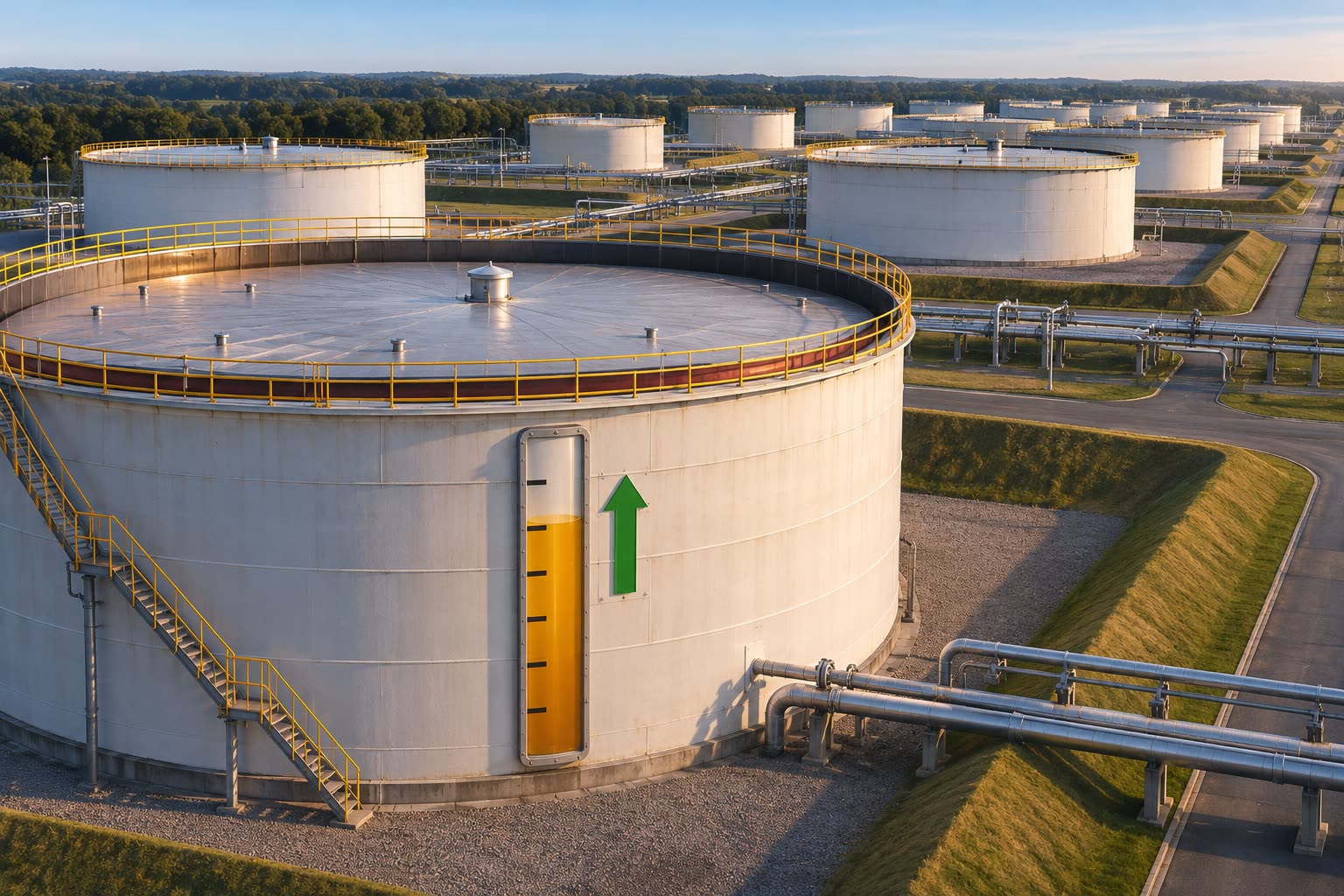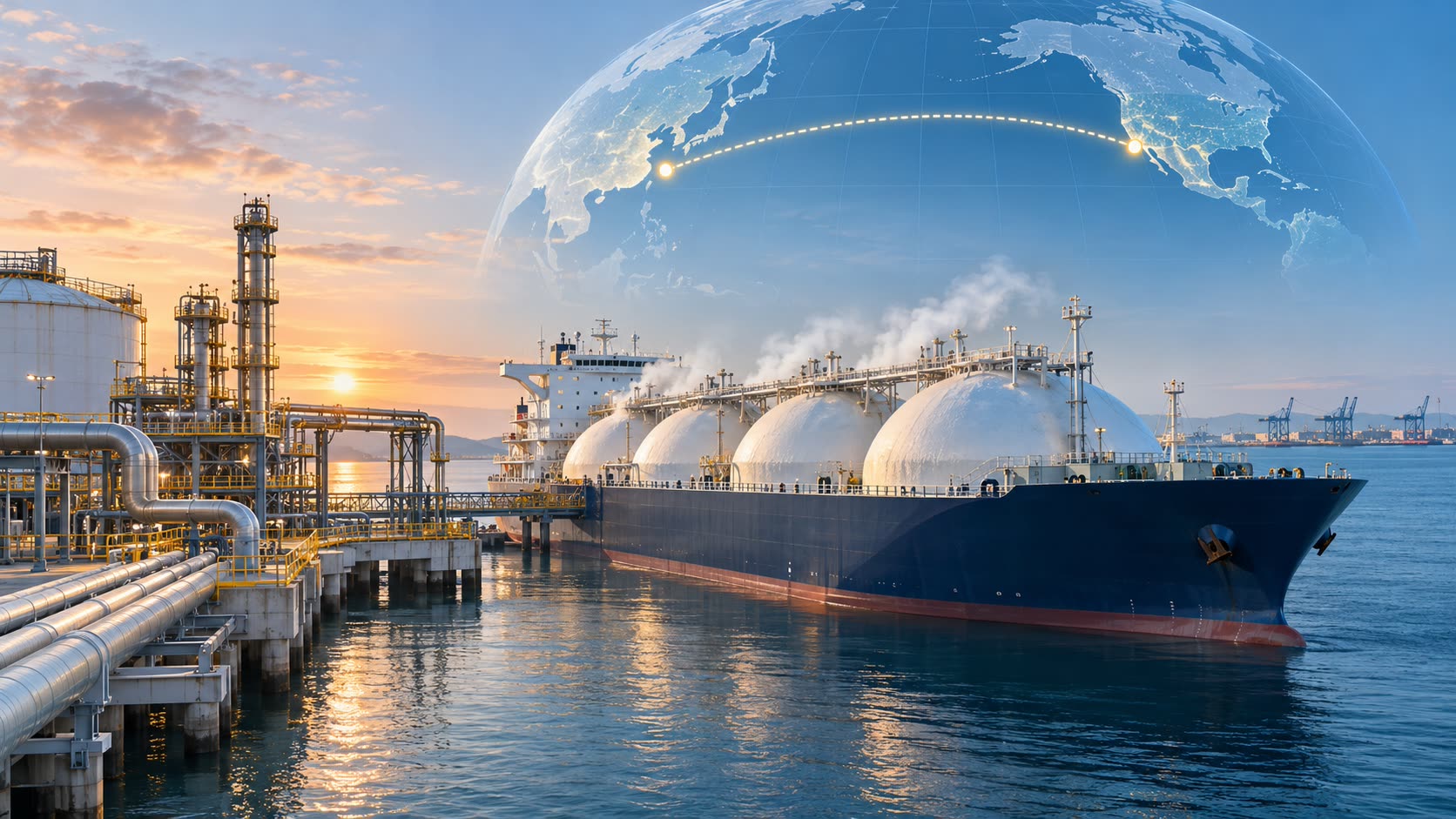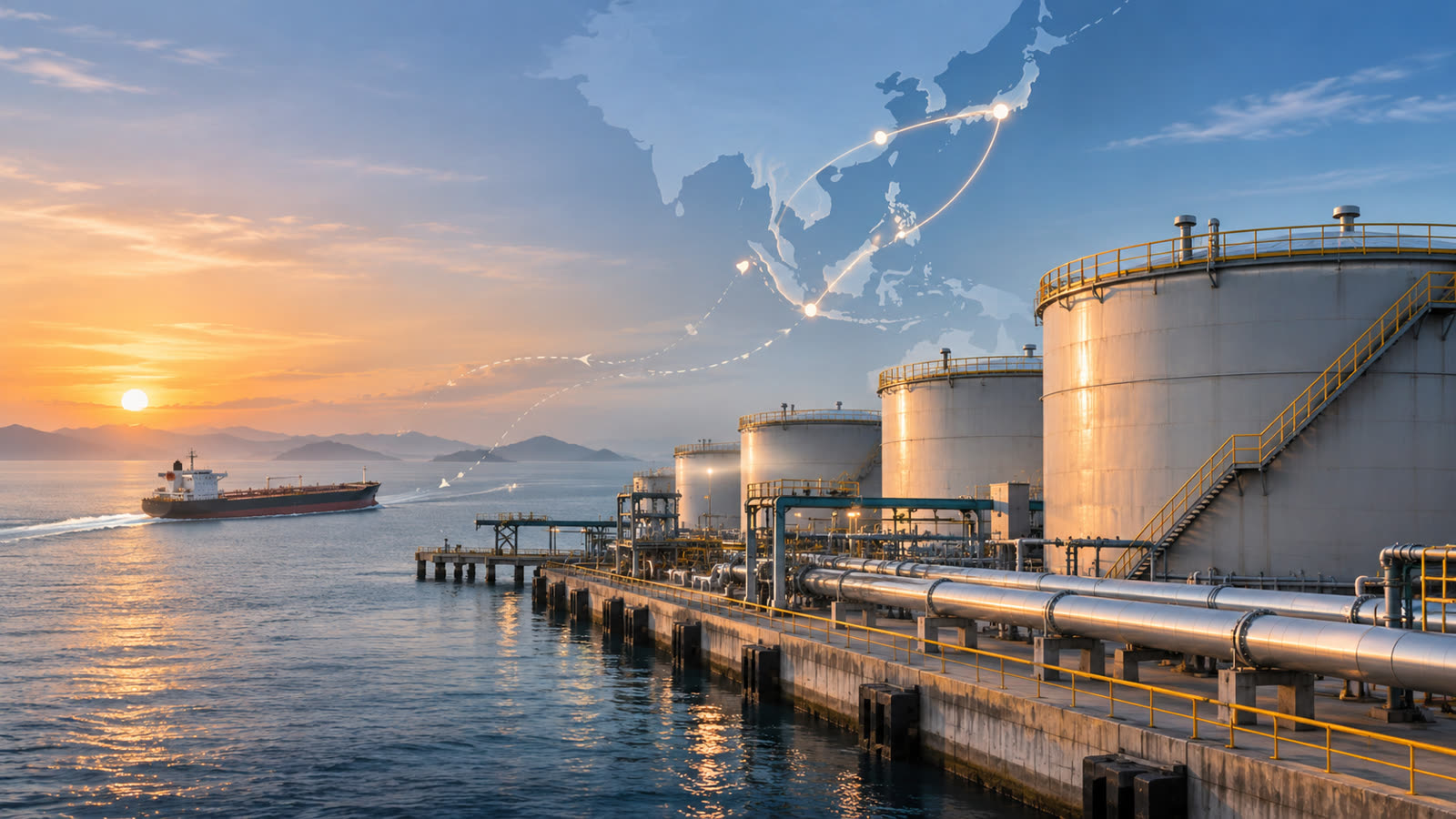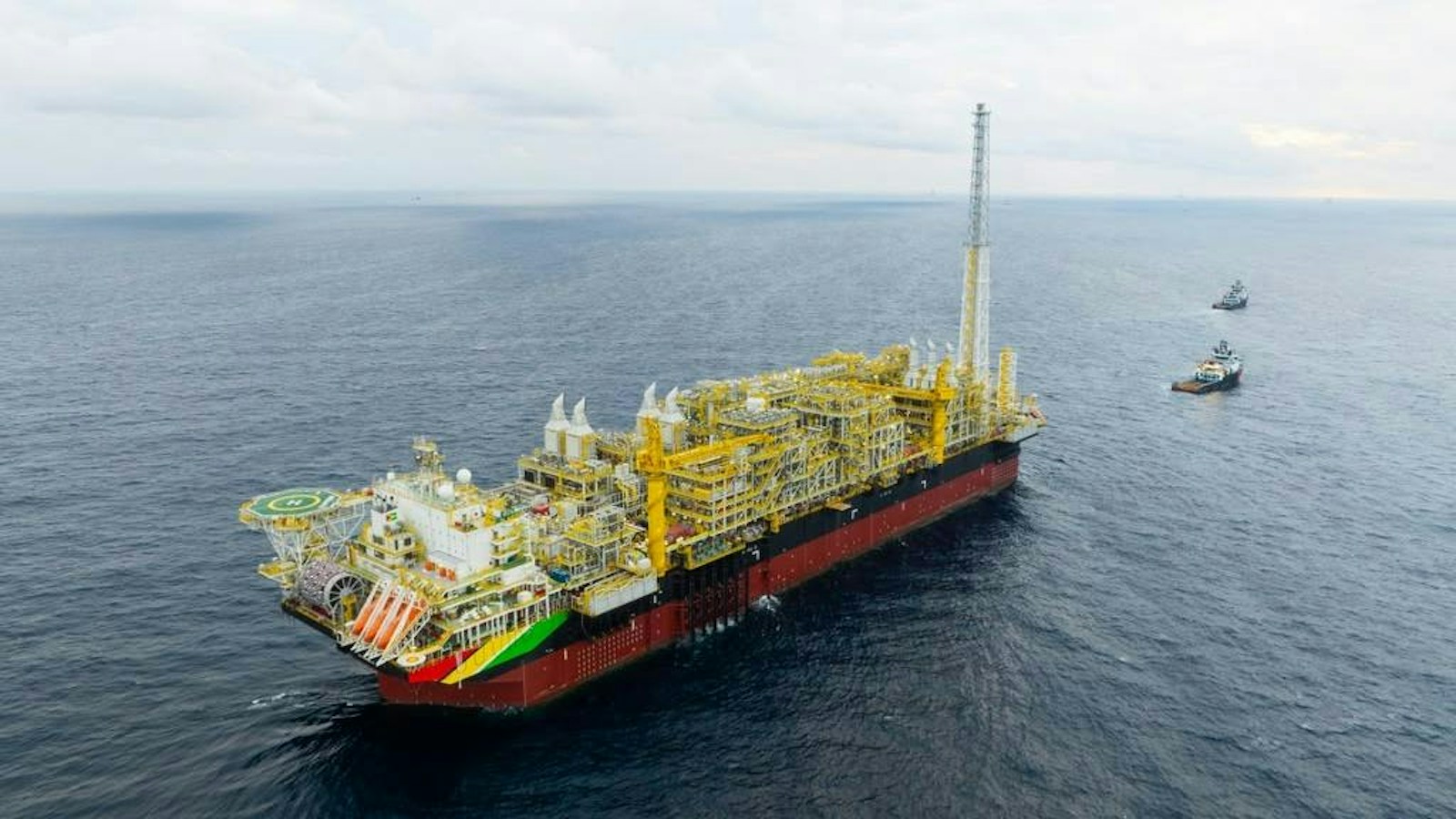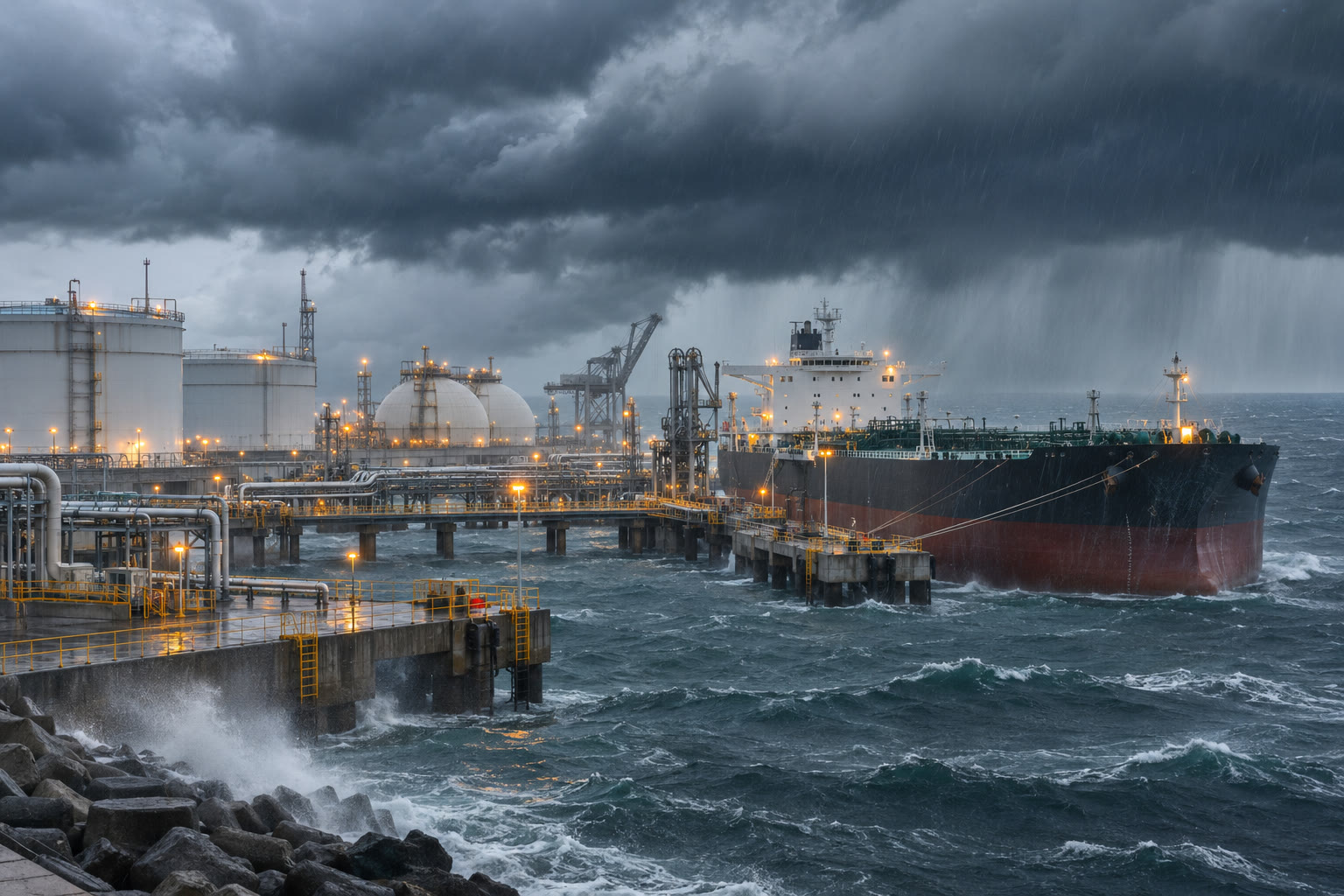
The International Energy Agency (IEA) said on 18 November 2026 that extreme weather is becoming a bigger operational risk for global oil and natural-gas shipping. For drivers, fleets and energy buyers, the warning matters because storms, flooding, drought and heat can close ports, slow tankers or force longer routes before any shortage appears at a fuel station.
The report is a forward-looking risk assessment, not a notice that a named port is closed today. But Energy Intelligence independently reported the same broad conclusion: more intense weather hazards could put ports, export terminals, refineries and major shipping routes under greater pressure in the coming decades.
Key takeaways
- In the IEA's assessment, around 40% of global crude-oil supply, 30% of petroleum products and 15% of natural-gas supply travelled by water for at least part of the journey in 2024.
- Tanker-handling ports experience around 1.5 days of weather-related downtime a year on average, while major events can interrupt operations for weeks or months.
- International oil and gas shipping is projected to rise by more than 15% by 2035 in the IEA's Stated Policies Scenario, with LNG shipping growing particularly strongly.
- The practical risk is not an automatic worldwide fuel shortage: it is a higher chance of delayed cargoes, costlier diversions and uneven regional prices when physical buffers are thin.
What the IEA report found
The IEA's report, Extreme Weather Risks to International Oil and Natural Gas Shipping, examines the part of the energy system between production and the consumer. Oil and gas may be available underground or at an export terminal, yet still fail to reach a refinery or import market on schedule if a port is flooded, a channel becomes unsafe or a vessel must wait for conditions to improve.
That exposure is growing because international fuel trade depends on a network of physical nodes: tanker berths, storage terminals, refineries, rivers, canals and narrow maritime passages. The agency says crude-oil trade volumes have risen by around 15% since 2000, while LNG volumes have quadrupled over the same period. It expects international oil and gas shipping activity to increase further under its stated-policy outlook.
The report also finds that disruptions do not need to destroy infrastructure to affect fuel markets. A temporary closure can create a queue of vessels, delay loading or unloading, and push cargoes onto longer routes. Longer voyages consume more marine fuel, increase emissions and can raise freight, insurance and working-capital costs. Those costs may first appear in wholesale markets, but they can eventually influence the delivered price of petrol, diesel, jet fuel or gas.
Why the risk is global
The IEA identifies several different weather pathways. Tropical cyclones can damage terminals and interrupt operations in East Asia and the United States Gulf Coast. River and coastal flooding can cut off ports from the roads, railways and pipelines that move fuel inland. Drought can lower water levels on inland waterways and limit the cargo a vessel can carry. Extreme heat can affect equipment, worker safety and the reliability of energy infrastructure.
Geography makes the exposure uneven. Virtually all tanker-handling ports in Japan, Korea and China face some tropical-cyclone exposure on the IEA's long-term risk measure. In Europe, more than 100 tanker-handling ports are exposed to river or coastal flooding. The US Gulf Coast also matters beyond the United States because it contains a large concentration of refining and export infrastructure tied to international fuel flows.
Chokepoints are especially important. If a ship can reroute around a storm, the impact may be measured in extra days and fuel use. If a route has few practical alternatives, a disruption can delay supply to an entire group of importing markets. The IEA points to passages including the Luzon Strait and the Turkish Straits as examples of locations where route concentration can magnify a weather event.
What it means for fuel users
For a private driver, this is not a reason to assume the next pump-price change will be higher. Local retail prices still depend on the crude benchmark, refinery margins, taxes, exchange rates, freight and domestic supply. A weather disruption in one region can be absorbed by inventories or alternative cargoes, while a smaller disruption at a critical hub can matter more than a larger storm elsewhere.
Drivers can use FuelPrice's live fuel prices page to check the rate that actually applies in their market. For a planned journey, the fuel cost calculator is more useful than converting a global shipping risk directly into a guessed pump price. The calculation should use the current local rate, the vehicle's real-world efficiency and the expected distance.
Fleet operators face a wider set of effects. A delayed diesel cargo can change procurement timing, while a rerouted tanker can raise the cost of fuel delivered to a port. If disruptions become persistent, businesses may need to reassess inventory cover, supplier concentration and the resilience of routes that depend on one terminal or waterway. Those are planning questions, not a guarantee that prices will move in one direction.
For EV owners and prospective buyers, the report reinforces why energy resilience is broader than crude supply. Electricity networks, charging sites and local generation are also exposed to heat, floods and storms. Drivers comparing alternatives can use FuelPrice's EV charging directory to see where charging infrastructure is available, while remembering that availability can change during severe weather.
What ports and governments are being asked to do
The IEA recommends putting extreme-weather risk into national energy-security planning instead of treating it only as an emergency response issue. Its measures include diversifying supply sources and routes, strengthening port and terminal infrastructure, improving early-warning systems and sharing information across operators and governments.
The emphasis is on resilience rather than prediction. Weather forecasts can reduce the surprise element, but they cannot remove exposure from a port built on a floodplain or a shipping route with no easy substitute. More storage, alternative import points and better coordination can give fuel systems time to absorb a delay without turning it into a consumer-facing shortage.
What to watch next
The next signals will be operational rather than headline-driven: port closures, vessel queues, river restrictions, rerouting notices, refinery outages and changes in freight or insurance costs. Readers should also watch whether extreme-weather resilience becomes part of new energy-security plans and infrastructure investments, especially in markets that rely heavily on imported fuel.
The reader takeaway is measured but important. Global fuel supply is not only a question of how much oil or gas is produced; it is also a question of whether ships, terminals and routes can keep moving it safely. As dependence on seaborne trade grows, weather resilience becomes part of the price and reliability of the fuel used for everyday travel.
This article is for general information only and is not financial, insurance or legal advice.
Sources
- International Energy Agency — “Extreme weather poses growing risks to global oil and natural gas shipping, new IEA report finds” — 18 Nov 2026
- International Energy Agency — “Extreme Weather Risks to International Oil and Natural Gas Shipping” — 18 Nov 2026
- Energy Intelligence — “IEA Flags Risks of Extreme Weather to Oil and Gas Shipping” — 18 Nov 2026