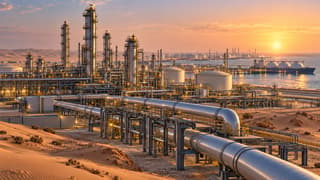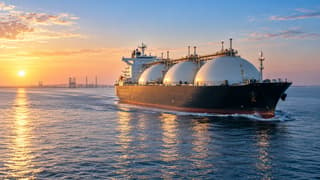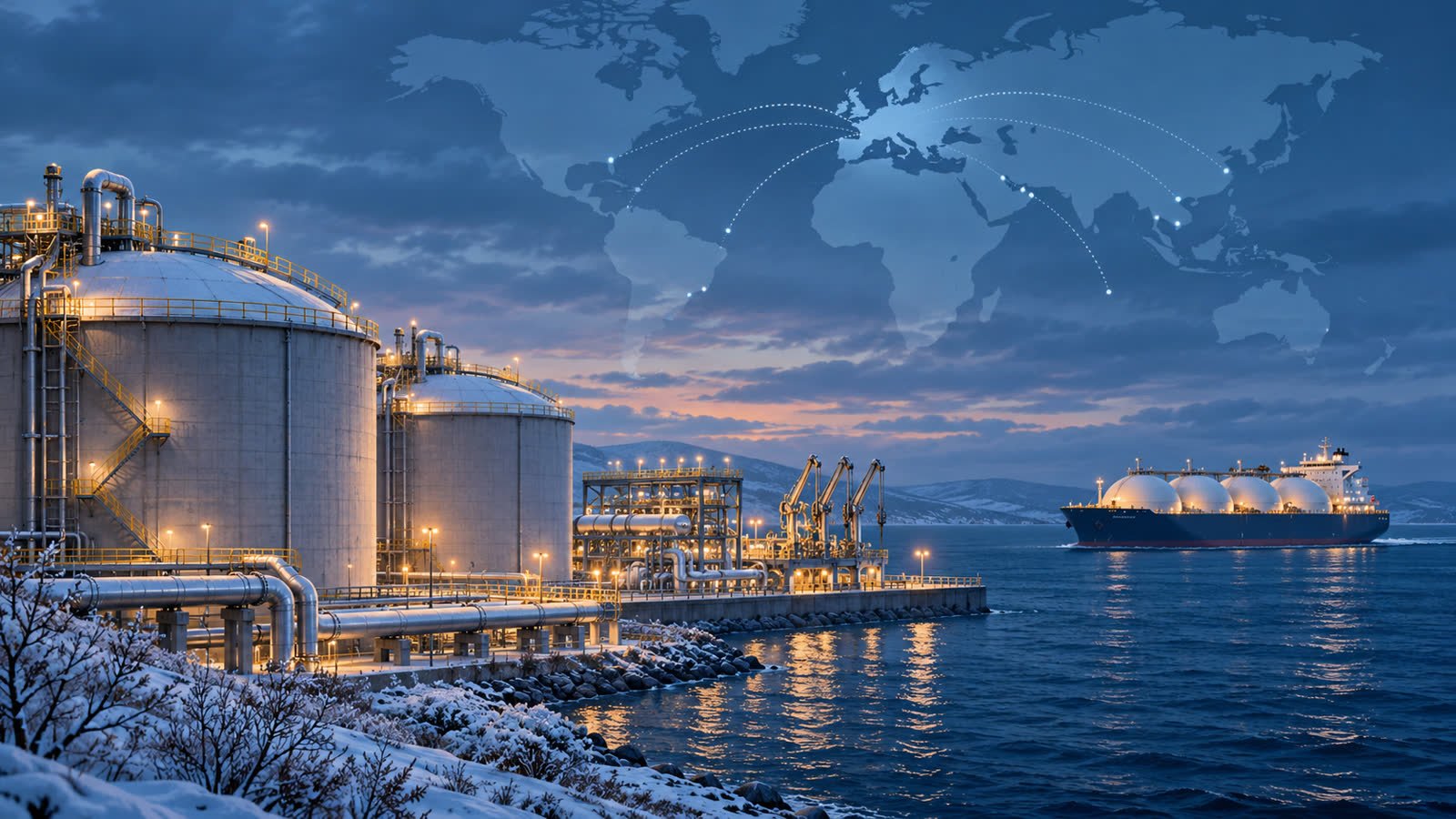
On 3 Nov 2026, the International Energy Agency (IEA) launched its latest Global Gas Security Review and quarterly gas-market assessment. The agency said European gas storage levels are at their lowest in more than a decade, leaving a smaller buffer against supply disruptions as the 2026–27 Northern Hemisphere winter approaches. For global energy buyers, the warning points to a tighter contest for flexible liquefied natural gas (LNG) cargoes, especially if weather or geopolitics disrupts supply.
This is a market-risk assessment, not an announcement of gas rationing or a new petrol and diesel price rule. Its importance is that natural gas is connected to heating, electricity generation, industry and shipping; a thinner storage cushion can make those costs more volatile even when the effect on a local filling station is indirect.
Key takeaways
- The IEA's 3 Nov 2026 review focuses on global gas security, the Middle East crisis and the 2026–27 winter heating season.
- The agency says Europe's storage buffer is at its lowest in more than a decade, reducing room to absorb a supply or shipping shock.
- EU regulator ACER says Europe is competing with Asia for flexible LNG cargoes while Middle East supply remains disrupted.
- Independent market analysis has not described an immediate shortage, but it has warned that the region's operating cushion is unusually thin.
- For drivers, the direct follow-up is to watch local petrol and diesel prices, while EV owners and fleets should also track electricity and gas-cost pressure.
Why the IEA warning matters now
Gas storage is not the same as gas production. It is a reserve that can be withdrawn when household heating, power generation or industrial demand rises faster than daily pipeline and LNG deliveries. Entering winter with less gas in store does not automatically mean consumers will run out. It does mean the market has less room for error: a cold spell, a delayed cargo, a shipping restriction or an outage can require buyers to compete more aggressively for replacement supply.
The IEA's review combines its annual gas-security work with its Q4 Gas Market Report. The agency says the report assesses how the Middle East crisis has affected regional and global gas markets, and examines LNG contracting and flexibility. That last point matters because long-term contracts, spot cargoes, storage and import terminals do not offer the same protection during a disruption. A buyer with a flexible contract or access to several supply routes has more options than one relying on a single corridor.
Europe's buffer is thin, but this is not a forecast of rationing
Europe's regulator, the Agency for the Cooperation of Energy Regulators (ACER), said in its 27 Oct 2026 monitoring update that EU storage remained below historical levels after a slow refill. It also said disruptions to LNG flows linked to the Middle East had tightened supply, raised gas prices and increased the cost of rebuilding stocks. ACER's outlook is that Europe and Asia will continue competing for flexible spot LNG during the heating season.
S&P Global's CERA analysts had reached a similar conclusion before the IEA launch, describing the expected start of the heating season as the lowest storage fill in records dating back to 2011. That does not establish that an energy shortage is certain. It shows why the same volume of available gas can command a larger risk premium when inventories, shipping routes and weather are all uncertain.
Reuters reported in October that analysts did not see an outright supply shortage as the base case, but did see an inadequate operating buffer and a risk of further price spikes. That distinction is important for readers: a market can remain physically supplied while still becoming much more expensive and volatile for households, factories, power generators and transport businesses.
Why LNG competition can spread beyond Europe
LNG is natural gas cooled into a liquid so it can be moved by ship. If European buyers need more cargoes to offset low storage or disrupted flows, they compete with Asian importers for flexible supply. That competition can influence regional gas benchmarks, shipping availability and the economics of gas-fired electricity in several markets.
ACER said the EU was relying more heavily on suppliers outside the Middle East as Qatari flows fell. The regulator also highlighted the importance of U.S. LNG and warned that winter import needs will depend on weather and demand. These are not guarantees of a price direction. Additional supply from one route can ease pressure in one region while a storm, outage or shipping constraint pushes prices higher elsewhere.
The effect on road fuel is indirect. Petrol and diesel prices are driven mainly by crude oil, refined-product balances, freight, taxes, currency movements and local pricing decisions. A gas-security warning should not be converted into a promise that pump prices will rise or fall. Readers can check current regional fuel rates in the fuel prices hub and estimate a trip using the fuel cost calculator, rather than assuming that a change in LNG markets passes through one-for-one to petrol or diesel.
What it means for EV owners, fleets and transport operators
Gas-market stress can still matter to transport. Gas-fired power plants may set electricity prices during periods when renewable generation is low, so higher gas costs can feed into wholesale power markets. Industrial users may also face higher input costs, which can flow through to freight, logistics and manufactured goods. The size and timing of those effects differ by country and by contract.
EV owners are therefore watching two separate numbers: the cost of charging and the cost of using a petrol or diesel alternative. The IEA report does not set either price. A driver planning a longer trip can use the EV charging directory to check available charging locations, then compare the route's charging or fuel assumptions with the actual local rates.
For fleet operators, the useful questions are operational: how much of the energy supply is contracted, which routes can be substituted if a cargo is delayed, how exposed the business is to power prices, and whether a vehicle's fuel or charging network has adequate redundancy. Those questions are more actionable than treating a global gas report as a simple forecast for the next tank of fuel.
What to watch next
- Storage withdrawals: the pace at which European sites draw down during cold weather will show how quickly the buffer is being used.
- LNG arrivals: cargo flows from the United States, the Middle East and other exporters will show whether buyers can replenish supply without a new price spike.
- Weather and power demand: a colder or less windy period can increase gas use for heating and electricity at the same time.
- Shipping and policy: disruptions around major sea routes, import rules, strategic-stock measures and demand-reduction policies can change the balance quickly.
Readers can follow further developments in the worldwide fuel and energy news section as storage, shipping and regional gas prices evolve.
Reader takeaway
The IEA's new review makes a clear distinction between availability and resilience. Europe is not being told that gas will automatically run out, but its lower storage cushion leaves less protection against a cold winter or another LNG disruption. For global fuel and mobility users, the practical response is to watch the local price and route data that affect a trip while keeping the wider gas, power and shipping picture in view.
Sources
- International Energy Agency, Global Gas Security Review and Q4 Gas Market Report, 3 Nov 2026
- ACER, EU gas storage is 75% filled, 27 Oct 2026
- S&P Global, European gas, power markets enter Q4 under cloud of high prices, supply concerns, 30 Sep 2026
- Reuters via Investing.com, Europe set for another year of high gas prices as reserves hit lows, 12 Oct 2026
This article is for general information only and is not financial, insurance or legal advice.