A fresh India auto market signal has emerged on May 28, 2026: passenger EV demand is accelerating in the most price-sensitive bands after repeated fuel price increases. Tata Motors Passenger Vehicles said EV bookings are now about 2 to 2.5 times the level seen before the West Asia conflict phase, with the sharpest traction in products priced below Rs 15 lakh.
Rising pump costs are becoming a direct trigger for powertrain shifts in mass-market vehicle buying decisions.What changed in the latest update
Business Standard reported on May 28 that Tata Motors Passenger Vehicles Managing Director and CEO Shailesh Chandra flagged a sharp increase in EV bookings over the last two months, with the momentum becoming stronger in the last 15 days. He also said interest is strongest in EVs below Rs 15 lakh, which is a critical price band for mainstream buyers.
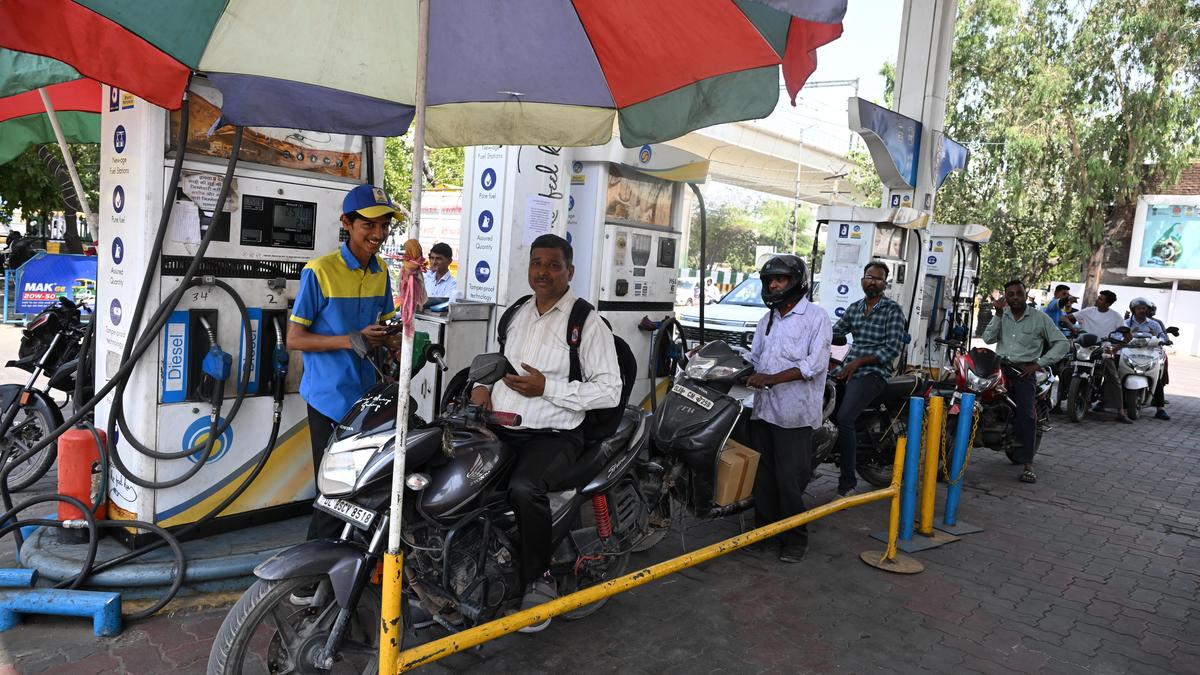
On the same day, PTI syndicated coverage carried by Rediff said fuel prices had risen four times in the last ten days, and that higher diesel costs can amplify inflation pressure through logistics. Together, these two signals matter because they connect household running-cost concerns with near-term powertrain migration.
Capacity is being raised, but supply side is still the gate
Tata said current EV production is around 10,000 units per month and the company is working to raise output by about 50 percent to 15,000 units per month in the next 3 to 4 months, subject to component supplier readiness. This means demand may run ahead of dispatches if vendor ramp-up remains uneven.
For market watchers, this is a classic transition bottleneck: consumer intent is moving faster than ecosystem throughput. In this phase, waiting periods, variant availability, and vendor execution can influence how much of booking momentum converts into retail sales.
Why this is a FuelPrice story, not only a product story
- Fuel-to-EV linkage is now visible in real booking behavior: this is no longer a theoretical shift.
- Sub Rs 15 lakh demand concentration is important: it points to cost-sensitive households reacting to monthly running-cost uncertainty.
- Inflation channel remains active: higher diesel costs can pass into freight and then into household spending.
- Powertrain mix may change faster than body-style mix: consumers may keep segment preference but switch to more efficient propulsion options.
What to watch next
- Whether EV booking momentum sustains through June as fuel-price direction evolves.
- How quickly suppliers support the targeted move from 10,000 to 15,000 EV units per month.
- Whether the sub Rs 15 lakh share rises further across EV launches and trims.
- If fuel-linked inflation pressure weakens demand in other passenger vehicle categories.