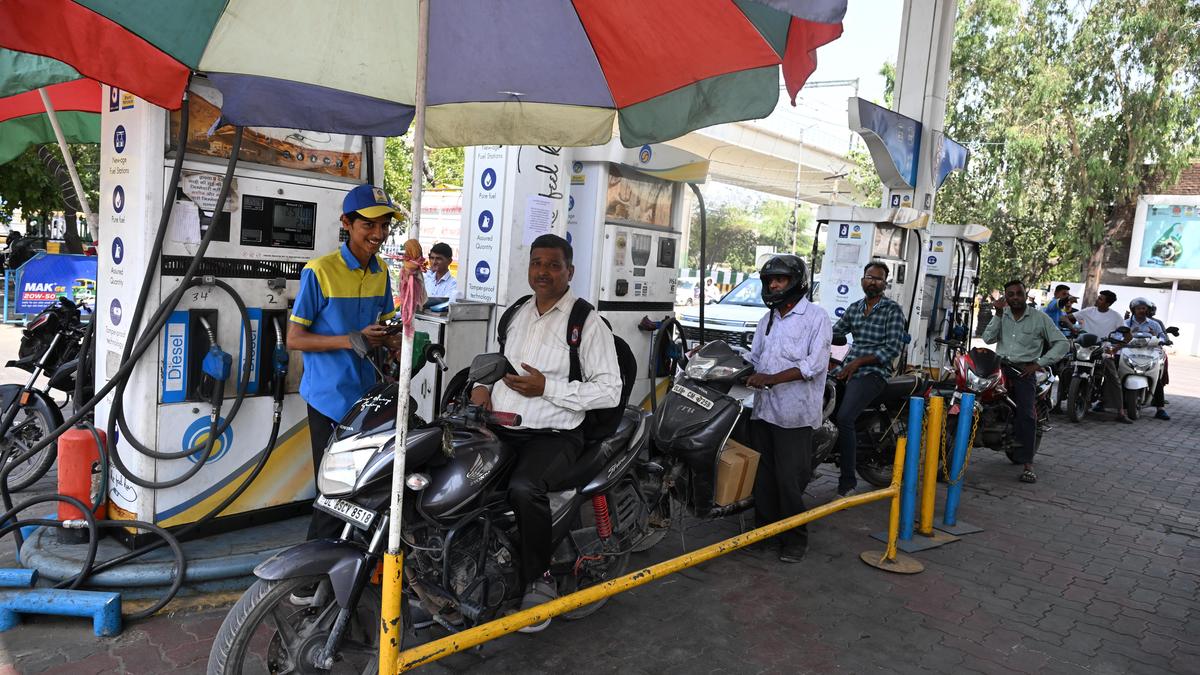
India is facing an unusual short-term energy pattern: extreme heat is pushing electricity demand to record highs, but analysts now expect transportation fuel demand growth to soften in the near term as travel and outdoor movement get disrupted across key regions.
Heatwave pressure is changing fuel-use behavior, with mobility patterns and timing becoming more volatile.What changed in the latest assessment
S&P Global Commodity Insights reported on May 28, 2026 that severe heat conditions are likely to limit near-term growth in gasoline and diesel demand, particularly in north and central India. According to the report, transportation fuel demand growth in May-June could stay below 1 percent year-on-year, versus an average of around 4 percent for the same seasonal window.
Why this is a high-impact fuel story
- Demand pattern distortion: extreme daytime temperatures can reduce discretionary travel, alter freight dispatch timing, and compress mobility into cooler windows.
- Supply side still running: refinery runs are expected to stay supported, so the issue is not only supply availability but demand quality and timing.
- Cost pressure remains: higher retail fuel prices and weather stress can jointly influence consumption behavior in transport-heavy segments.
Record power demand adds context, not contradiction
Heatwave conditions have simultaneously pushed power usage to new highs. Reuters coverage carried by Business Standard and Financial Express reported that India hit a peak power demand of 270.82 GW on May 21, 2026, with thermal power continuing as the backbone during peak hours.
This does not conflict with softer transport-fuel growth. It indicates that cooling-driven electricity demand is surging, while mobility fuel demand can still cool at the margin when weather and cost stress affect travel behavior.
What to watch next
- How quickly transport-fuel demand normalizes after wider monsoon onset from mid-June.
- Whether any additional pump-price adjustments change freight pass-through and mobility frequency.
- Regional differences between heat-stressed inland states and early-monsoon southern markets.
- Generator usage trends and their secondary effect on diesel draw in non-grid-dependent pockets.