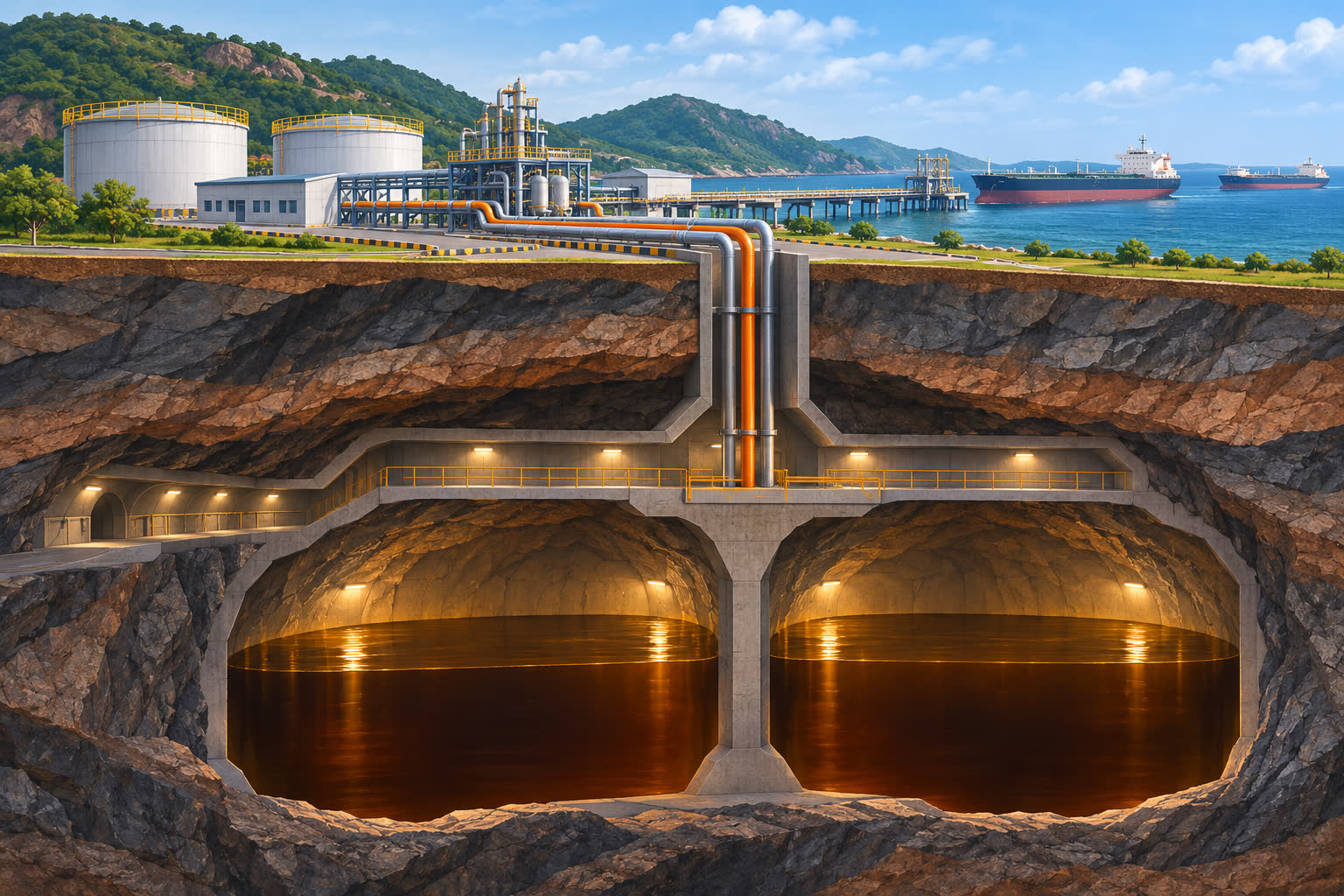
India has invited private bids for a proposed 4-million-tonne strategic petroleum reserve at Chandikhol in Odisha, with an estimated project cost of ₹8,571 crore. The tender is aimed at adding a future buffer against crude-supply disruptions, but it is not a new petrol or diesel price order for motorists.
For drivers, the distinction matters. The facility is still at the tender stage, so it cannot change the price paid at a fuel station today. Its value, if the project is awarded, built and filled, would be in helping India manage a future supply shock with more domestic crude-storage capacity.
Key takeaways
- State-run Indian Strategic Petroleum Reserves Ltd (ISPRL) has listed a tender for a commercial-cum-strategic reserve at Chandikhol, Odisha.
- The proposed facility would hold 4 million tonnes of crude oil and is estimated by ET EnergyWorld and The Times of India at ₹8,571 crore.
- The tender model provides for government support of up to ₹5,142 crore, with the contract going to the bidder seeking the lowest grant, according to the tender documents reported by both outlets.
- ISPRL’s tender listing gives 1 Dec 2026 for the pre-bid meeting and 26 Feb 2027 for bid submission; neither date is a commissioning date.
What has been proposed
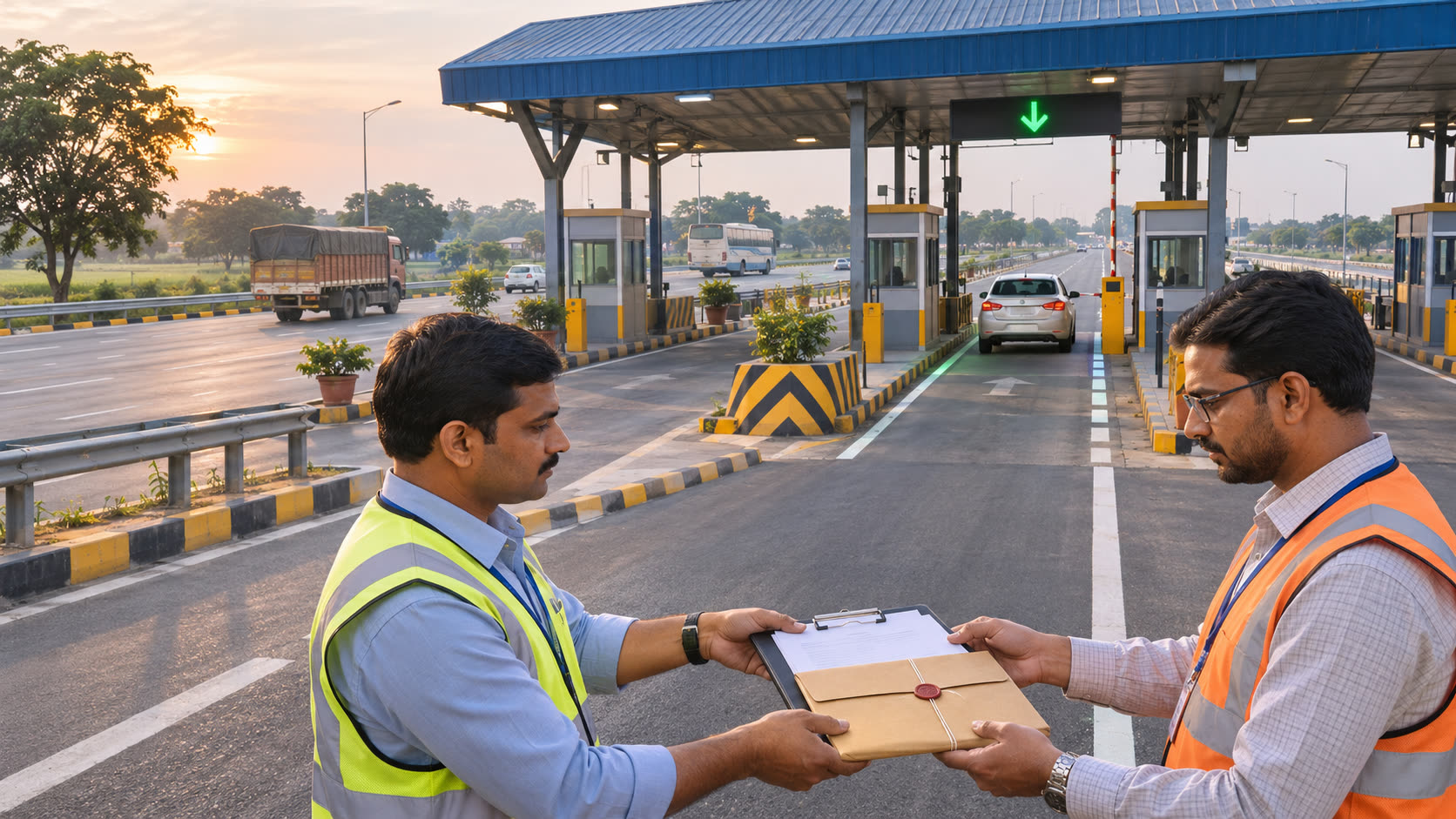
ISPRL’s tender listing describes the Chandikhol package as development and operations of a 4.0-million-tonne commercial-cum-strategic petroleum reserve, with associated single-point mooring and onshore and offshore pipelines. It is being offered under a design-build-finance-operate-transfer structure within a public-private partnership model. The listing records 31 Oct 2026 as the notification date, a pre-bid meeting on 1 Dec 2026 and bid submission on 26 Feb 2027.
That structure is important because the project is not being presented as a fully government-funded stockpile that is ready to use. The private partner would be responsible for developing and operating the facility, while the government’s grant would make the commercial-cum-strategic model viable. ET EnergyWorld reported that the bidder asking for the smallest grant would be selected. The Times of India also reported that land acquisition for roughly 400 acres at Chandikhol had advanced, but the project still has to pass through bidding, construction and commissioning.
Why a crude reserve matters for fuel users
A strategic petroleum reserve stores crude oil for an emergency; it is not the same as a retail petrol or diesel inventory. Crude must still be transported to a refinery, processed into fuels and distributed through the normal supply chain. That means the proposed cavern would strengthen the supply system rather than directly set the price on a roadside display.
ET EnergyWorld and The Times of India reported that the planned 4-million-tonne facility could expand India’s existing strategic storage capacity by about 80%. The reports put the combined capacity of the three first-phase facilities at 5.03 million tonnes and said those facilities were built at a total cost of ₹4,098 crore. The new project would therefore be a substantial addition, but it would remain a proposal until a concession is awarded and the reserve becomes operational.
The recent focus on the project has been linked by the two reports to concerns over crude supply interruptions and the higher cost of sourcing replacement cargoes during a disruption. A larger reserve can give refiners and the government more time and flexibility in such a situation. It cannot remove global price risk, guarantee a lower pump price or shield every consumer from changes in crude benchmarks, currency values, taxes and retail pricing decisions.
What it means for drivers now
No immediate petrol or diesel price change
The Chandikhol tender does not announce a change to petrol, diesel or CNG prices, fuel taxes or retail pricing rules. Drivers checking their next refill should use the latest city and state data on FuelPrice’s live fuel-prices page, because a proposed underground reserve is not a substitute for a current price update.
Possible protection during a future shock
If the project is completed and crude is held in the cavern, the reserve could reduce the need to find every barrel on the international market during a severe interruption. The benefit would be a resilience measure for the national supply chain, not a promised saving for an individual car or bike owner. For a trip budget today, the more useful calculation remains the amount of fuel your vehicle will consume on the route and the current rate at the pump; the fuel cost calculator can estimate that trip expense.
What to watch next
- Pre-bid stage: ISPRL’s listed meeting date is 1 Dec 2026, when prospective bidders can seek clarification on the tender.
- Bid outcome: offers are due on 26 Feb 2027. The selected grant requirement will show how much public support the winning proposal needs.
- Project execution: land, construction, pipeline and marine-link work must progress before crude can be stored.
- Operating rules: the eventual concession and government arrangements will determine how commercial storage and emergency access work together.
Frequently asked questions
Will the Odisha reserve reduce petrol prices immediately?
No. It is a proposed crude-storage project at the tender stage, not a retail fuel-price revision or a tax cut.
When will the reserve be ready?
No commissioning date has been announced in the sources reviewed. The current milestones are the pre-bid meeting on 1 Dec 2026 and bid submission on 26 Feb 2027.
Who is running the tender?
ISPRL, the state-run company that operates India’s strategic petroleum reserves, has listed the Chandikhol development and operations tender.
Sources
- Indian Strategic Petroleum Reserves Ltd, “Tender for Development and Operations of 4.0 MMT Capacity Commercial-cum-Strategic Petroleum Reserves at Chandikhol” (notification dated 31 Oct 2026; page checked 13 Nov 2026)
- ET EnergyWorld, “India seeks private investors to build its largest strategic petroleum reserve in Odisha at ₹8,571 crore cost” (13 Nov 2026)
- The Times of India, “India plans its largest strategic oil reserve in Odisha at Rs 8,571 crore cost, adding 4 million tonnes of storage as Strait of Hormuz disruptions expose supply risks” (13 Nov 2026)