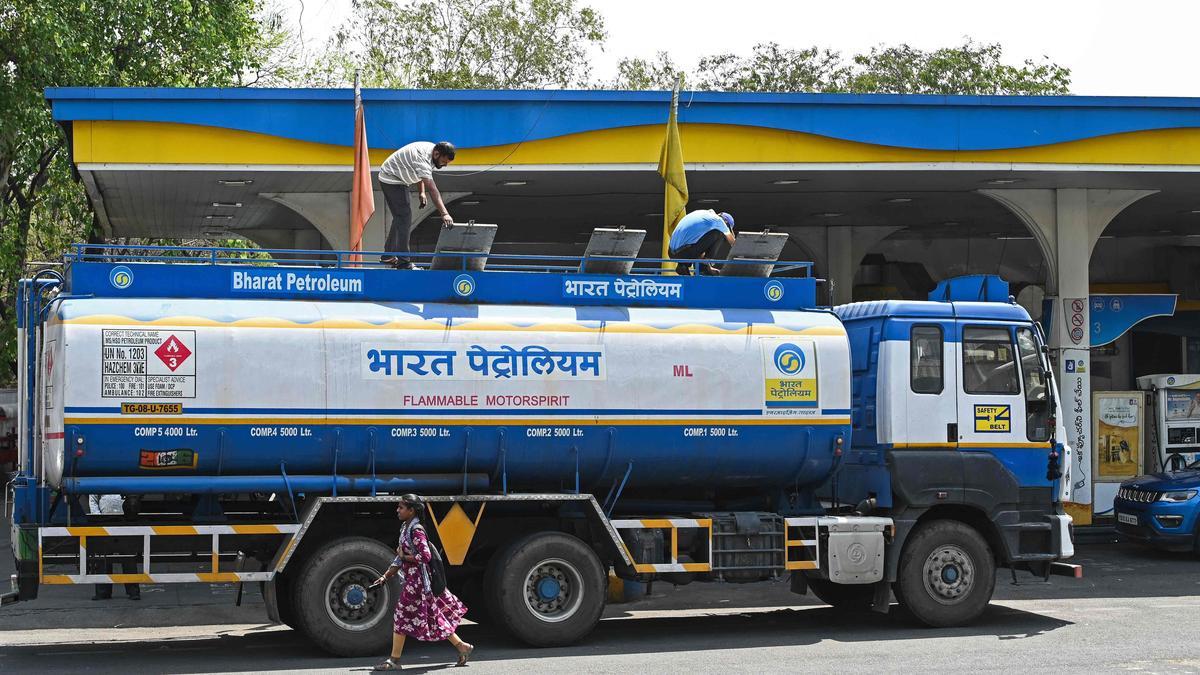
India road logistics is facing a fresh stress cycle. Industry updates published on May 26, 2026 show that truck operators are dealing with a difficult combination of higher diesel costs, weak cargo availability, and delayed return loads. The result is rising pressure on freight economics even before a full pass-through to end users is visible.
Diesel cost pressure and supply-channel shifts are now directly visible in trucking operations and freight turnaround times.What happened
Economic Times and Financial Express reports on May 26, 2026 flagged sharp operational strain in trucking. Across published industry inputs, the stress points are consistent even when the estimates vary by route and operator segment.
- Truck idling is estimated in a 20% to 25% range, depending on the source and market slice.
- Diesel has risen by about Rs 7.5 per litre between May 15 and May 25, 2026.
- IFTRT cited longer return-load waits, with some routes seeing 3 to 5 days versus about 24 hours earlier.
- ET reported freight increases of about 10% to 15% on some key corridors such as West to North India.
Why freight is not fully passing through yet
The typical expectation in a fuel spike is a faster freight-rate revision. But current market structure is delaying that. Financial Express cited industry estimates that fuel can account for around 50% to 60% of transporter operating cost, while cargo availability remains mixed. Smaller operators continue running at thin margins to protect cash flow and debt servicing.
CRISIL also highlighted that excess capacity and fragmented demand can dilute pass-through. Its May 2026 freight note said a Rs 5 per litre diesel increase may need around 2.5% to 2.8% freight revision, while a Rs 10 move may require about 5% to 5.6% revision to preserve viability.
Government position and supply-channel risk
In a PIB release dated May 27, 2026, the Ministry of Petroleum and Natural Gas said national petrol and diesel availability remains adequate, and described local tightness as a channel-arbitrage issue rather than a national supply shortfall. The release also stated that PSU OMCs are absorbing around Rs 550 crore per day across petrol, diesel and domestic LPG, while warning against diversion from industrial channels to retail pumps.
For logistics operators, this matters because route-level pump stress and refuelling delays can still raise operating friction even when aggregate national supply is officially described as sufficient.
What this means for FuelPrice readers
- Transporters: working-capital pressure can rise if credit cycles tighten and return-load delays remain elevated.
- Businesses: freight repricing may come with a lag, then move in steps instead of one clean adjustment.
- Consumers: broader inflation risk remains tied to how quickly diesel-linked logistics costs transmit into goods prices.
- Auto and fuel watchers: near-term signals to track are corridor-level freight revisions, diesel inventory behavior at pumps, and any further retail-price action.