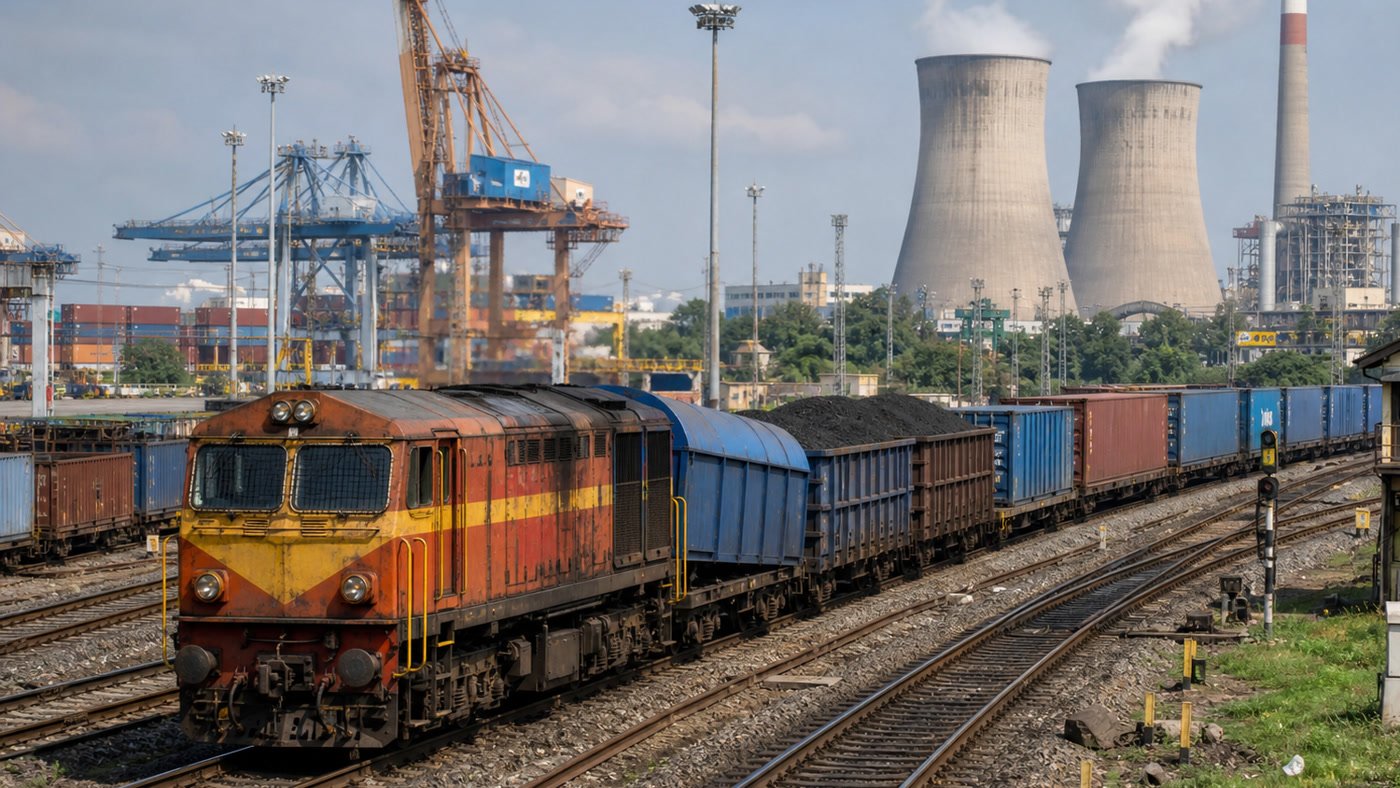
Indian Railways has sent a useful signal for India freight users at a time when transport costs, energy security and global supply chains are all under watch. The national transporter loaded 145 million tonnes of freight in May 2026, a 1.3 per cent increase over May 2025, according to the Ministry of Railways. The number is modest in percentage terms, but the context makes it important: the ministry linked the performance to continued operations despite the geopolitical situation in West Asia and its indirect pressure on logistics and supply chains.
Indian Railways' May 2026 freight performance matters because coal, steel, fertilisers and containers are directly linked to energy supply, industry and transport costs.What happened
In its June 1 update, the Ministry of Railways said freight growth in May was supported by iron ore, steel, fertilisers and Balance Other Goods traffic. The Balance Other Goods category was the standout segment, rising 16 per cent from the year-ago period. Iron ore loading increased 4.8 per cent, fertiliser loading rose 6.2 per cent, and pig iron and finished steel loading grew 3.5 per cent.
Coal, still the largest category in railway freight, recorded nearly 1 per cent growth. That may sound small, but it is important because coal movement remains tied to electricity generation at thermal power plants. The ministry said coal movement was prioritised and monitored closely to support energy security. Indian Railways also intensified monitoring of domestic and EXIM container traffic so cargo flows could continue with fewer disruptions.
Why this matters for fuel and logistics users
Rail freight is not just a railway performance number. It affects the cost and reliability of fuel-linked sectors across India. When railways move coal reliably, power plants face lower supply risk. When fertilisers move on time, agricultural supply chains avoid avoidable stress. When steel, iron ore and containers keep moving, factories, ports, warehouses and truckers get a more predictable cargo pipeline.
For road transporters, the signal is more mixed. Strong railway freight can reduce pressure on long-haul trucking in bulk commodities, especially coal, ore and some container corridors. That can lower diesel exposure for some supply chains because rail is generally more fuel-efficient per tonne-km than road freight. But it can also change where trucks are needed: more first-mile and last-mile movements around sidings, depots, ports and industrial clusters, and fewer end-to-end long-haul bulk runs in some lanes.
The bigger point is resilience. West Asia tensions can affect shipping schedules, insurance costs, crude prices, container routing and importer planning. India cannot control all global disruptions, but it can reduce domestic supply-chain friction by keeping core freight corridors moving. That is why a 145 MT rail freight month matters more than the headline percentage suggests.
Who is affected
- Power sector: Coal rake availability and transit monitoring matter for thermal plants, especially before peak electricity demand periods.
- Industry: Iron ore, steel and finished goods movement supports manufacturing, construction and infrastructure activity.
- Agriculture: Fertiliser loading growth is important for seasonal farm input supply and rural distribution.
- Ports and exporters: EXIM container monitoring helps exporters, importers, customs-linked logistics and inland container depots.
- Road freight operators: Trucks remain essential, but rail growth can shift demand toward feeder movement and multimodal corridors.
The before and after signal
Before this update, the concern was that global uncertainty could slow cargo movement just as India entered a high-demand summer period. Fuel users were already watching crude, diesel and freight costs. Any weakness in coal or container flows would have carried wider consequences for electricity supply, factory dispatches and commodity prices.
After the May data, the picture looks steadier. Railways has not reported a sharp freight jump, but it has shown that core cargo movement stayed positive despite external pressure. That is an operational signal, not a celebration. It says India freight demand remains active and that the national transporter is using monitoring and asset utilisation to keep priority commodities moving.
Passenger movement adds another mobility signal
The same update said Indian Railways carried more than 61 crore passengers in May 2026, compared with about 59 crore in May 2025. Non-suburban traffic grew 7.4 per cent, rising from 28 crore to 30 crore passengers. For the mobility market, this matters because long-distance rail demand can influence road travel, bus demand, fuel use and seasonal congestion patterns.
Railways also highlighted 164 Vande Bharat services and 68 Amrit Bharat services, with new Amrit Bharat services added in May. Those passenger details are not the main freight story, but they show that the network is trying to handle cargo and seasonal passenger demand at the same time. For FuelPrice readers, that combined pressure is worth noting because freight delays, passenger crowding and higher road diversion can all change fuel consumption patterns.
What to watch next
The next test is whether June and July maintain this stability. Coal movement will remain important if electricity demand stays high. Fertiliser movement will matter as agricultural demand picks up around the monsoon period. Container movement needs close attention if West Asia disruptions continue to affect shipping schedules and freight insurance. Railways' ability to hold wagon turnaround, port connectivity and domestic container flow will shape how much pressure moves back to diesel-heavy road freight.
Readers should also watch whether rail freight gains translate into lower logistics intensity for bulk cargo users. A month of 1.3 per cent growth is not a structural shift by itself. But if higher commodity movement continues alongside better container monitoring, rail can take a larger role in reducing avoidable long-haul diesel dependence for selected cargo categories.
Final takeaway
Indian Railways' 145 MT freight loading in May 2026 is a practical supply-chain story. It shows that coal, steel, iron ore, fertilisers and containers continued to move even as global logistics faced West Asia-related pressure. For fuel users and transport planners, the key takeaway is simple: stable rail freight can reduce domestic supply-chain stress, support energy security and limit some diesel-linked logistics pressure, but the trend needs to hold for several months before it becomes a stronger cost signal.
Sources: PIB Ministry of Railways, The Economic Times, DD India, Upstox, Daily Shipping Times.