JSW Motors and the Automotive Research Association of India (ARAI) signed a technical MoU on 23 Nov 2026 covering new-energy vehicle engineering, battery validation, advanced driver assistance systems (ADAS), functional safety and homologation. The development gives JSW Motors an Indian testing and certification partner ahead of its first SUV reveal scheduled for 3 Dec 2026, but it does not announce the vehicle’s price, range or completed certification results.
For Indian buyers, the useful signal is the work being planned behind the product. The agreement points to testing for local operating conditions and regulatory readiness; it is not itself a launch announcement or proof that any particular feature will be standard on the SUV.
Key takeaways
- JSW Motors and ARAI signed the MoU in Pune on 23 Nov 2026.
- The scope includes vehicle testing, ADAS, battery systems, functional safety, cybersecurity and homologation.
- JSW Motors is preparing to unveil its first SUV and launch the brand on 3 Dec 2026.
- The upcoming vehicle’s price, battery capacity, range, charging time and final equipment list remain unconfirmed in the announcement.
- The agreement may improve the development and compliance process, but buyers will still need the final specification sheet, warranty and service details.
What JSW Motors and ARAI confirmed
JSW Motors said it had signed the Memorandum of Understanding with ARAI for a strategic technical collaboration to design, validate and localise new-energy vehicles for India. Ranjan Nayak, CEO of JSW Motors, and Dr Reji Mathai, Director of ARAI, signed the agreement at ARAI’s headquarters in Kothrud, Pune, on 23 Nov 2026, according to reports by Business Standard, India Today and Autocar Professional.
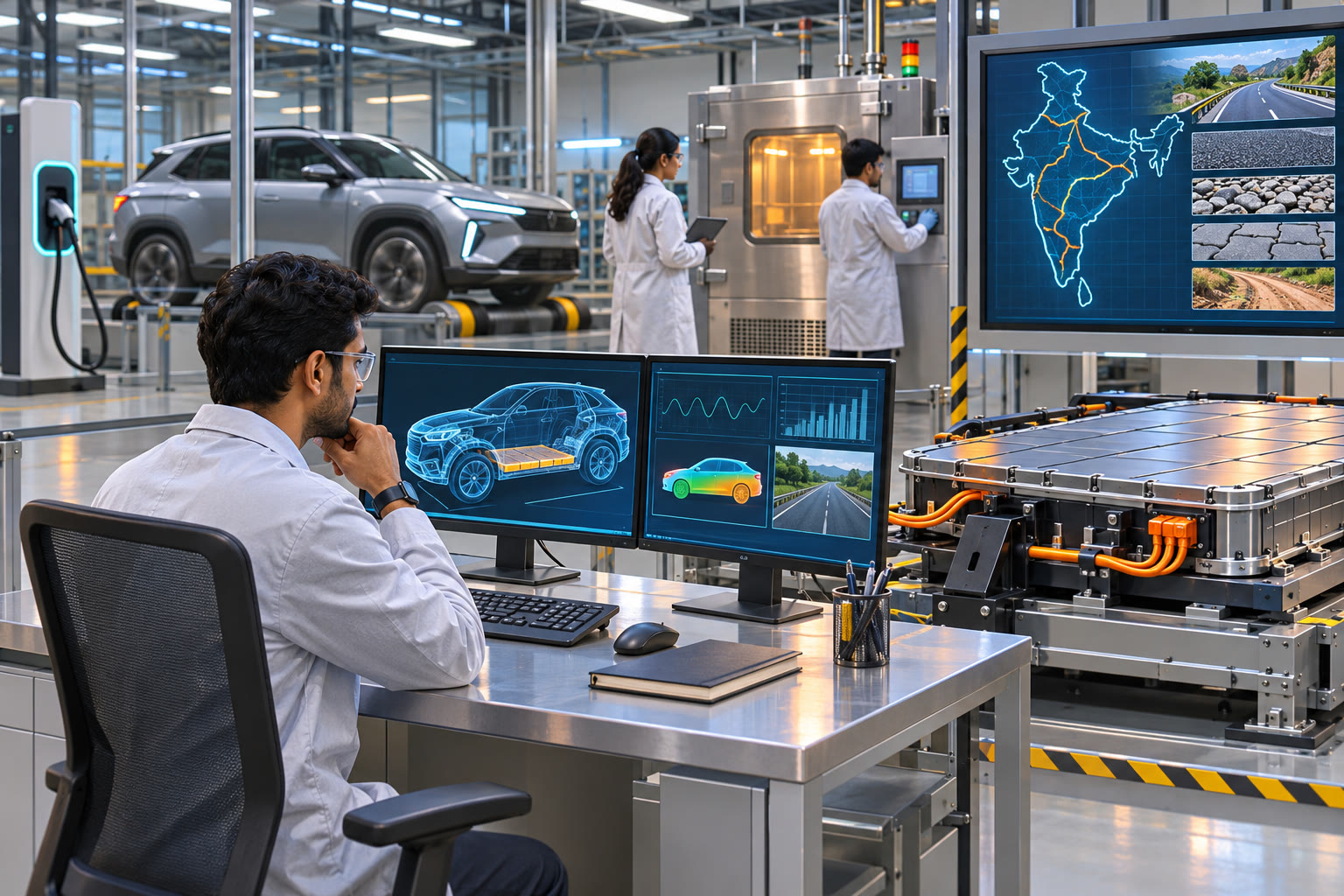
The work is intended to establish technical baselines, test vehicle and system performance, and support development for Indian operating conditions. It covers ADAS development and validation, battery systems engineering, functional safety, automotive cybersecurity, homologation and regulatory certification. The organisations also plan to work on research, technology development, knowledge exchange and engineering skills.
| Confirmed now | Still to be disclosed |
|---|---|
| MoU signed on 23 Nov 2026 in Pune | Final price and variant structure |
| Engineering, testing and regulatory collaboration | Battery capacity, range and charging time |
| First SUV reveal planned for 3 Dec 2026 | Safety rating, ADAS equipment and warranty |
| Manufacturing planned at AURIC, Chhatrapati Sambhajinagar | Retail deliveries and service-network details |
Why the tie-up matters to buyers
“New-energy vehicle” is a broad description. It can cover more than one type of electrified powertrain, so the MoU alone does not establish whether the first SUV will be battery-electric, plug-in hybrid or another configuration. Buyers should wait for the company’s own powertrain and specification disclosures before comparing it with a petrol, hybrid or electric vehicle.
Local testing can address Indian use cases
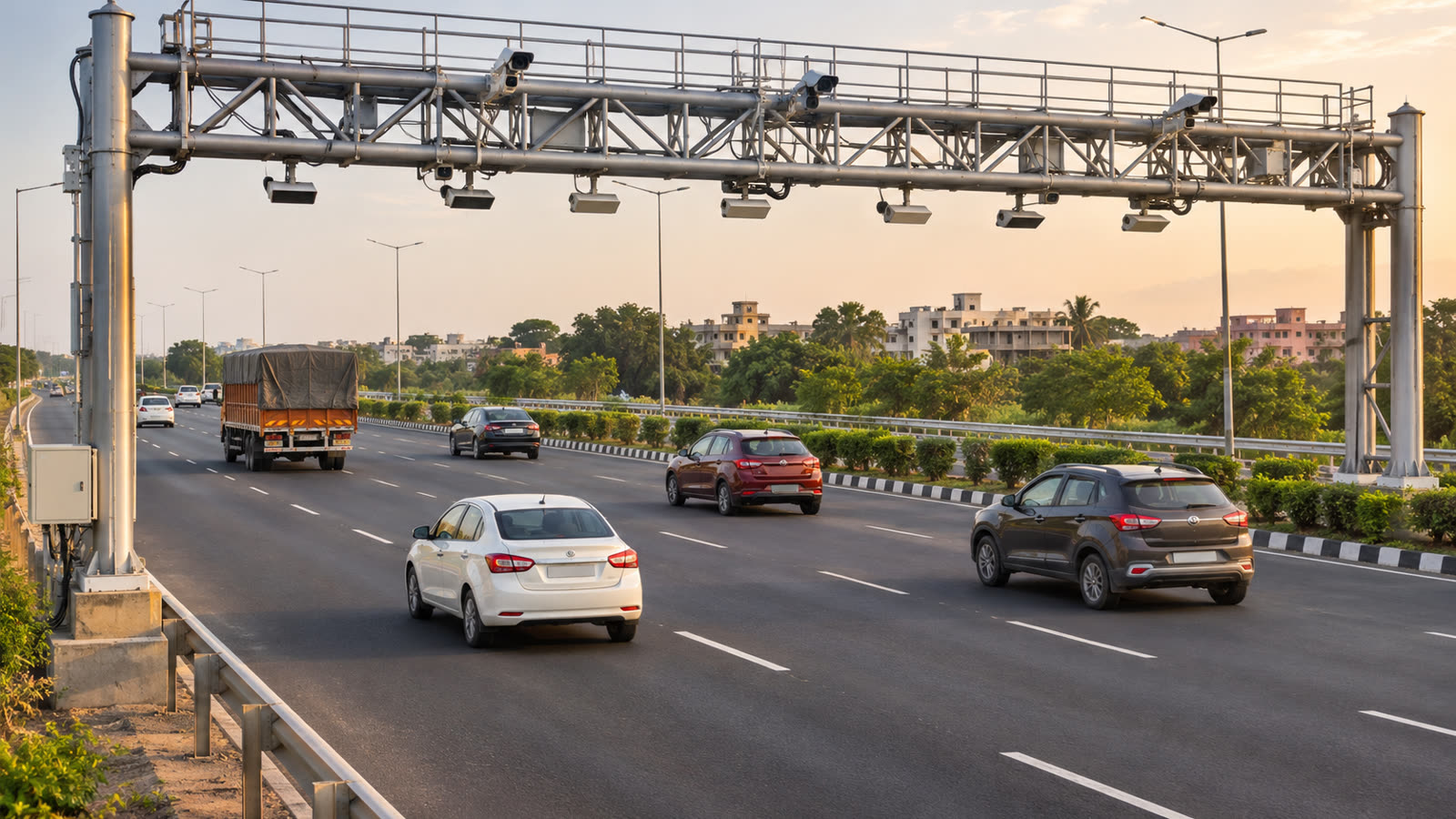
Indian vehicles face high temperatures, mixed traffic, uneven road surfaces, monsoon water and inconsistent lane markings. A testing programme that includes vehicle performance, ADAS and battery systems can help engineers assess how those systems behave in conditions that are different from a controlled overseas test cycle. That is useful context, but it is not a guarantee of reliability or a substitute for published test results.
ADAS validation is particularly relevant because cameras, radar and driver warnings depend on road markings, traffic behaviour and calibration. The announcement does not state which assistance features will reach the production SUV, whether they will be available on every variant, or what driver-monitoring and safety systems will be fitted. Those details should be checked after the reveal.
Battery work is not the same as a range promise
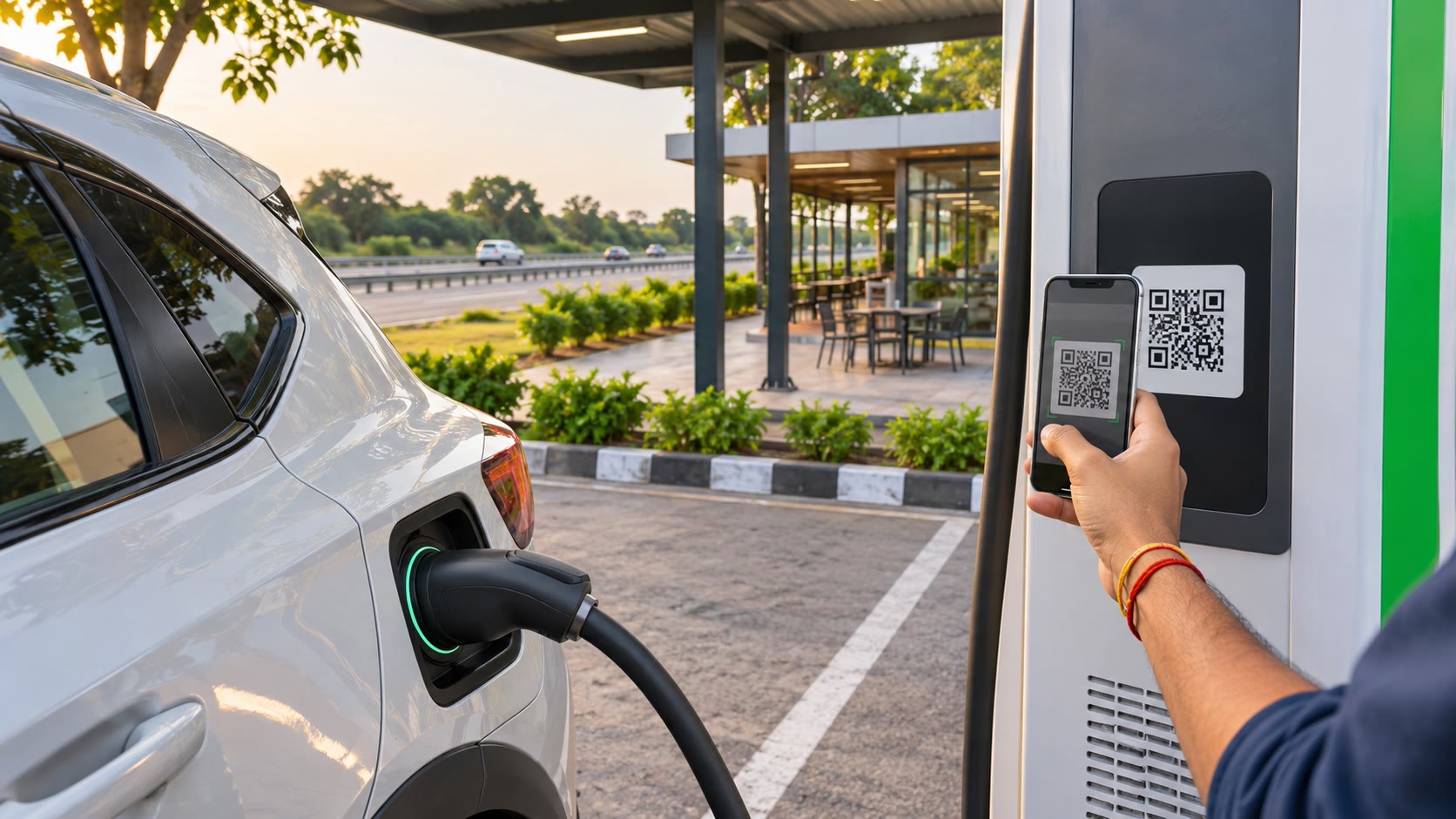
Battery systems engineering and validation can cover thermal management, electrical safety, durability and vehicle integration. It does not by itself confirm a usable range figure, fast-charging capability or battery warranty. EV buyers can use FuelPrice’s EV charging directory to understand the charging network in their state, but the suitability of any route will depend on the vehicle’s final connector, charging limits and real-world efficiency.
What this means for running cost and road trips
No responsible running-cost estimate is possible until JSW Motors publishes the powertrain, battery or fuel-efficiency details. Once those figures are available, a buyer can compare electricity, petrol and maintenance assumptions rather than treating the “new-energy” label as an automatic saving. FuelPrice’s fuel cost calculator can help with the fuel part of that comparison; electricity charging fees, home charging losses and subscription costs may need to be added separately.
For a long-distance buyer, range and charging time matter as much as the headline powertrain. The road-trip planner can help frame a route, but the final decision should wait for verified range, charging compatibility, roadside support and service coverage. A vehicle that is well suited to city use may need a different plan for inter-city travel.
What to watch on 3 Dec
JSW Motors’ first SUV reveal should answer the questions the MoU leaves open. The most useful points for buyers and fleet operators will be:
- Powertrain: whether the vehicle is fully electric, plug-in hybrid or another new-energy format, and how the systems work together.
- Battery and charging: usable battery capacity, claimed range, charging standards, charging time and the warranty period.
- Safety and assistance: the production ADAS list, passive-safety equipment, testing disclosures and any independent safety assessment available later.
- Ownership support: price, delivery timing, service locations, roadside assistance, parts availability and the treatment of battery or high-voltage faults.
- Indian calibration: the company’s explanation of how the vehicle has been adapted for heat, traffic, road surfaces and fuel or charging conditions in India.
What the MoU does not confirm
An MoU is a framework for cooperation. It does not mean that ARAI has certified the final SUV, that every proposed technology will appear in the production vehicle, or that a safety rating has already been awarded. Homologation and certification outcomes will depend on the specific vehicle, its variants and the applicable approval process.
The announcement is nevertheless a material step before JSW Motors’ market entry. FuelPrice previously reported the expected early-December debut and the lack of confirmed price and specifications in its earlier JSW debut preview. The new MoU adds detail about the engineering and regulatory work behind that entry; it does not remove the need to assess the product after its specifications and ownership terms are published.
Reader takeaway
For now, the JSW Motors–ARAI partnership is best read as a development and validation milestone, not a finished product claim. It is encouraging that battery systems, ADAS, safety, cybersecurity and homologation are named in the scope, but the buyer-relevant test will come when JSW Motors publishes verifiable performance, price, charging, safety, warranty and service information for the SUV.
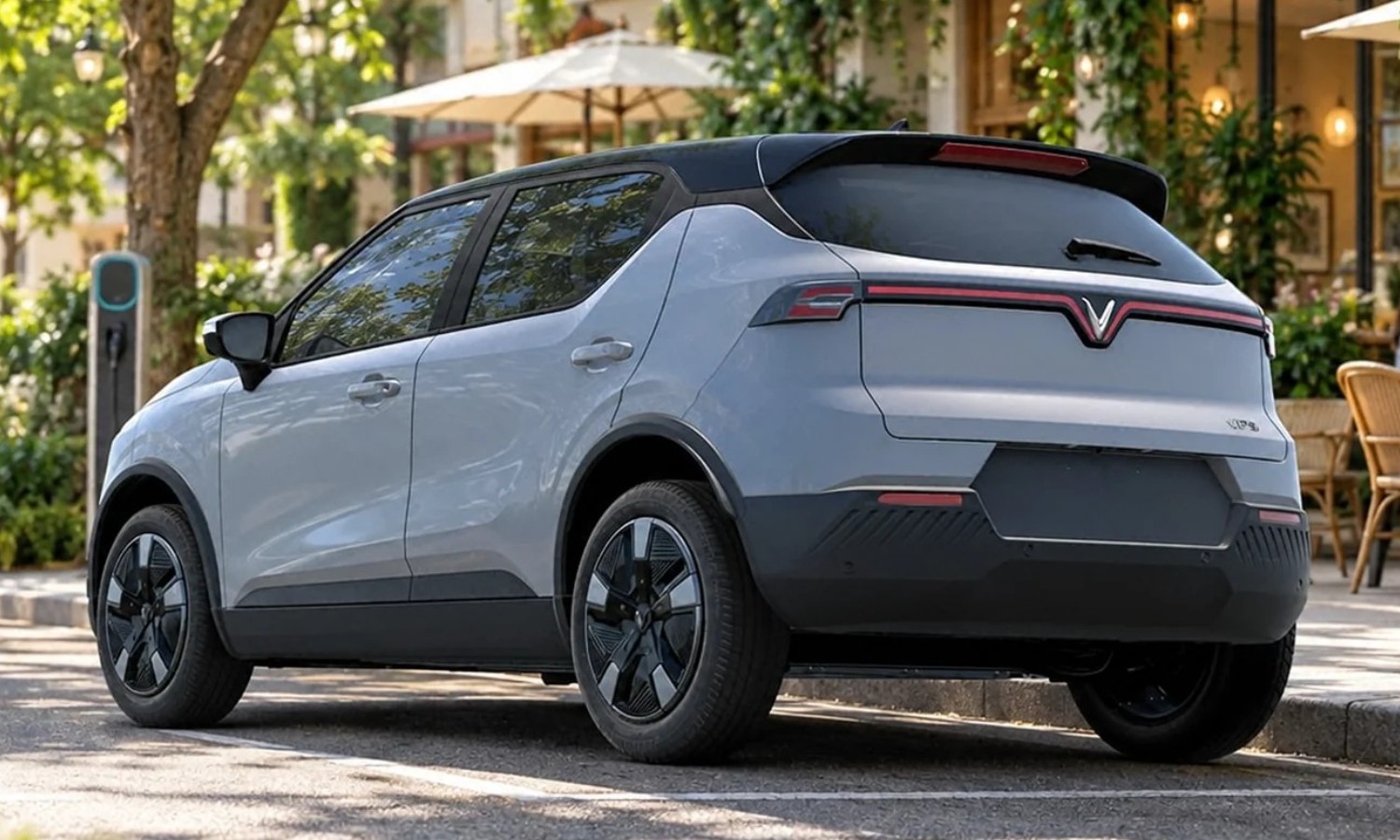
Illustrative graphic generated for FuelPrice; it is not a photograph of JSW Motors’ upcoming SUV.
Sources
- Business Standard — JSW Motors signs MoU with ARAI for vehicle design, validation, localisation, 23 Nov 2026
- India Today — JSW Motors partners with ARAI to develop and validate new energy vehicles for India, 23 Nov 2026
- Autocar Professional — JSW Motors, ARAI sign MoU for new-energy vehicle engineering, 23 Nov 2026
- JSW Motors — official website and company background, accessed 23 Nov 2026
- ARAI — official news and announcements page, accessed 23 Nov 2026