NHAI’s AI-powered dashcam monitoring is now reported to cover nearly 50,000 km of National Highway network, with weekly checks for 40 categories of road defects, according to reports dated 23 Nov 2026. For drivers, the practical effect is a more traceable repair process for potholes, faded lane markings and faulty lights—not a new toll, speed limit or automatic fine for ordinary road users.
The reports say patrol-vehicle footage is geo-tagged and stored with visual evidence, then shared with the contractor responsible for the stretch. NHAI is also expected to move from contract-based manual penalty calculations to an automated process in the next couple of months.
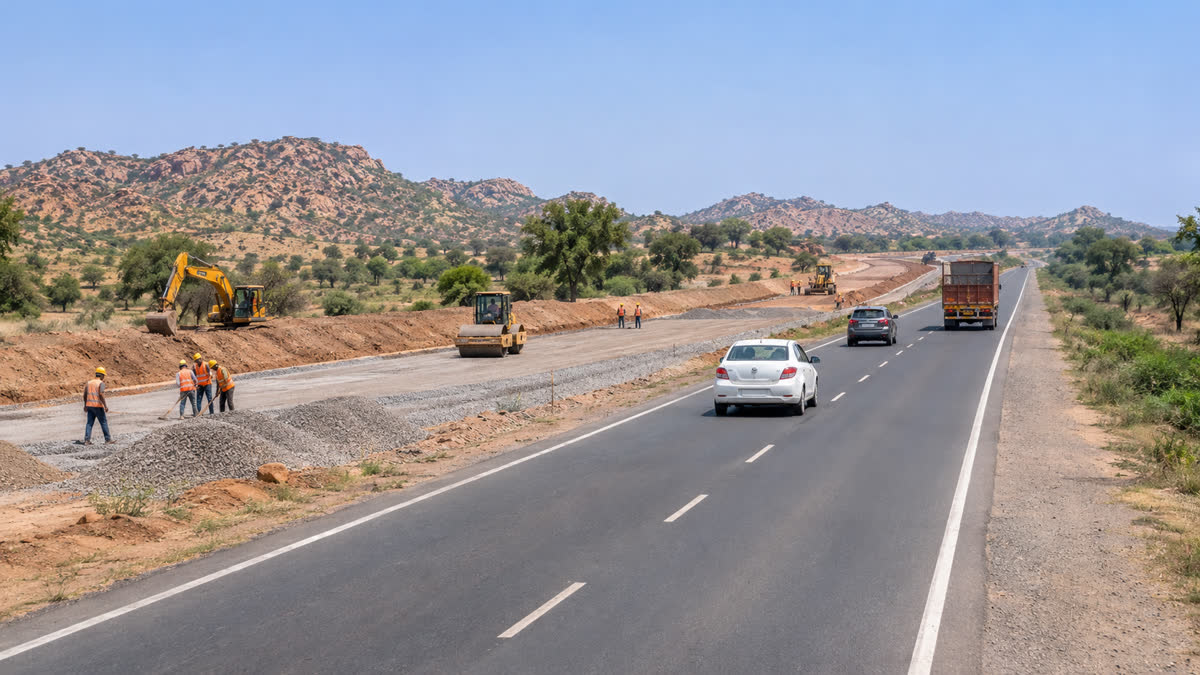
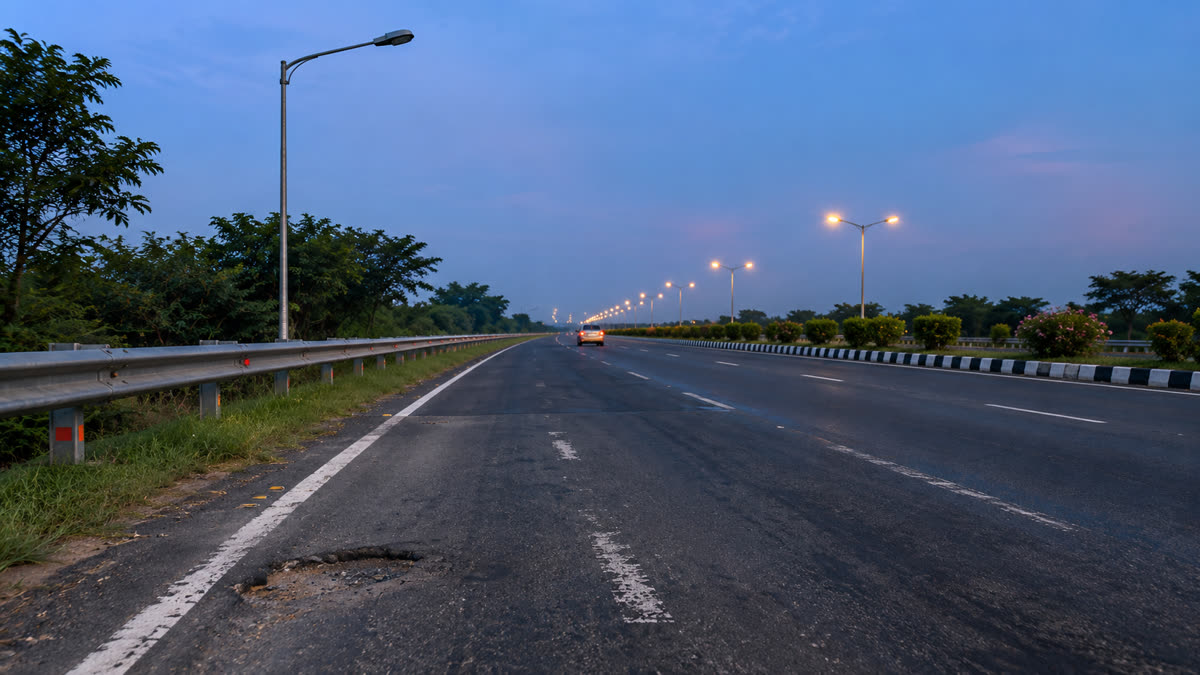
Illustration: representative highway conditions showing road defects; not a photograph of a specific NHAI deployment.
Key takeaways
- Current reporting says NHAI’s weekly dashcam checks cover nearly 50,000 km of its operational and maintenance network and identify 40 defect types.
- Data cited by The Times of India and Mirror Now recorded 92,088 defects in the first two months; around 72% were rectified and around 17% remained overdue.
- Reported repair targets include two days for potholes, one day for failed lights and work-zone safety issues, and seven days for unauthorised openings.
- Automated penalty calculation is expected in the coming months. The reports do not announce a toll-rate change or a new charge for drivers.
What NHAI has changed
NHAI’s official 20 March 2026 press release had described an AI-powered Dashcam Analytics Service for around 40,000 km of national highways. It said route-patrol vehicles would conduct weekly surveys and use AI and machine learning to identify more than 30 types of defects, including potholes, rutting, severe cracking, faded markings, damaged crash barriers and non-functional streetlights.
The current 23 Nov reports describe a later operating position: nearly 50,000 km and 40 defect categories. That difference matters. The 50,000-km figure is being reported from NHAI officials and data accessed by the media; it is not presented here as a new Gazette notification. The official release confirms the underlying monitoring programme, while the current reports supply the latest scale and performance figures.
What the first defect data shows
The Times of India reported on 23 Nov 2026 that 92,088 defects had been detected through dashcam recordings since the exercise began two months earlier. Mirror Now reported the same current snapshot and said about 23% of the flagged issues involved faded road markings and about 15% involved potholes. The reports put the rectification rate at roughly 72%, while about 17% of defects were overdue.
Those figures show why the system is relevant to ordinary highway users: a road problem can be tied to a location, a date and a responsible maintenance contract instead of relying only on a complaint or an occasional inspection. They do not, however, prove that every pothole will be repaired immediately or that crashes and vehicle damage will fall by a measured amount.
What it means for drivers and fleet operators
For car, two-wheeler and commercial-vehicle users, better defect detection should improve visibility of recurring problems such as potholes, worn lane markings, damaged barriers and lighting failures. The most useful change is the evidence trail. The system records the precise location and images, contractors upload post-repair evidence, and field officers can verify whether the defect has actually been closed.
Repair deadlines are operational targets, not a promise that a road will be clear when a driver reaches it. The current reports say contractors get two days to fill potholes, one day to address failed lights and work-zone safety issues, and seven days to close unauthorised openings. A repair may still require traffic control, curing time or a temporary lane restriction.
NHAI’s earlier NHAI One process already used geo-tagged maintenance records and contractor photographs, according to the authority’s annual report. The dashcam layer adds more frequent, standardised detection across operating and maintenance stretches. For transporters, that can make route-condition checks more useful when planning departure times, vehicle speeds and contingency stops, although it does not change toll charges or permit conditions.
What drivers can check now
- Allow for maintenance activity when a route has a known road defect or repair zone. Use the road-trip planner to compare route timing before a long journey.
- Keep toll and route costs separate from the maintenance announcement. The toll-charge calculator can help estimate the fee for a route, but NHAI’s dashcam programme does not itself change a toll rate.
- If a diversion or slower section changes fuel use, compare the likely trip spend with the fuel cost calculator.
- When reporting a road hazard, note the highway number, direction of travel, nearest landmark and time. Do not stop in a live lane to take a photograph.
What to watch next
The next test is whether the overdue share falls as automated penalty calculation comes into use. The reported plan is to calculate penalties automatically under the existing contract conditions in the coming months. TOI also reported that NHAI may later let the public view defect records and submit feedback.
For now, the development is best understood as a maintenance-accountability upgrade. It may help highway users get safer and more predictable road conditions over time, but it is not a blanket guarantee for every National Highway and does not introduce a new toll or driving penalty.
Sources
- National Highways Authority of India — NHAI to Introduce AI Powered Dashcam Monitoring System for National Highway Operations & Management — 20 Mar 2026.
- The Times of India — NHAI puts 50,000 km of highways under dashcam watch, to automate penalties for contractors — 23 Nov 2026.
- Mirror Now — NHAI Deploys Dashcam Surveillance Across 50,000km of National Highways to Enforce Maintenance — 23 Nov 2026.
- National Highways Authority of India — Annual Report 2023–24 — 2025.