NHAI has invited bids to widen the 62.235-km Manoharpur–Dausa section of NH-148 in Rajasthan from two lanes to four lanes with paved shoulders. The ₹800.66-crore project is still at the tender stage, so smoother travel and any future time saving are proposed outcomes, not benefits available to motorists today.
Key takeaways
- The official tender covers design chainage 0+000 to 62+235 on the Manoharpur–Dausa section of NH-148.
- The proposed scope is an upgrade from two lanes to four lanes with paved shoulders under the Hybrid Annuity Mode.
- The estimated value is ₹800.66 crore excluding GST, and bids are due by 11:00 AM on 6 Jan 2027.
- Technical bids are scheduled to open at 11:30 AM on 7 Jan 2027; no construction start date or travel-time saving has been confirmed.
- The bid does not announce a new toll rate, FASTag rule, speed limit or route closure for drivers today.
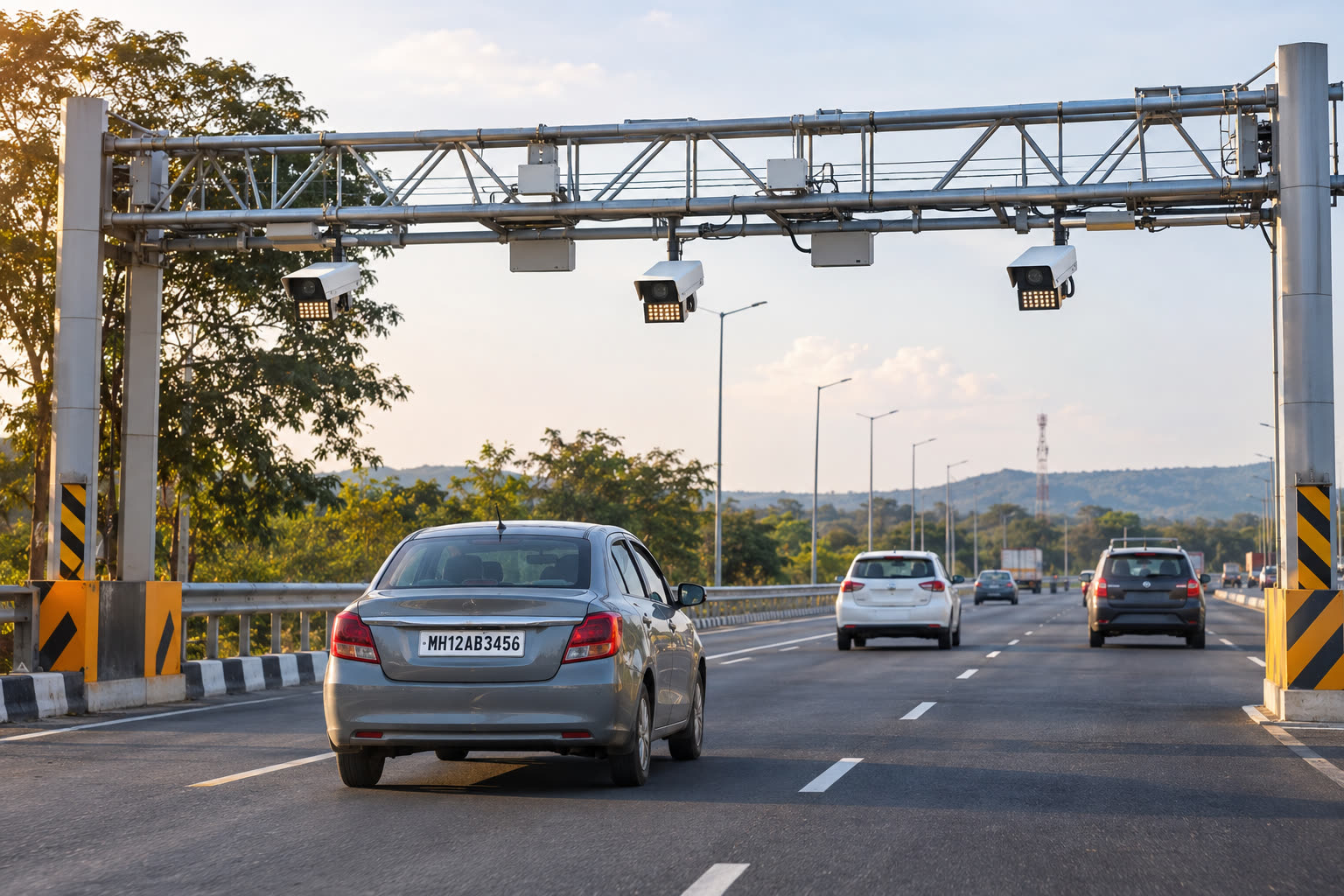
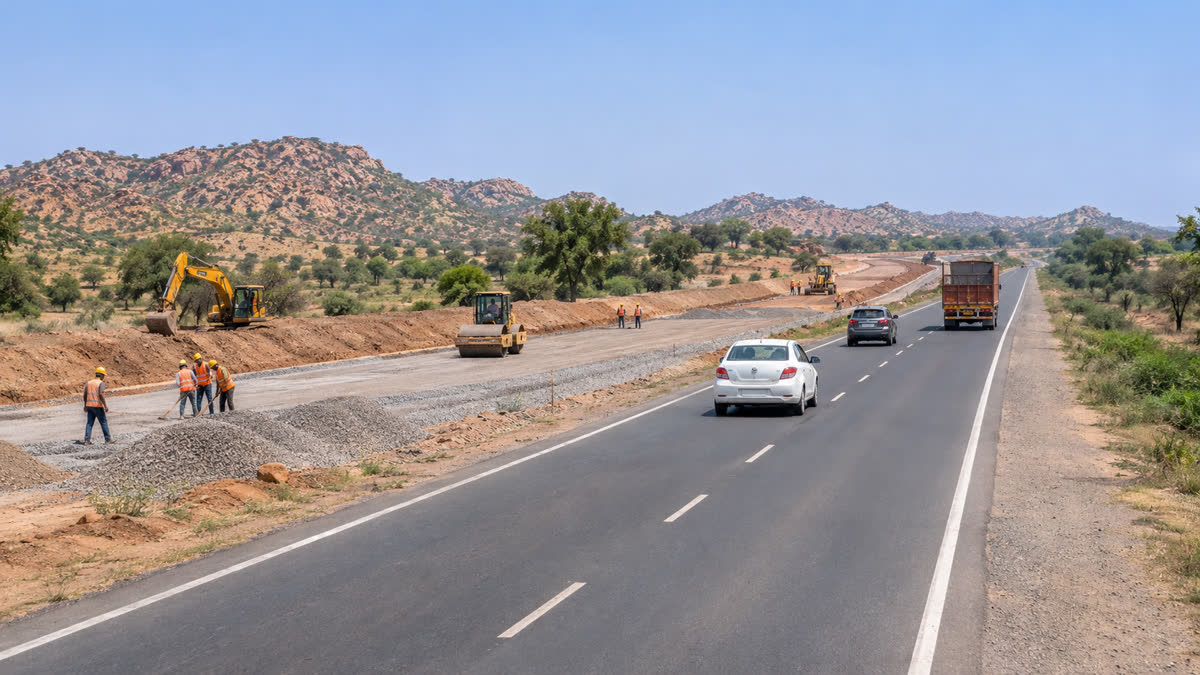
Image note: AI-generated representative visual of a highway-widening project; it is not a photograph of NH-148.
What NHAI has put out for bids
NHAI published the tender on the government e-procurement portal on 19 Nov 2026 under tender ID 2026_NHAI_298434_1. The work description calls for widening and upgrading the Manoharpur–Dausa section from two lanes to four lanes with paved shoulders, under a Hybrid Annuity Mode contract. In practical terms, this is a procurement step to select a private developer; it is not the same as a work order or an open four-lane road.
The official listing sets the bid-submission deadline at 11:00 AM on 6 Jan 2027 and the bid-opening time at 11:30 AM on 7 Jan 2027. Those dates tell drivers and fleet operators what to watch next, but they do not establish when earthwork will begin or when traffic will move onto the expanded carriageway.
| Item | Confirmed detail | What it means |
|---|---|---|
| Corridor | Manoharpur–Dausa, NH-148 | Rajasthan highway corridor covered by the tender |
| Design length | 62.235 km | Official chainage from 0+000 to 62+235 |
| Upgrade | Two lanes to four lanes with paved shoulders | Planned capacity and roadside-safety improvement |
| Estimated value | ₹800.66 crore, excluding GST | Tender estimate, not a confirmed final contract price |
| Bid timeline | 6 Jan 2027 deadline; 7 Jan 2027 opening | Selection stage still lies ahead |
The figures above use the NHAI listing and the Financial Express report published on 22 Nov 2026. The official tender is the controlling reference for the design chainage and bid dates.
Why the widening matters to road users
The Manoharpur–Dausa corridor is used by local motorists, longer-distance travellers and commercial vehicles moving through Rajasthan. On a two-lane road, traffic has fewer opportunities to separate slow and fast-moving vehicles, and a paved shoulder can provide additional recovery space when it is delivered and maintained as part of the finished design. Four-laning could therefore improve capacity and make the corridor more resilient as traffic grows.
That is the likely infrastructure benefit, not a promise of a specific number of minutes saved. The sources reviewed do not provide a traffic forecast or a guaranteed travel-time reduction. They also do not say that the full four-lane section is already under construction. Drivers should continue to plan for the existing road condition until NHAI awards the work, confirms the construction programme and issues any traffic-management advisories.
A note on the project length
The Financial Express report describes the project as roughly 62 km, but its copy gives two different decimal lengths: 62.325 km in the main report and 62.345 km in its key-details section. NHAI’s tender listing gives the more precise design chainage of 0+000 to 62+235, equivalent to 62.235 km. This article uses the official figure rather than silently choosing between the two media figures.
The difference does not change the broad scope: the bid is for the Manoharpur–Dausa stretch, not for a new expressway or an immediate change to the existing route. It does matter when a driver, fleet planner or project watcher compares tender documents, because the official chainage is the reference that should be used.
What changes now—and what does not
For motorists, nothing in the tender changes today’s toll collection, FASTag balance rules, vehicle-class charges, speed limits or access conditions. NHAI has not announced a new toll notification tied to this bid. Any toll adjustment would need its own applicable fee notification, while any work-zone restrictions would normally be communicated through construction and traffic advisories.
There may be temporary diversions or slower sections once construction begins, but a diversion calendar is not confirmed in the tender information reviewed. The useful near-term action is therefore to check the route again before travelling rather than assume that the proposed four-lane road is available.
How to plan a current trip on the corridor
Until the project moves beyond bidding, drivers should budget for the existing route. Fuel use will depend on the actual distance, vehicle efficiency, traffic and the fuel rate on the travel date, so the fuel cost calculator can help estimate the trip using current inputs. Toll costs are a separate part of the budget and can be checked through the toll-charge calculator.
For a longer Rajasthan journey, the road-trip planner can help organise stops and route details, but it should be paired with the latest NHAI or local traffic advisory once construction activity is announced. Fleet operators may also want to compare delivery windows rather than assume that the eventual extra lanes will immediately remove congestion.
What to watch next
The next confirmed milestones are the bid deadline on 6 Jan 2027 and the scheduled opening on 7 Jan 2027. After that, the reader-relevant updates will be the selected developer, the final agreement, the construction start, any approved work-zone plan and the date on which sections are opened to traffic.
Until those steps happen, the project should be described as proposed and tendered, not completed. For anyone travelling between Manoharpur and Dausa now, the practical takeaway is simple: plan for the current two-lane corridor, keep fuel and toll estimates date-specific, and recheck the route when NHAI publishes construction or diversion information.