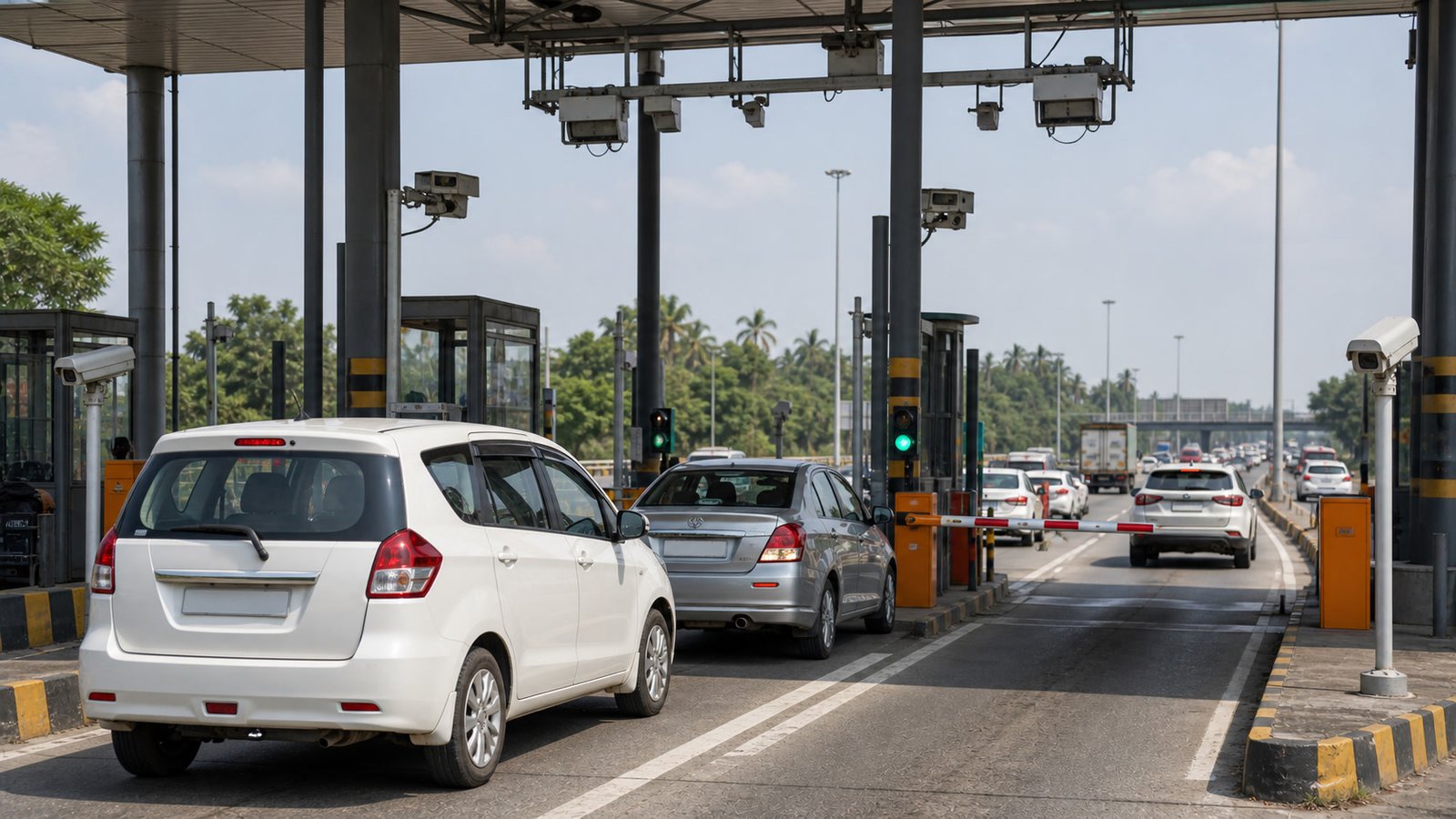
For frequent private-vehicle users on National Highways, one of the most practical toll-policy changes of 2026 has already kicked in: the FASTag Annual Pass fee has been revised from Rs 3,000 to Rs 3,075 for FY 2026–27. The revised rate took effect from 1 April 2026, as announced by NHAI and communicated via the Ministry of Road Transport and Highways.
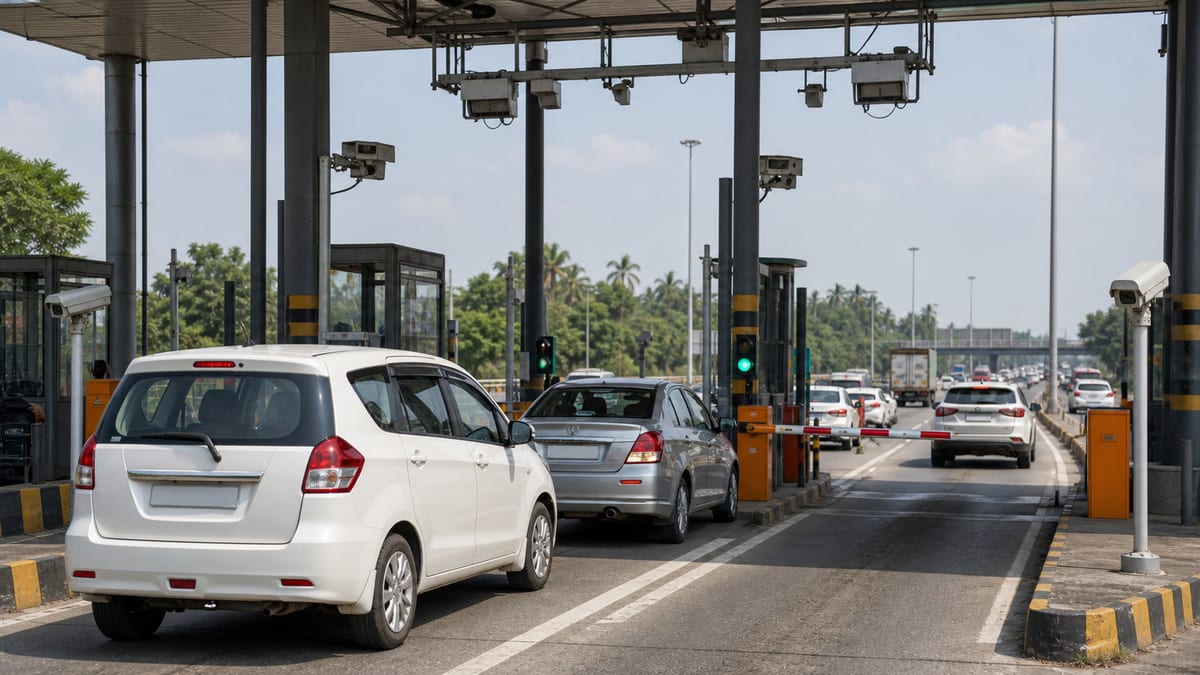 NHAI’s annual FASTag pass fee revision for FY 2026–27 is small in rupee terms but meaningful for recurring highway users.
What Exactly Changed
The new annual pass fee is Rs 3,075, replacing the previous Rs 3,000. NHAI says the revision is in line with National Highways Fee Rules and applies to eligible non-commercial vehicles with a valid FASTag. The pass remains valid for one year or 200 toll crossings, whichever comes first, across around 1,150 fee plazas on National Highways and National Expressways.
In practical terms, this is a Rs 75 annual increase (about 2.5%). For occasional users, the change may look negligible. For frequent intercity commuters and family-owned multi-trip private vehicles, the annual pass remains a planning tool for predictable toll expenses.
Before vs After: Why This Matters Despite a Small Hike
Before: Users paid Rs 3,000 for the annual pass, with the same core benefit structure of one-year or 200 crossings.
After: Users pay Rs 3,075 under FY 2026–27. The increase is modest, but it reinforces an important policy principle: annual passes are not fixed forever and can move with fee-rule frameworks and periodic revisions.
For users, the key point is not the size of this year’s hike alone. The key point is that toll budgeting for regular highway travel should be treated as a recurring expense subject to annual resets, similar to insurance renewals or service-cost revisions.
| FASTag Annual Pass Parameter | FY 2025–26 | FY 2026–27 |
|---|---|---|
| Annual pass fee | Rs 3,000 | Rs 3,075 |
| Increase | — | Rs 75 (~2.5%) |
| Eligibility | Non-commercial vehicles with valid FASTag | Unchanged |
| Validity | 1 year or 200 crossings | Unchanged |
Who Is Affected Most
- Daily and weekly corridor commuters: those repeatedly crossing NH toll plazas for work, business or mixed urban-periurban travel.
- Household intercity travellers: families using personal cars for recurring long-distance travel.
- Frequent private-vehicle users near high-density fee plazas: where per-trip toll exposure is structurally high.
- Digital-payment dependent users: those using Rajmargyatra App and NHAI digital channels for activation and management.
Commercial trucks, buses and freight fleets are not the target segment of this annual pass product. So the direct freight-cost impact is limited. However, toll-system behaviour at scale can still influence broader corridor efficiency patterns that affect mixed-traffic corridors.
Fuel and Mobility Angle: Why FuelPrice Readers Should Care
At first look, this is a toll-admin revision, not a fuel policy update. But for regular highway users, toll outgo and fuel outgo are inseparable in trip economics. When toll budgeting is predictable, users can plan route choices, travel frequency and operating costs more accurately. That matters for personal mobility decisions and for semi-formal business travel that relies on privately owned cars and vans.
The annual pass model also supports smoother lane throughput by reducing payment friction for eligible users, particularly where FASTag penetration is high. Over time, reduced stop-go bottlenecks can help lower idling at toll points, which is relevant for fuel efficiency at the margin.
Adoption Signal and Policy Context
NHAI has reported strong adoption of the annual pass format, with usage running into tens of lakhs since launch in August 2025. That adoption signal matters because it indicates user willingness to shift from ad hoc recharge behaviour to planned, one-time annual toll budgeting. The FY 2026–27 revision therefore should be read less as a standalone price change and more as part of a maturing toll-product framework under digital fee collection rules.
For policymakers and operators, high adoption creates two responsibilities: keep onboarding simple, and ensure clear communication on eligibility, validity triggers, and renewal terms so that users do not misinterpret “annual” as unlimited usage without crossing limits.
What to Watch Next
- Whether annual pass adoption continues growing in FY 2026–27 after the revised pricing.
- User-experience consistency across toll plazas during high-traffic periods.
- Potential changes in renewal/activation turnaround times and grievance resolution.
- Future fee revisions and whether they remain incremental or become sharper.
FuelPrice Takeaway
The FASTag Annual Pass revision to Rs 3,075 is a small-ticket but high-frequency mobility update. It affects the cost-planning behaviour of recurring highway users, preserves the one-year/200-crossing structure, and reinforces that toll-product economics are now part of yearly transport budgeting. For users who depend on National Highway corridors regularly, the smartest move is to evaluate annual pass utility against actual trip volume rather than treating the fee change in isolation.
Sources: