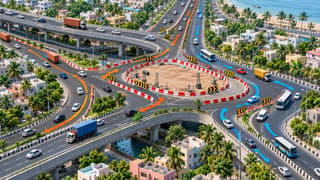
Petrol and jet fuel sales increased by around 8.5% in October due to higher travel during the festive season. Diesel sales remained stagnant, affected by factors such as high rainfall and a shift towards electricity by farmers and railways. LPG sales rose by 7.5%.
Petrol and jet fuel sales jumped around 8.5% year-on-year in October on increased travel during the festive season, while diesel sales—mainly used in commercial long-haul transport—stagnated.
Sales of liquefied petroleum gas (LPG), primarily used for cooking in India, rose by 7.5%, according to the oil ministry data . However, diesel consumption has slowed this year due to a combination of factors, including high rainfall, a decline in vehicle sales, and a shift toward electricity use by farmers and railways.
Diesel represents 40% of all refined product volumes consumed in the country, and its declining usage is impacting national oil demand.
During the festive season, there is typically a surge in leisure travel, leading to increased demand for petrol and aviation fuel.
Nominations for ET MSME Awards are now open.
The last day to apply is November 30, 2024.
Click here to submit your entry for any one or more of the 22 categories and stand a chance to win a prestigious award.
The Cabinet has approved a Rs 7,145.14 crore, 117.7-km access-controlled greenfield highway between Kanpur and Kabrai on NH-34 in Uttar Pradesh. The BOT toll project is designed to cut travel time from 3.5 hours to 1.5 hours, strengthen links to the Kabrai mining belt and Bundelkhand corridor, and lower logistics friction for freight, construction material and agricultural movement.
NHAI has launched Multi-Lane Free Flow tolling at Manoharpura Toll Plaza on the Delhi-Jaipur section of NH-48 in Rajasthan. The barrier-free FASTag and ANPR system matters because it cuts toll-stop idling on a busy highway corridor, but users now need proper FASTag balance and must clear any e-notice within 72 hours to avoid double charges.
India has reset windfall-linked export duties from July 1, 2026 by raising the levy on petrol exports to Rs 4 per litre while cutting diesel and aviation turbine fuel export duties to Rs 8.50 and Rs 7.50 per litre respectively. The move matters because it changes refining economics, export incentives and the downstream pressure points that can eventually shape domestic fuel availability, airline costs and broader transport pricing.
State-run oil companies cut the 19-kg commercial LPG cylinder price by Rs 183.50 from July 1, 2026 and reduced aviation turbine fuel by Rs 5 per litre to about Rs 110 in Delhi. The move offers relief to restaurants, hotels and airlines, but household LPG, petrol and diesel users are still waiting.