Reliance Buys Iranian Crude After U.S. Waiver, India Steps Back Into the Market

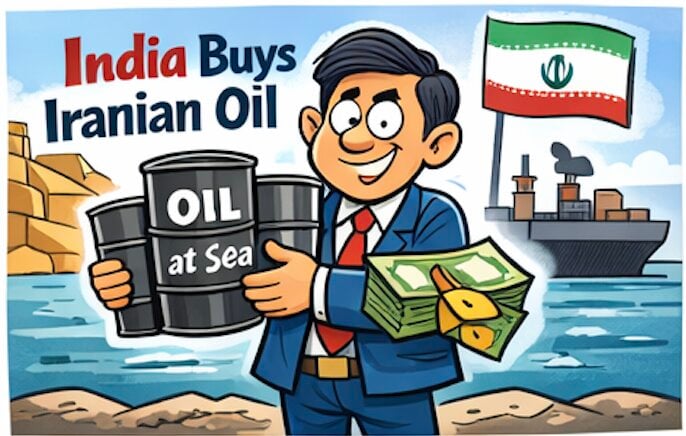
Reliance has bought 5 million barrels of Iranian oil after Washington's temporary waiver, marking India's first such purchase since 2019.

Reliance Buys Iranian Crude After U.S. Waiver, India Steps Back Into the Market

Reliance Industries has bought 5 million barrels of Iranian crude after the U.S. temporarily eased sanctions on cargoes already at sea. That makes this India's first Iranian oil purchase since 2019, and it is not a small symbolic gesture. It is a sign that when supply tightens and prices climb, even old constraints begin to look negotiable.

The deal matters far beyond one refinery. India is one of the world's largest crude importers, so any re-entry into Iranian barrels gets noticed by traders, policymakers and rival buyers. The market reads it as a pragmatic response to war-driven supply stress. For fuel consumers, the short version is simple: refiners are looking for every workable option to avoid getting completely mugged by crude prices. Nobody loves uncertainty, but refiners love expensive feedstock even less.

  • Reliance bought 5 million barrels.
  • It is India's first Iranian buy since 2019.
  • The purchase followed a U.S. waiver window.

Watch: India Business Hour: Oil Prices, Gulf War and Market Impact

Related Fuel News

More updates you might want to read next.

Kanpur-Kabrai NH-34 Highway Cleared At Rs 7,145 Crore: Why The BOT Toll Corridor Matters For Freight

The Cabinet has approved a Rs 7,145.14 crore, 117.7-km access-controlled greenfield highway between Kanpur and Kabrai on NH-34 in Uttar Pradesh. The BOT toll project is designed to cut travel time from 3.5 hours to 1.5 hours, strengthen links to the Kabrai mining belt and Bundelkhand corridor, and lower logistics friction for freight, construction material and agricultural movement.

India Resets Export Duty On Petrol, Diesel And ATF From July 1: Why Refiners, Airlines And Fuel Users Should Watch It

India has reset windfall-linked export duties from July 1, 2026 by raising the levy on petrol exports to Rs 4 per litre while cutting diesel and aviation turbine fuel export duties to Rs 8.50 and Rs 7.50 per litre respectively. The move matters because it changes refining economics, export incentives and the downstream pressure points that can eventually shape domestic fuel availability, airline costs and broader transport pricing.

Commercial LPG Down Rs 183.50, ATF Cheaper By Rs 5: What July Relief Means

State-run oil companies cut the 19-kg commercial LPG cylinder price by Rs 183.50 from July 1, 2026 and reduced aviation turbine fuel by Rs 5 per litre to about Rs 110 in Delhi. The move offers relief to restaurants, hotels and airlines, but household LPG, petrol and diesel users are still waiting.