The Ministry of Road Transport and Highways (MoRTH) has proposed a new Rent-a-Cab Scheme 2026 that would cut the minimum fleet for a licensed car-rental operator from 50 vehicles to five and allow rentals with or without drivers. The draft is not in force; if finalised, it could widen rental choices while adding tracking, insurance and round-the-clock support requirements for customers.
Key takeaways
- The proposed minimum fleet would be five cabs, with at least two at each approved place of operation.
- One electronic licence could cover operations across a State or Union Territory instead of separate main and branch licences.
- Rental cabs would need location tracking and first-aid kits, while operators would provide emergency repairs, towing and 24-hour grievance support.
- The proposal covers cabs offered with or without a driver, but it remains subject to feedback and final notification.
What MoRTH has proposed
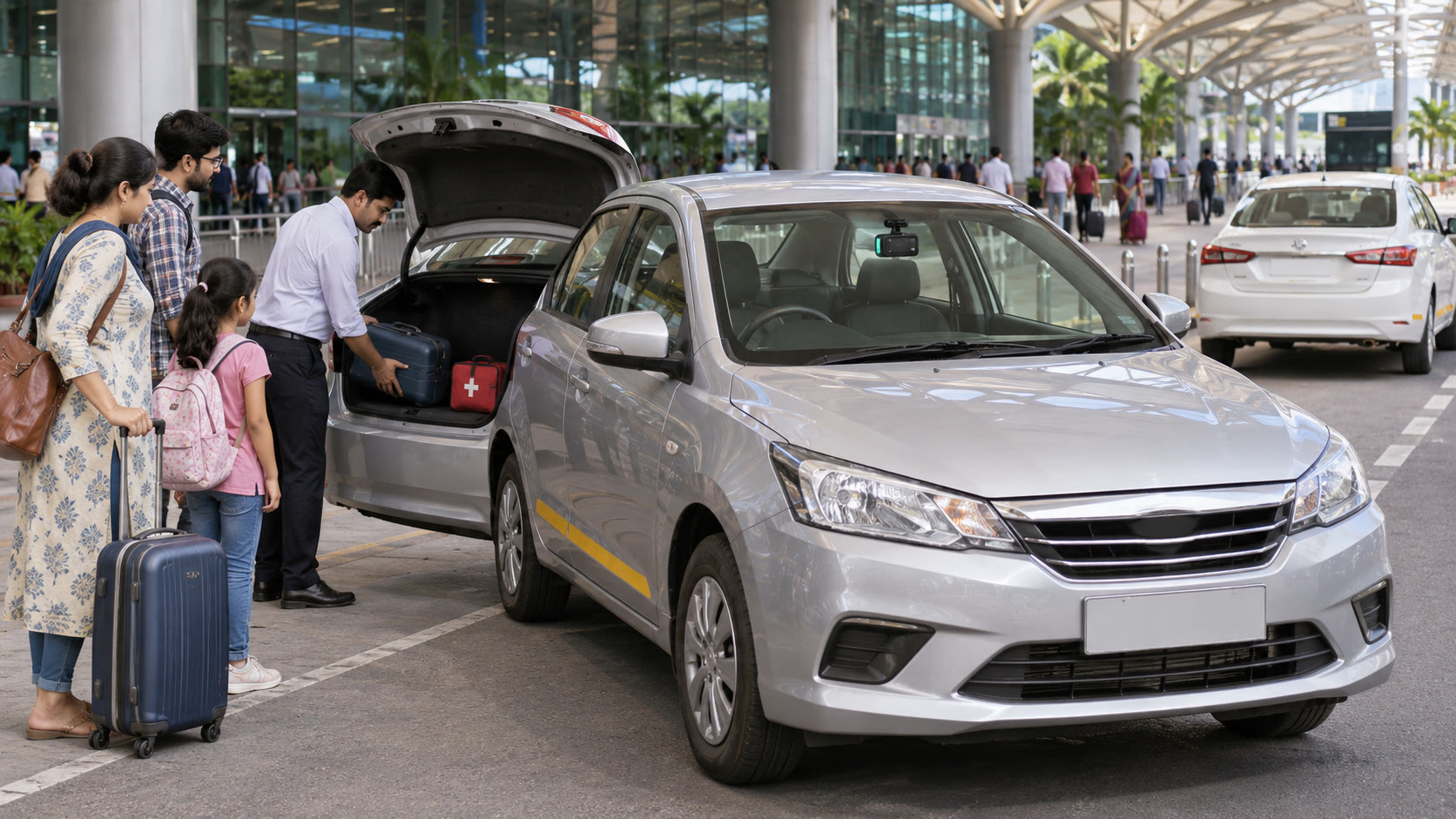
The draft would replace the 1989 Rent-a-Cab framework with a simpler licensing structure for businesses that rent out their own vehicles. The official PIB release says the minimum fleet would fall from 50 to five, with at least two cabs stationed at each place of operation. The proposed locations can include airports, railway and metro stations, bus terminals and other approved public spaces.
The change is aimed at smaller rental firms and local operators that may not be able to maintain a 50-car fleet. It could also make it easier for an existing operator to add a new operating location without building a large fleet for every branch. That is an intended effect of the proposal, not a guarantee that rental prices will fall or that more cars will be available in every city.
One licence and time-bound processing
The draft proposes a single electronic licence valid across a State or Union Territory for a uniform fee. The Economic Times and The Indian Express report that the proposed licence fee would be ₹25,000 and the licence would be valid for five years. These are draft provisions, so the final fee and validity period could change.
Applications for a licence or renewal would have a proposed 60-day processing timeline. Applications to add or remove vehicles or operating locations would be treated as approved after 30 days if the authority does not act, according to the draft details reported by the two outlets. Electronic VAHAN registers and automatic retrieval of vehicle data are intended to reduce paperwork for operators and State transport authorities.
What could change for renters
The most visible shift for a customer would be a wider choice of rental formats. The proposed framework would cover self-drive cars as well as vehicles supplied with a driver by the rental operator. The Indian Express notes that the draft is directed at operators who own the vehicles and does not cover app-based cab aggregators such as Ola or Uber.
Passenger-safety obligations are more detailed than the current headline fleet rule. Rental vehicles would need an active location-tracking device and a first-aid kit. Child-restraint systems are listed as an optional facility, while operators would have to provide a website, a round-the-clock grievance channel, emergency repairs and towing support.
The draft also puts responsibility on an operator supplying a driver to ensure that the driver has a valid licence and police verification. Driver welfare would be linked to the Code on Social Security, 2020. Serious offences involving a cab or an operator-provided driver could affect the operator’s licence validity.
Insurance would be part of the licence check
The proposed licensing check would include comprehensive insurance covering the renter, driver and other occupants up to the cab’s passenger capacity. This is a proposed condition for licensed rental vehicles, not a change to every private-car insurance policy in India. Actual cover, exclusions and claims handling would still depend on the policy and the final rules.
For a rental customer comparing a quote, the practical cost questions remain separate from the draft: whether fuel, tolls, driver charges, taxes, security deposits and insurance are included. A trip’s fuel component can be estimated with the fuel cost calculator, while a longer self-drive itinerary can be checked in the road-trip planner. For a route that uses National Highways, the toll-charge calculator can show the toll component separately from the rental price.
What changes now?
Nothing changes immediately for renters or operators solely because the proposal has been announced. The PIB release describes the framework as proposed, and The Indian Express says the draft is intended to launch in 2027. The Economic Times reports that comments were invited until 5 December 2026 and that the scheme is expected to take effect in January 2027, subject to final notification.
Existing licences under the 1989 scheme are reported to remain valid until their expiry. State and Union Territory transport authorities would handle implementation, so the practical process, local enforcement and availability of rental vehicles may still differ by location after any final scheme is notified.
What to watch next
The key next step is the ministry’s response to stakeholder comments and the final text of the scheme. The parts worth checking are the final fleet threshold, licence fee, vehicle-age limit, insurance wording, tracking obligations and the treatment of operator-provided drivers. The proposal currently places a nine-year age ceiling on eligible vehicles, according to the draft details reported by The Economic Times and The Indian Express.
For drivers, the useful distinction is between a policy announcement and an enforceable rule. A smaller fleet threshold could broaden the market, but the customer benefit will depend on how States implement licensing and whether operators meet the proposed safety, insurance, support and vehicle-condition requirements.
This article is for general information only and is not financial, insurance or legal advice.
Sources
- Proposed Rent a Cab reforms to expand business opportunities and improve passenger services — Press Information Bureau, 12 Nov 2026.
- From 50 cars to 5: How the new Rent-A-Cab scheme could change your cab options — The Indian Express, 14 Nov 2026.
- Road ministry proposes a simplified Rent-a-Cab scheme 2026; to replace the 1989 scheme — The Economic Times, 12 Nov 2026.