The Commission for Air Quality Management (CAQM) has approved a revised Graded Response Action Plan (GRAP) for Delhi-NCR, adding Sonipat to the districts covered by Stage III restrictions on BS-III petrol and BS-IV diesel light motor vehicles. The framework also moves some bus restrictions to an earlier pollution stage and removes a goods-vehicle exemption, so commuters and fleet operators will need to check the active GRAP stage before a trip.
CAQM approved the changes at its 28 Sep 2026 meeting and the Ministry of Environment, Forest and Climate Change announced them on 29 Sep 2026 in an official release on the revised GRAP schedule.
Key takeaways
- Stage III restrictions on BS-III petrol and BS-IV diesel light motor vehicles now include Sonipat, alongside Gurugram, Faridabad, Ghaziabad and Gautam Buddha Nagar.
- Entry restrictions for BS-IV-and-below buses from NCR and adjoining states move from Stage II to Stage I.
- Under the revised framework, certain EV, CNG and BS-VI diesel buses remain the permitted categories when the bus restriction is activated.
- The earlier exemption for BS-IV-and-below goods vehicles carrying essential commodities is removed under Stages III and IV.
- The schedule now has 48 actions across four pollution stages; it is not a blanket ban on every private car.
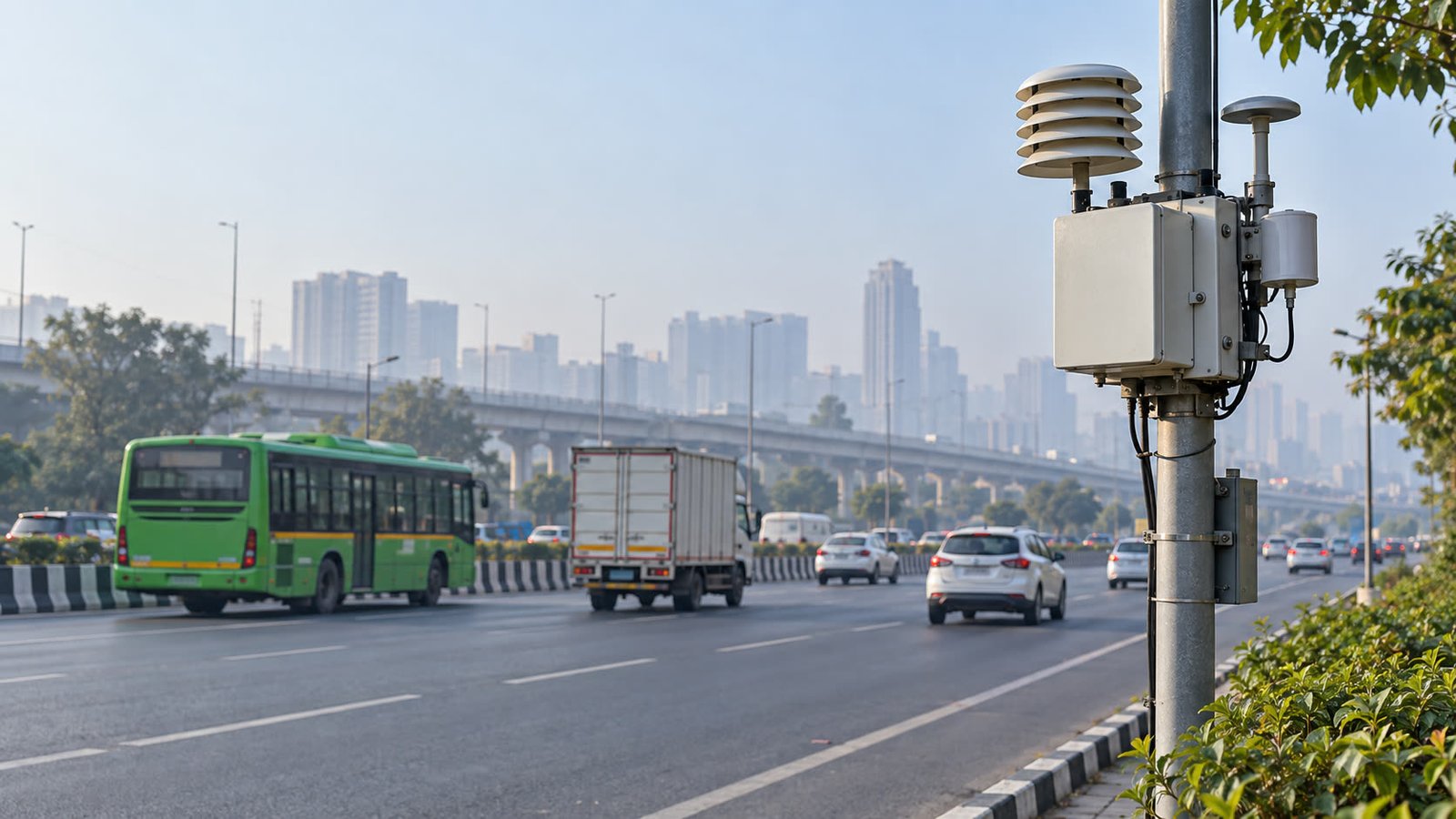
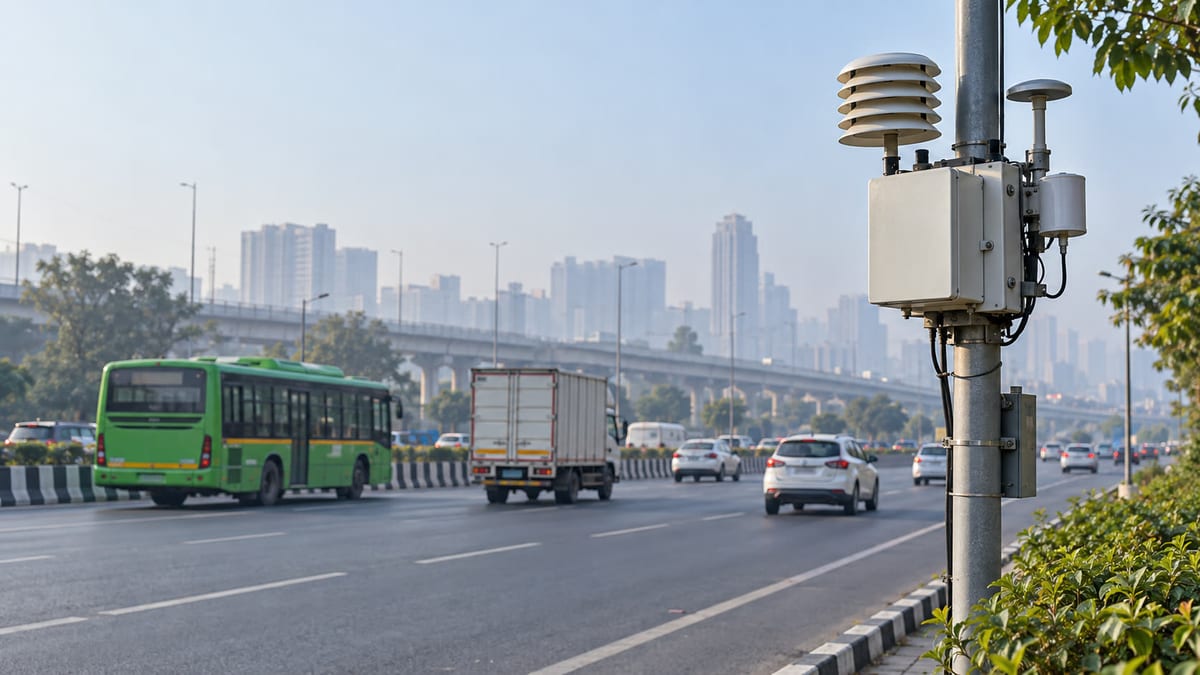 Illustrative image generated for FuelPrice; it represents NCR road traffic and air-quality monitoring, not a photograph of a specific checkpoint.
What the revised GRAP changes
The most visible change for private vehicle users is geographical. When Stage III is invoked, BS-III petrol and BS-IV diesel light motor vehicles face restrictions in Delhi and the high-vehicle-density districts named by the CAQM: Gurugram, Faridabad, Ghaziabad, Gautam Buddha Nagar and now Sonipat. That includes Noida because it is in Gautam Buddha Nagar district. The restriction is tied to the GRAP stage and vehicle standard, not simply to whether a vehicle is old.
For buses, the action covering entry of BS-IV-and-below buses from NCR and adjoining states has moved from Stage II to Stage I. LiveMint’s reading of the revised framework says inter-city and inter-state buses from the specified neighbouring states can enter under that stage when they are electric, CNG or BS-VI diesel. Operators should confirm the applicable notification and route-level enforcement before dispatch because the action is stage-dependent.
The change is also relevant to freight. Under Stage III, outside-Delhi-registered diesel BS-IV-and-below light and medium goods vehicles are specifically covered by entry restrictions. Under Stages III and IV, the earlier exemption for BS-IV-and-below goods vehicles carrying essential commodities has been removed. This means a cargo label alone cannot be treated as a clearance once the relevant stage is active.
When the restrictions apply
The revised schedule retains four air-quality stages. Stage I corresponds to Delhi AQI of 201–300, Stage II to 301–400, Stage III to 401–450 and Stage IV to above 450, according to the framework explained by LiveMint. Actions are cumulative: a measure introduced at Stage I continues when a higher stage is activated unless the schedule says otherwise.
| GRAP stage | Delhi AQI band | Driver-facing point |
|---|---|---|
| Stage I | 201–300 | Stricter PUC enforcement and earlier bus-entry restrictions |
| Stage II | 301–400 | Higher parking charges may be used to discourage private transport |
| Stage III | 401–450 | Restrictions on specified BS-III petrol and BS-IV diesel light vehicles |
| Stage IV | Above 450 | Tighter heavy-goods-vehicle entry rules; additional emergency steps may be considered |
There is no automatic blanket ban on all private cars under the revised schedule. LiveMint also reported that an odd-even arrangement may be considered as an additional Stage IV measure, but its activation would require a separate decision; Stage IV by itself does not automatically create an odd-even rule.
What drivers and fleets can check now
Before travelling into or across the NCR, check the vehicle’s fuel type, Bharat Stage certificate, registration location and the GRAP stage announced for the day. A valid PUC document remains important: Stage I includes stricter enforcement, and visibly polluting vehicles can face action. This revised GRAP framework is separate from Delhi’s petrol-pump enforcement for vehicles without a valid PUC; the earlier no-PUC, no-fuel rollout explains that fuel-station check.
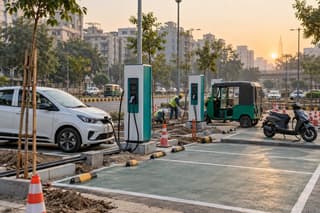
Commuters with a restricted vehicle may need to compare public transport, a permitted vehicle or a different route. The road-trip planner can help compare route distance and time, while the fuel cost calculator can show how a longer detour changes the running-cost estimate. EV owners can also use the state-wise EV charging directory when a permitted electric vehicle is part of the plan.
For bus and goods-vehicle operators, the practical check is broader than a vehicle document. Dispatch teams need to match the vehicle’s emission standard and registration state with the active stage, then confirm whether the route crosses Delhi or a named high-vehicle-density district. The removal of the essential-commodity exemption makes that check important even for time-sensitive freight.
What to watch next
The immediate variable is air quality and the stage invoked by the authorities. CAQM’s revised schedule contains 25 actions in Stage I, eight in Stage II, 10 in Stage III and five in Stage IV, for 48 actions in total. The Ministry’s announcement also shifts some construction-and-demolition dust monitoring beyond municipal limits, which may affect highway-corridor works and traffic management even when a vehicle restriction is not active.
For readers, the key point is simple: the revision changes the trigger map, not the legality of every vehicle on every day. A BS-III petrol or BS-IV diesel light vehicle is not automatically barred across the whole NCR under the revised schedule, but its district and the active GRAP stage can change the answer. Checking those details before departure is more reliable than treating a headline about a “car ban” as a permanent rule.
Sources
- Press Information Bureau — CAQM Approves Revised GRAP Schedule; Tightens Measures for Vehicles, Dust and Pollution Control — 29 Sep, 2026
- LiveMint — New GRAP Rules in Delhi; restrictions in NCR October 2026: Is your car allowed? Check eligibility here from govt PDF — 3 Oct, 2026
- News On AIR — CAQM approves revised GRAP schedule for National Capital Region — 29 Sep, 2026