Royal Enfield has signed a non-binding MoU with the Tamil Nadu government to invest ₹1,000 crore over seven years in electric-vehicle product development, technology and manufacturing. For Indian two-wheeler buyers, the announcement points to a wider Royal Enfield EV pipeline, but it does not yet confirm a new model, price, range or delivery date.
The commitment was disclosed by Eicher Motors on 25 Nov 2026. The company said the proposed investment could create direct and indirect employment opportunities for up to 500 people, while the exact spending plan will depend on future product and manufacturing decisions.
Key takeaways
- The agreement is a non-binding MoU, so it records an investment intent rather than a completed plant or guaranteed spending schedule.
- The ₹1,000-crore plan covers EV product development, technology enhancement and manufacturing as required.
- The company has not announced a new Royal Enfield electric motorcycle, its price, range, production capacity or launch date under this MoU.
- Royal Enfield already has an EV innovation lab and manufacturing setup at Vallam Vadagal in Tamil Nadu through its Flying Flea electric-mobility brand.
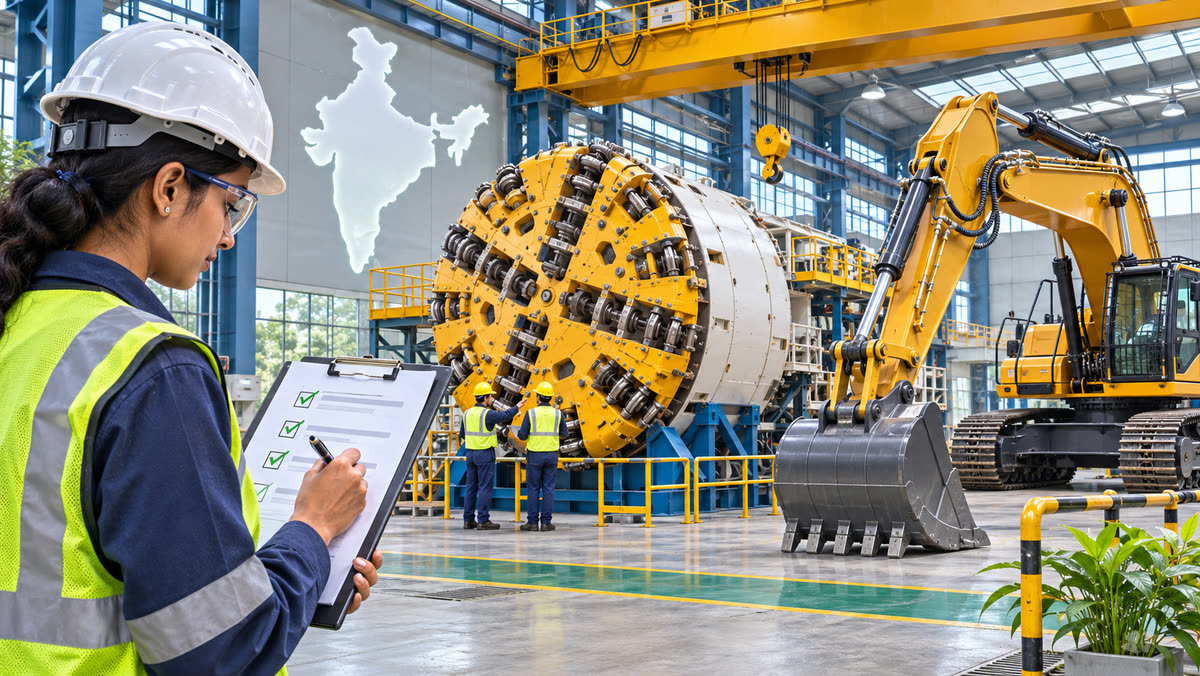
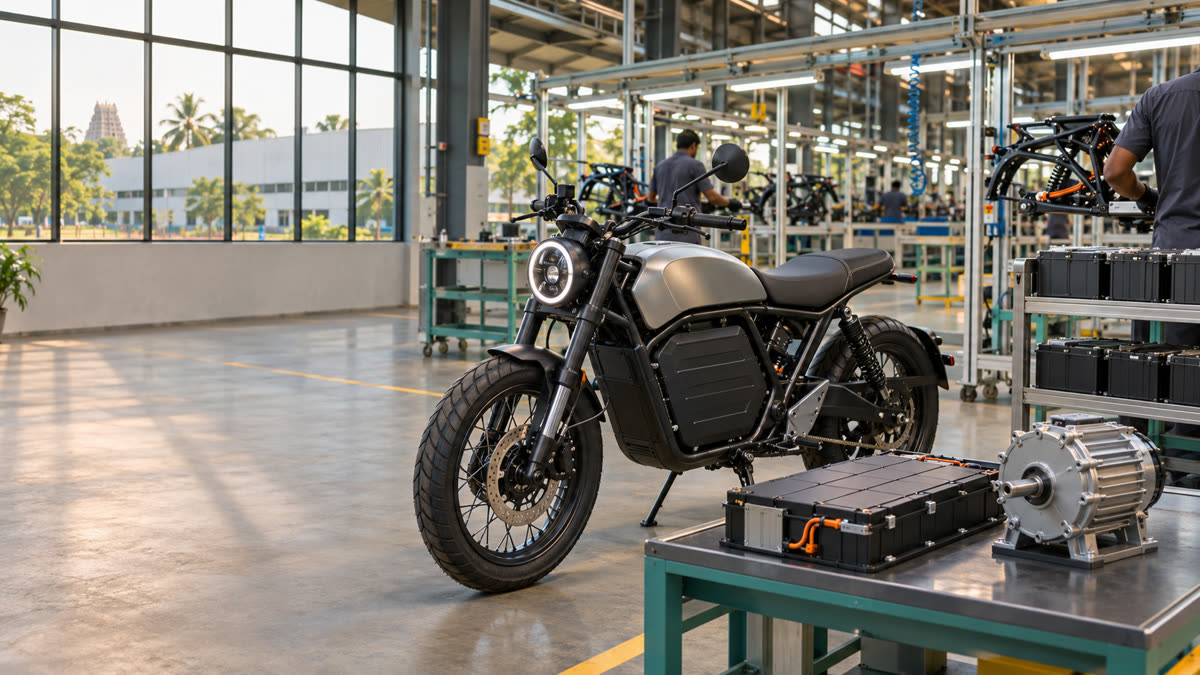
Illustrative image: an EV motorcycle manufacturing scene; this is not a Royal Enfield product photograph.
What Royal Enfield announced
Eicher Motors said in its 25 Nov 2026 press release that Royal Enfield had signed the MoU with Tamil Nadu to accelerate its electric-vehicle roadmap. The release does not assign the ₹1,000 crore to one named model or disclose a year-by-year capital schedule. It says the money will primarily support EV product development, technological enhancement and manufacturing, as required.
That wording matters for buyers. A non-binding agreement can support future engineering, tooling, supplier development and factory work, but it is not the same as a retail launch announcement. There is no confirmed ex-showroom price, battery size, claimed range, booking window or delivery timetable attached to this announcement.
As a simple scale check, ₹1,000 crore spread evenly over seven years would work out to about ₹142.9 crore a year. That is only an arithmetic illustration, not a company spending forecast; actual investment could be staged around approvals, product milestones and demand.
What it means for prospective EV buyers
For a rider considering an electric motorcycle today, the immediate choice set is unchanged. The announcement does not alter the price or availability of existing petrol motorcycles, and it does not establish when a future Royal Enfield EV will reach dealerships. The company's Flying Flea C6 is already described by Eicher Motors as its first electric product, with launches in India, Europe and the UK, but the new MoU does not confirm a second model or a revised C6 specification.
The practical buyer question is therefore timing rather than a promised saving. A future product would need a published price, warranty, service coverage, battery-replacement terms, charging compatibility and real-world range before its ownership cost could be compared with a petrol motorcycle. Until those details are released, the ₹1,000-crore figure should be read as a signal of development capacity, not as proof that a specific bike is imminent.
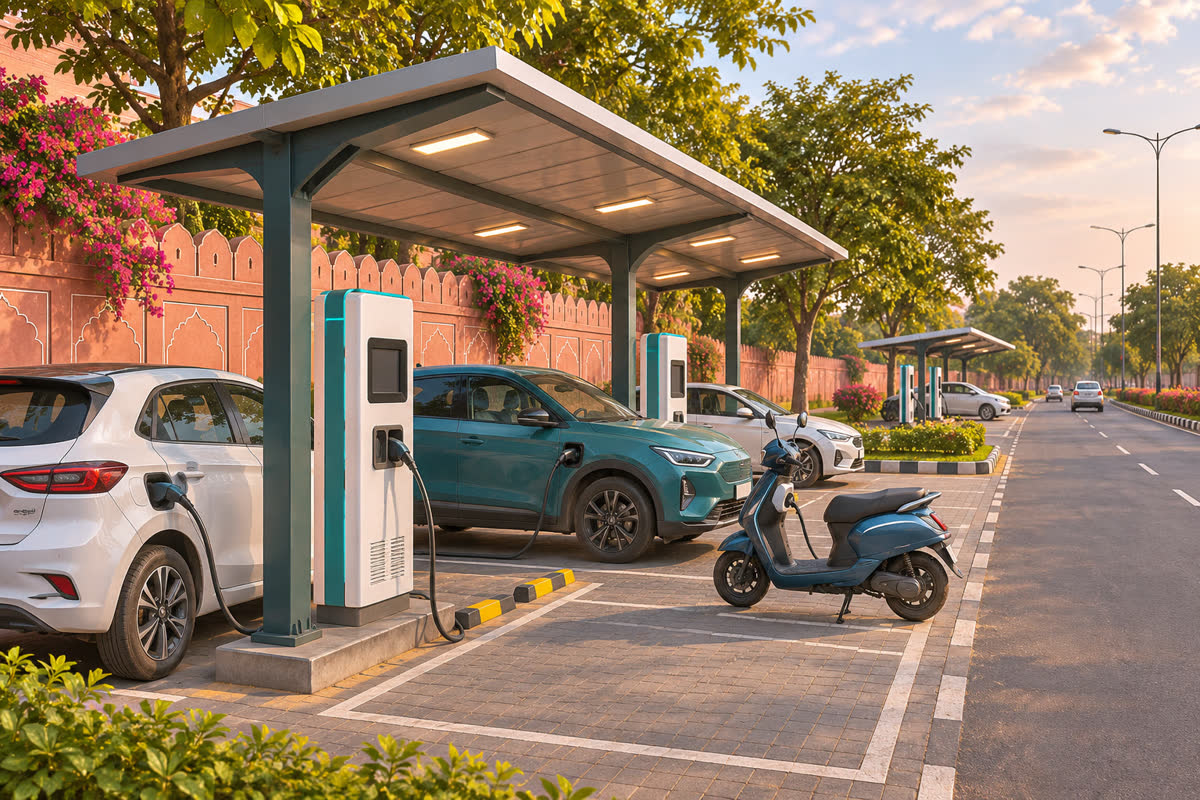
Readers comparing a petrol motorcycle with an electric alternative can use the fuel cost calculator to estimate the petrol baseline for a known commute or trip. When a model and charging plan are confirmed, the EV station directory can help check charging availability by state.
Why Tamil Nadu is central to the plan
Tamil Nadu is already the base for Royal Enfield's engineering and manufacturing operations. The company said the state has four manufacturing facilities, its head office and a technical centre. The Flying Flea brand's EV innovation lab and manufacturing setup are also in Vallam Vadagal, which gives the new MoU an existing industrial base rather than a completely new starting point.
The announcement follows a separate February 2026 commitment of ₹958 crore for brownfield capacity expansion at the Cheyyar facility. Eicher Motors said that project is intended to take Royal Enfield's total annual motorcycle production capacity to 2 million units. The two amounts should not be combined as a single confirmed EV outlay: the new ₹1,000-crore MoU is described as EV ecosystem expansion, while the earlier commitment concerns broader manufacturing capacity.
The New Indian Express reported the latest agreement as part of Tamil Nadu's wider investment conclave and described it as a first electric-motorcycle plant project near Chennai. That is reported context from the state investment event; the company's own filing does not specify a plant-level capacity, model count or production start date.
What to watch next
- A binding project agreement, approvals or a published capital schedule from Eicher Motors or Tamil Nadu.
- A named electric motorcycle, with its battery, range, charging, warranty and price details.
- Evidence of manufacturing scale-up, supplier contracts, hiring or service-network preparation at the EV facilities.
- Independent information on real-world running costs and charging access before comparing an EV with a petrol motorcycle.
For now, the MoU is a meaningful industrial signal but not a retail promise. Riders can track the next product and pricing announcements, while treating any unofficial model, range or launch claims as unconfirmed until Royal Enfield publishes them.
Sources
- Eicher Motors: “Royal Enfield signs Rs. 1,000 crore MoU with Tamil Nadu government for EV ecosystem expansion” — 25 Nov 2026.
- Moneycontrol: “Royal Enfield to invest Rs 1,000 crore in Tamil Nadu to expand EV operations” — 25 Nov 2026.
- The New Indian Express: “TN inks Rs 58,214 crore new investment deals” — 26 Nov 2026.